In brief
Four years after unexplained explosions knocked out three of the four Nord Stream gas pipelines, German prosecutors have put a Ukrainian military officer on trial in Hamburg. Serhii Kuznetsov – known in court as Serhii K – was extradited from Italy and is accused of coordinating a team of divers and explosives experts to damage subsea turbines, cutting a key revenue stream for Russia. German authorities charge the act as a war crime and an internal‑security offence, while Ukrainian officials continue to deny any state-sponsored role. The case has highlighted differing views in Kyiv and Berlin, underscoring the political weight of prosecuting attacks that intersect energy security, law and international relations.
Four years after the explosive sabotage that disabled three of the four Nord Stream gas pipelines, German prosecutors have laid war‑crime charges against a Ukrainian military officer in Hamburg.
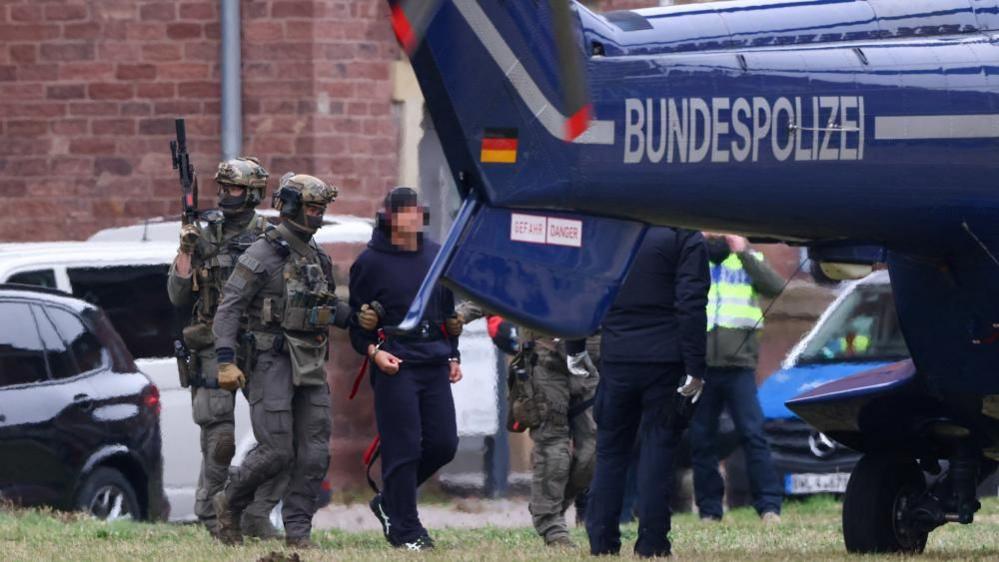
The accused, Serhii Kuznetsov—known in court as Serhii K—was extradited from Italy in late 2025 and faces claims that he coordinated a covert team of divers, a yacht captain and an explosives expert to detonate submarine charges under the Baltic Sea in September 2022, effectively cutting Russia’s main source of gas revenue.
Berlin’s narrative frames the incident as an act of sabotage by Ukrainian forces on order of Russian warfare objectives, while Kyiv’s officials have consistently maintained that Ukraine had no part in the blasts and that the allegations are politically motivated.
German courts have applied the country’s war‑crime statutes, arguing that an attack on a civilian energy infrastructure constitutes an international law violation. The federal court of justice upheld the jurisdiction of German prosecutors, emphasizing the internal‑security implications of the case.
The trial also coincides with divergent legal outcomes in other states: a Polish court released a Ukrainian suspect found not to have acted unlawfully, claiming the operation was 'justified' within the context of the war, while Croatian authorities have approved extradition of another alleged participant.
Despite tensions this case is seen by some as a test of diplomatic resilience between Kyiv and Berlin, with Ukrainian parliamentarians arguing that the outcome will not jeopardise German support for Ukraine. German policymakers, meanwhile, stress the need to depoliticise the proceedings and let the judiciary decide on the matter.