In brief
In a two‑day series of talks in Oslo and St. Petersburg, diplomats described meetings as constructive but ultimately yielded no substantive agreements toward ending the conflict in Ukraine. Russian adviser Yuri Ushakov criticised the content of the discussions as largely “useless” and warned that the Kremlin is not under pressure to conclude a cease‑fire. While Russia hinted at “technical” talks in Abu Dhabi next month, it remains reluctant to host a full‑scale summit unless it takes place in Moscow. At the same time, U.S. President Donald Trump’s suspension of certain sanctions on Moscow and a deal to buy Russian diesel may have eased pressure on the Kremlin, prompting speculation that a new “Yalta‑style” meeting in China could bring together the three leaders—though concrete outcomes remain uncertain. The events underscore the complex interplay of diplomatic initiatives, geopolitical interests, and leadership positions surrounding the war.
After two days of talks in Oslo and St. Petersburg, observers wonder whether the ongoing conflict in Ukraine is closer to resolution.
Norwegian Prime Minister Jonas Gahr Støre described the summit between President Volodymyr Zelenskiy, U.S. special envoy Steve Witkoff and European officials as “good and constructive”, yet no concrete plans emerged for a joint U.S.–Russia–Ukraine summit.
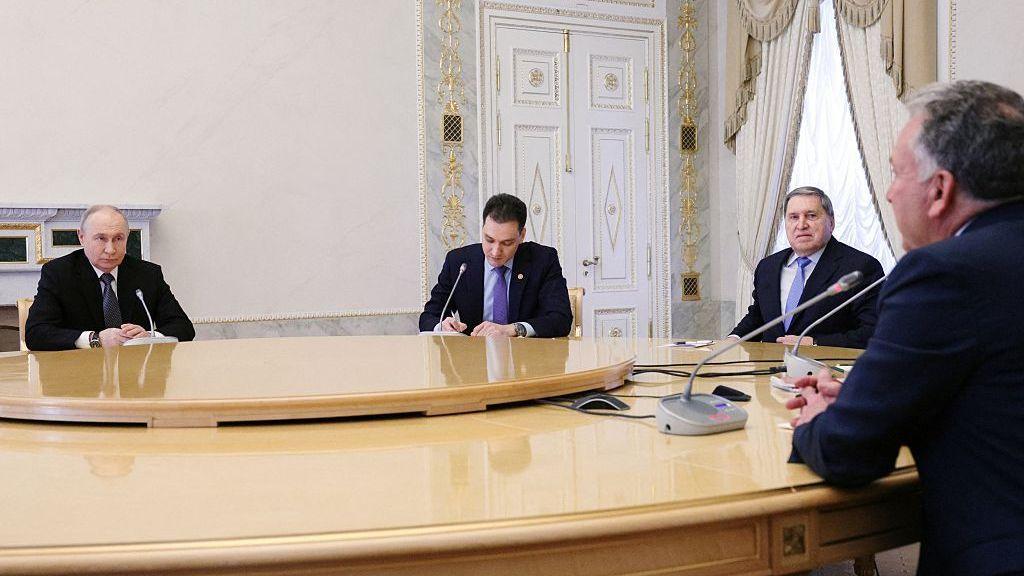
According to Yuri Ushakov, a foreign‑policy adviser to Russian President Vladimir Putin, the discussions appeared “little useful” and offered little to shape a peace deal. Ushakov added that “the Kremlin is not under pressure to end the war at the moment”.
Russia, on the other hand, reiterated that it is open to “technical” talks next month in Abu Dhabi but has shown little desire to meet Zelenskiy unless it is on Moscow’s terms.
Meanwhile, U.S. President Donald Trump has paused some sanctions on Moscow, arranged a deal to buy Russian diesel and openly criticised Zelenskiy—actions that many in Moscow view as relieving pressure on the Kremlin.
Observers suggest a new “Yalta‑style” meeting in China could bring together Putin, Trump and Chinese President Xi Jinping, but whether this will translate into tangible progress in Ukraine remains unclear.
The situation illustrates how diplomatic initiatives can be shaped by geopolitical interests, domestic pressures and the stance of key leaders on all sides of the conflict.