Germany's Military Transformation: A Response to Russia's Threat
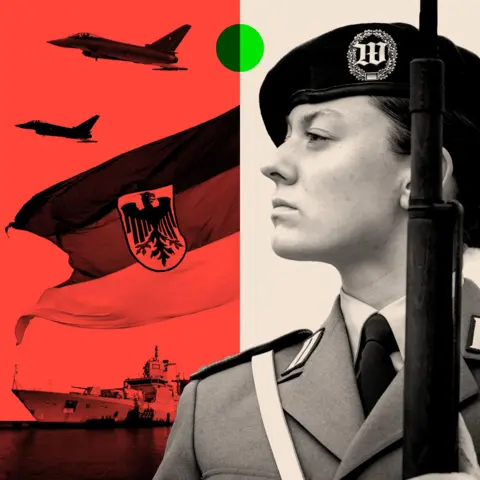
In light of Russia's escalating military ambitions, Germany is dramatically restructuring its armed forces, aiming to become Europe's most powerful military presence by 2029. General Carsten Breuer leads this urgent transformation amid a historic reassessment of Germany's defense role.
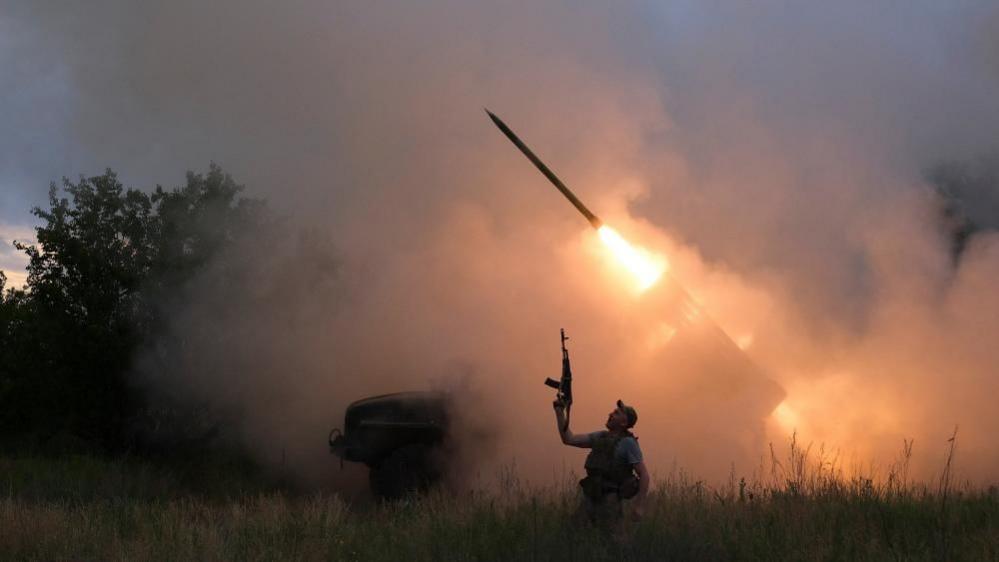
General Carsten Breuer is a man in a hurry. As head of Germany's armed forces, he is tasked with rapidly expanding the country's military strength in response to Russia's ongoing efforts to bolster its military capabilities. Breuer warns that by 2029, Russia could pose a significant threat, capable of launching aggressive actions against NATO territories.
With historical context in mind, Germany is now set to increase its defense budget significantly, spending €162 billion in 2029, a marked rise from previous years. The country is transitioning from a punitive demilitarized posture following its tumultuous history in the 20th century to a proactive military stance that aims to establish Germany as a central power in European defense.
There is widespread public support for this military expansion in Germany, a notable shift from past apprehensions. Opinion polls reveal that the majority of Germans recognize the need for a robust military force to ensure national and regional security in a changed geopolitical landscape marked by Russian aggression.
In strategic terms, Breuer's military expansion involves increasing troop numbers, enhancing training programs, and modernizing army equipment. Germany is set to recruit thousands of new service personnel as part of an ambitious plan to prepare for potential conflicts. The goal is a professional military structure that also includes a reserve force of up to 200,000 personnel.
This major defense overhaul not only demonstrates Germany's desire to safeguard its own national interests but reflects a broader cultural shift within the country. Long seen as a nation committed to pacifism and atonement for its past, Germany is revisiting its military identity and operational independence. The transformation is not just logistical but also deeply tied to public perceptions and the need for accountability in European security.
General Breuer's approach to leadership reflects his recognition of history's weight on his decisions. By fostering a collaborative relationship with NATO and emphasizing Germany's commitment as a responsible ally rather than a dominant force, he is working to reshape Germany's role in both domestic and international contexts in this new era of defense.