In brief
Greek officials state that the recent deaths of migrants in a boat collision with the coastguard were due to smuggler negligence. This narrative has drawn skepticism, recalling past incidents where official statements were later disputed. Survivors from previous tragedies pointed to coastguard actions as contributing to the disasters, prompting concerns about accountability and the treatment of migrants in Greek waters.
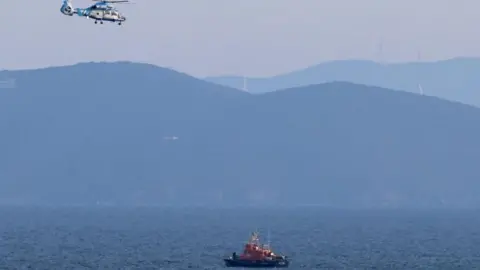
The death of 15 Afghan and Moroccan migrants after a speedboat carrying them collided with a Greek coastguard vessel has been presented by Greek authorities as an open and shut case.
A statement issued late on Tuesday blamed smugglers for failing to comply with the [Hellenic] Coast Guard's visual and audible signals to turn their boat around. It conveyed that the migrant boat was making dangerous maneuvers before veering into a patrol vessel, off the Chios Strait. This narrative was designed to imply that this led to their fatalities and the injuries of 24 others trying to reach Europe.
However, caution is advised regarding such instant and unequivocal explanations. Historical accounts suggest that narratives crafted by authorities may not always reflect the complex realities of each incident.
In the summer of 2023, more than 650 migrants were feared to have drowned in a different tragedy. The official narrative at that time, suggesting the event was caused by criminal gangs cramming too many people into an unseaworthy fishing boat, became questionable when survivors later insisted that coastguards had inadvertently caused a capsizing through mishandling during a towing attempt.
Fast forward to today's incident, criticism mounts against the coastguard's portrayal. Many in the Greek media are amplifying the version of events that positions the migrant vessel as a rogue, careening into the coastguard boat, yet there has been no survivor testimony thus far to support or counter that account.
Furthermore, the absence of independent evidence raises red flags. It is unclear if the coastguard had recorded interactions with the migrant boat, which could have provided clarity. Past reports suggest that during the Adriana disaster, crucial recording technology on a coastguard ship was deactivated, complicating accountability.
The tragedy has reignited discussions about Greece's broader approach to immigration. Despite reductions in migrant arrivals, the tough stance adopted by the conservative government under Prime Minister Kyriakos Mitsotakis—aimed partly at bolstering public support—has been criticized by human rights organizations citing illegal practices and dangerous conditions at sea.
In the wake of the recent incident, opposition politicians have condemned the actions of the coastguard, indicating that the latest tragedy exemplifies a perilous immigration enforcement policy. Immigration Minister Thanos Plevris, however, staunchly defends the coastguard's actions, rejecting criticisms from human rights advocates.
The complexities surrounding this tragedy demonstrate the ongoing tensions between enforcing immigration control and ensuring humane treatment of migrants. As investigations unfold, the true nature of this incident remains uncertain, reflecting a troubling pattern in Greece’s handling of migrant issues.