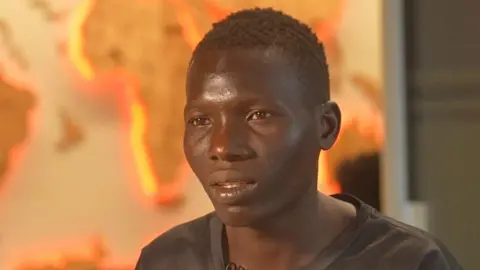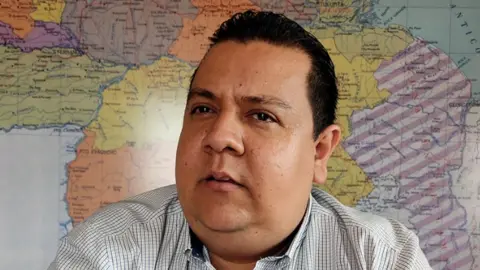
Prominent Venezuelan rights activist Javier Tarazona has been freed, in the latest prisoner release announced by the government amid US pressure for reforms.
Tarazona, the head of human rights NGO Fundaredes, was arrested in 2021 and detained in the notorious El Helicoide prison in the capital Caracas. His release was announced on Sunday by Fundaredes.
Foro Penal, another Venezuelan rights group, said it had verified the liberation of more than 300 political prisoners since 8 January.
On Friday, acting President Delcy Rodríguez stated that the government would introduce an amnesty law expected to benefit hundreds of political prisoners. Under the bill, El Helicoide is also due to be closed.
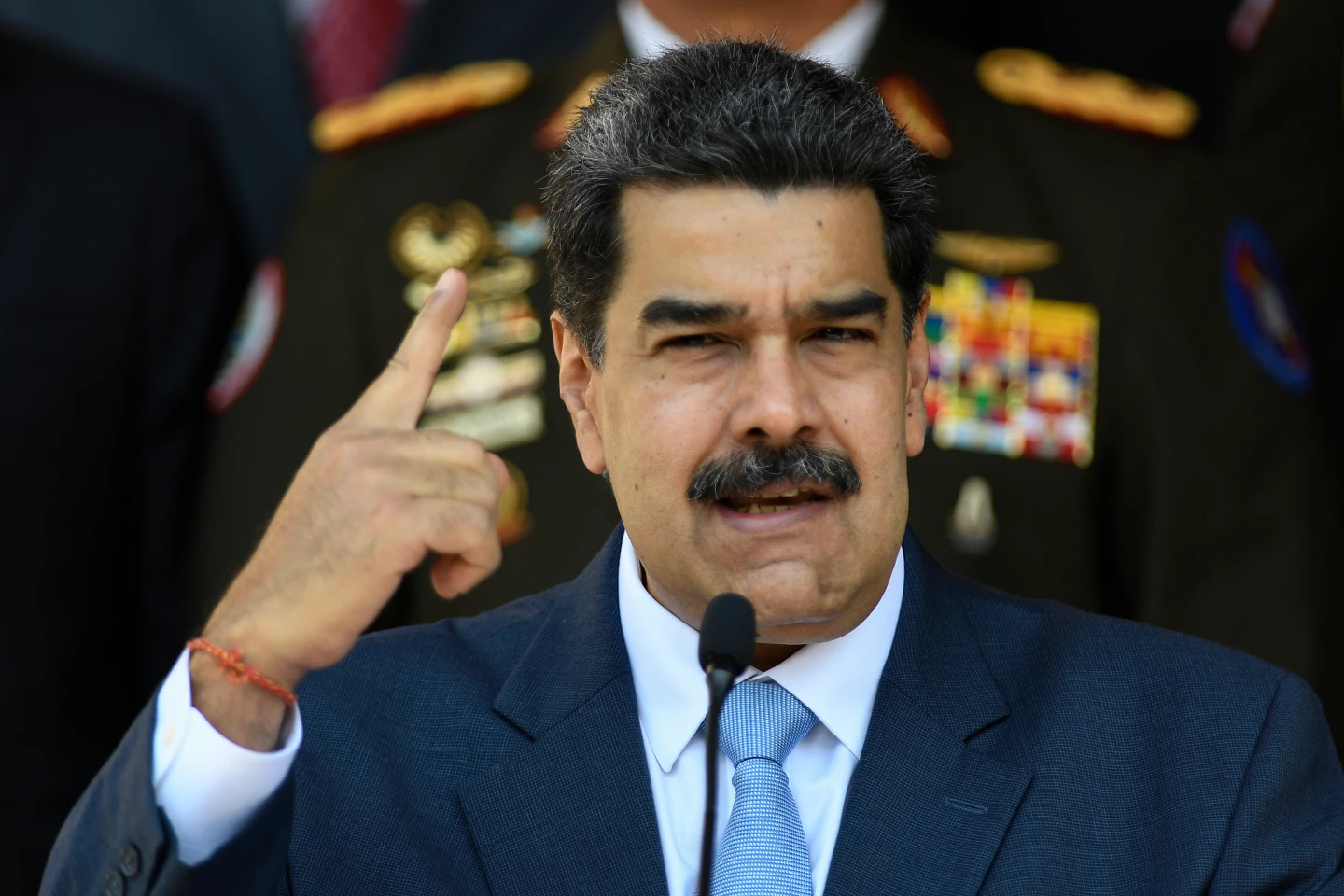
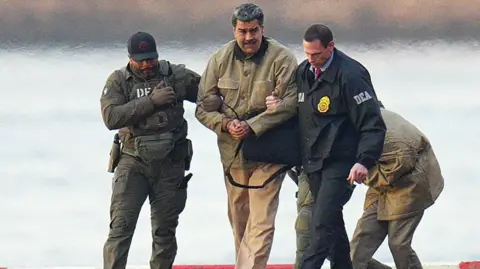
The announcement came four weeks after US forces seized President Nicolás Maduro and demanded that the regime introduce political and economic reforms.
In its statement on Sunday, Fundaredes said Tarazona had been jailed for defending human rights, denouncing abuses, and speaking out. It added that his release did not erase the injustice he suffered, but represented a necessary step in a process marked by criminalisation, persecution, and a lack of due process.
Tarazona had alleged that government officials had links with guerrillas in Colombia, with which Venezuela has a 2,000km (1,200-mile) border. The government accused him of treason, terrorism, and incitement to hatred.
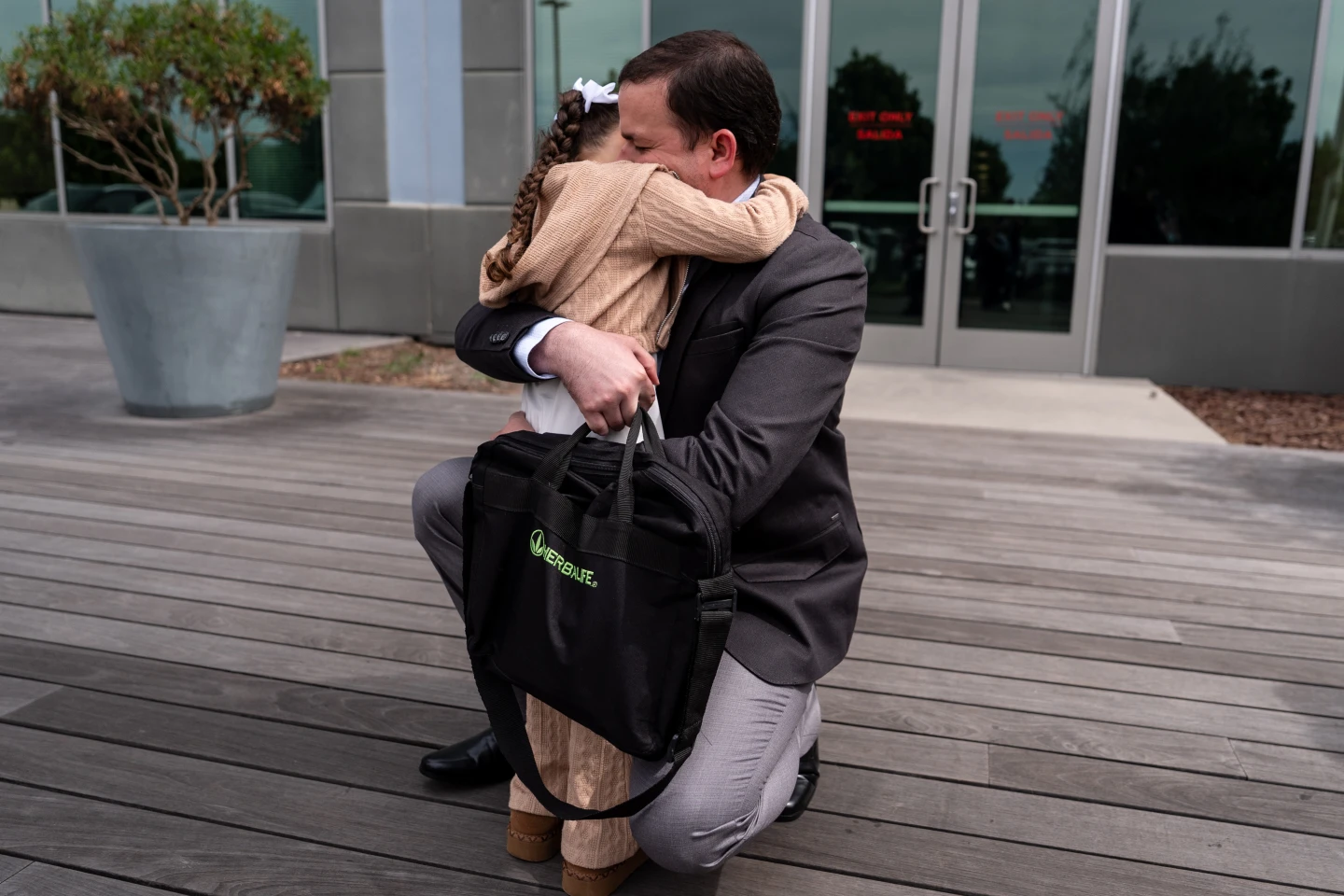
Maduro's dramatic capture by US special forces on 3 January has encouraged families of opposition and human rights figures arrested under Maduro and his predecessor Hugo Chávez to step up their campaign for releases.
Venezuela has long denied holding political prisoners, but families and rights advocates have demanded charges against detainees be dropped. Opposition politicians, journalists, and activists have faced charges including terrorism and treason, which their families describe as arbitrary.
The amnesty bill announced by Rodríguez is expected to be approved by the National Assembly in the coming days. Its aim, the acting president said, is to heal the wounds of political confrontation, violence, and extremism.
Foro Penal has said that many of those freed in recent weeks have not had the charges against them dropped. This has left them in legal limbo, and they have been barred from speaking in public, the group added.