In brief
Decades of sea‑ice monitoring reveal that the once‑ice‑bound East Greenland coast is now a bustling feeding ground for huge baleen whales. From only a few sightings in 2006 to over 150 humpback encounters in 2024, researchers documented the arrival of 4,000 humpbacks, 6,000 fin and 6,000 minke whales. These whales are consuming roughly 800,000 tonnes of fish and krill, driven by rising sea temperatures and shifting prey. While some species thrive, others such as narwhals and belugas are losing habitat, creating new conservation challenges. The findings, published in Frontiers in Marine Science, urge continued monitoring and a balanced approach to possible impacts on local economies and ecosystems.
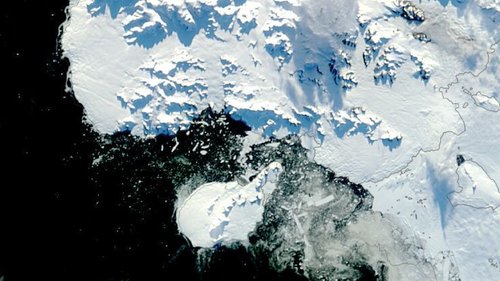
Sea ice has been disappearing from East Greenland, allowing giant whales to take advantage and move into previously inaccessible areas.
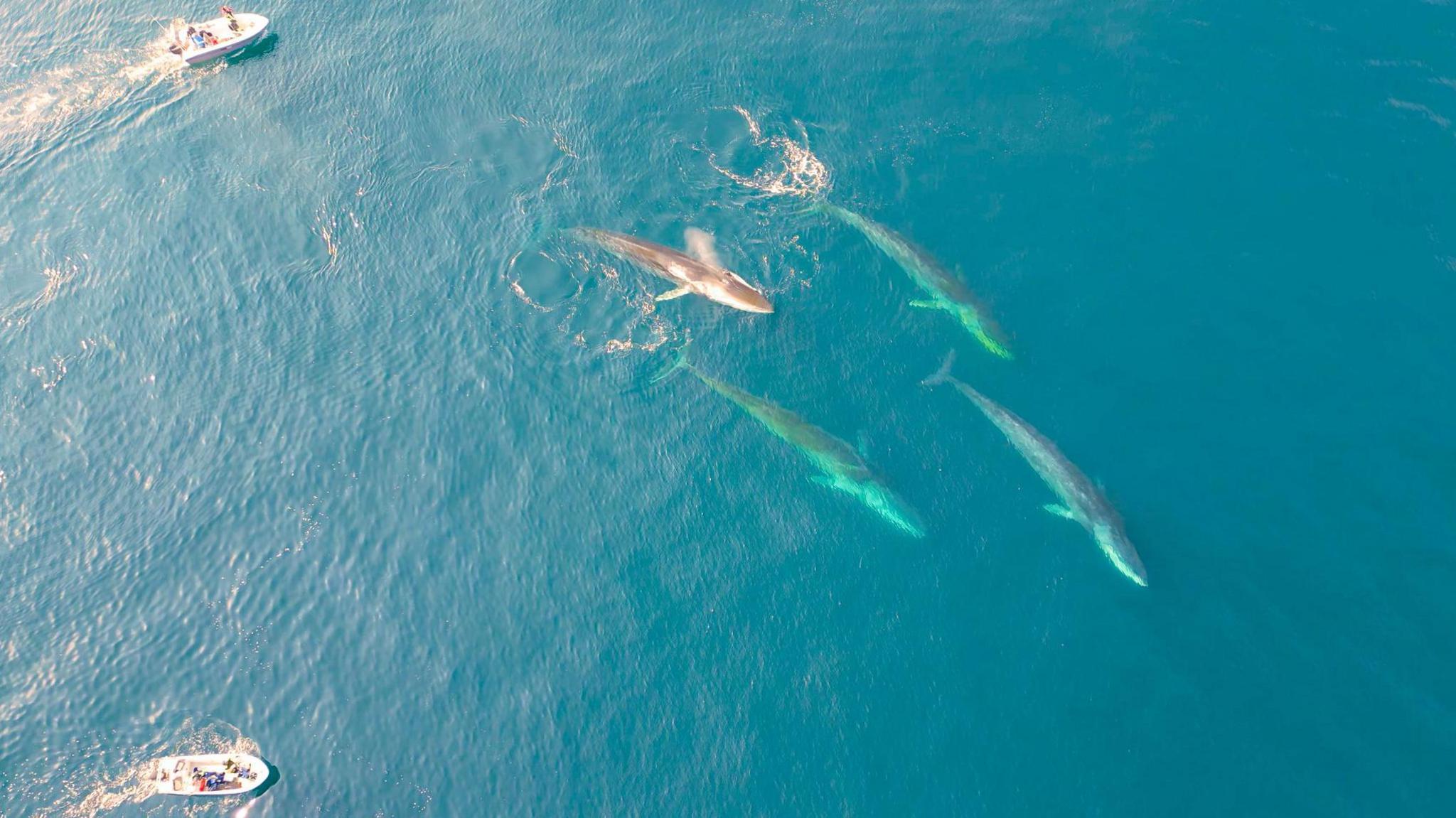
A long‑term program of ship‑based surveys and aerial records shows that humpback, fin and minke whales, which historically could not enter these waters, are now thriving on the open sea. The shift is a clear manifestation of climate change: warmer waters, altered currents and the migration of fish prey into the region have created a new, productive feeding zone.
In 2006 no humpback whales were seen off East Greenland, but by 2024 150 ship‑based sightings were recorded. Aerial surveys in 2015 and 2024 combined with satellite tracking of 15 individuals reinforced the pattern that these mammals are moving in large numbers.
Scientists estimate that during the 2024 summer season, roughly 4,000 humpbacks, 6,000 fin whales and 6,000 minke whales visited the Greenland Sea, consuming an estimated 800,000 tonnes of fish and krill. That significant feeding frenzy is reshaping the local food web.
While some species gain new opportunities, other Arctic inhabitants—such as narwhals and belugas—are facing competition and habitat loss. The research team stresses that the regime shift is a double‑edged sword: it benefits some marine mammals but harms others equally important to the region’s biodiversity and cultural heritage.
The study also highlights open questions about whether these changes reflect larger population growth or simply a redistribution from other parts of the Arctic. The influx of whales from West Greenland touches on sensitive issues surrounding whaling policies in the territory.
Drafted by Prof Mads Peter Heide‑Jørgensen and his team at the Greenland Institute of Natural Resources, the paper was published in the journal Frontiers in Marine Science, calling for broader monitoring and a balanced approach to conservation and local livelihoods.