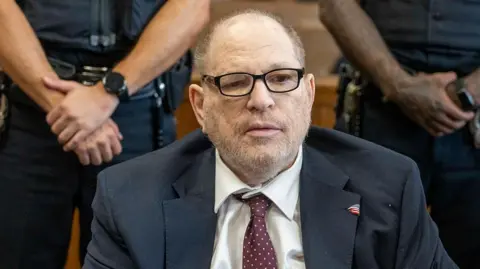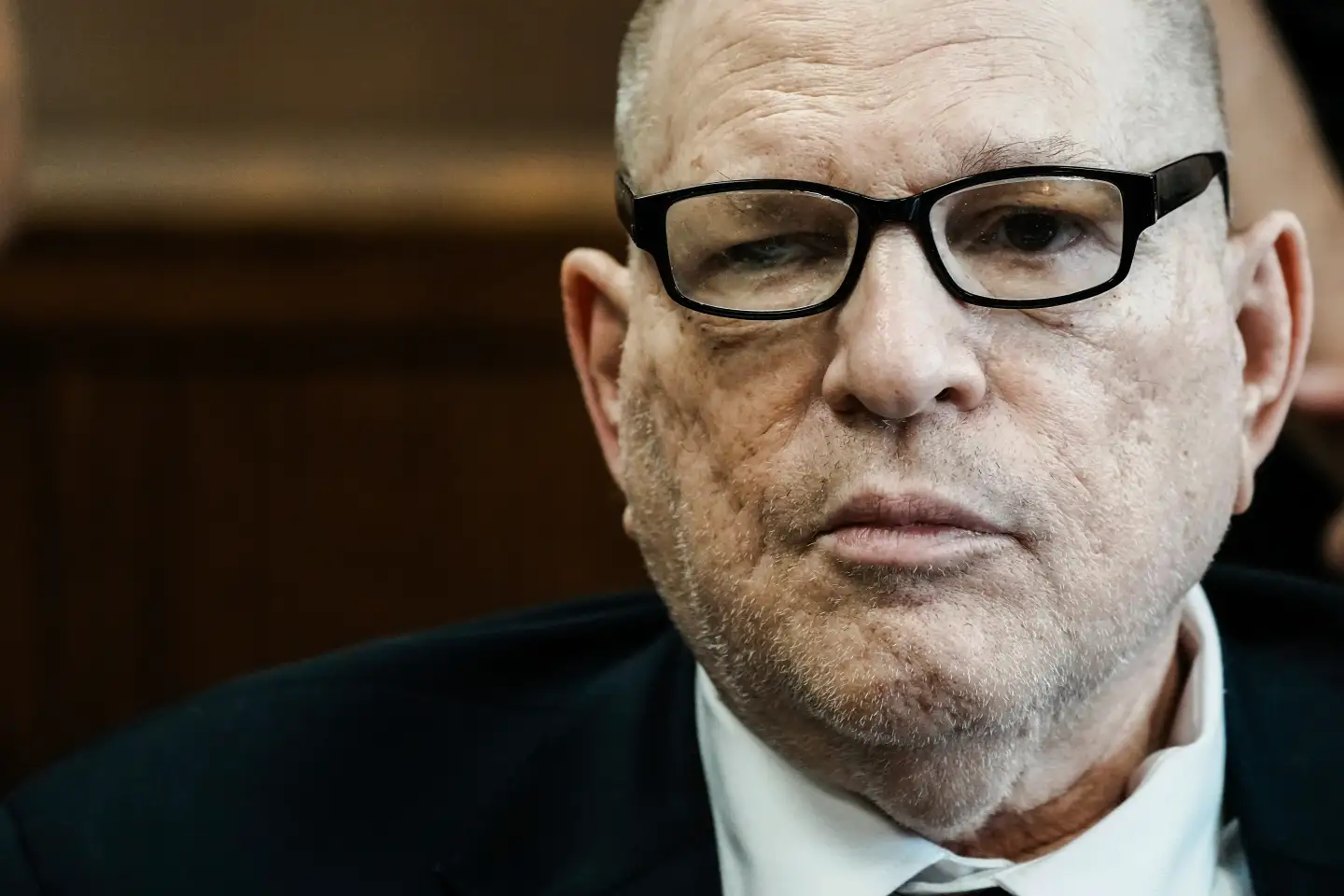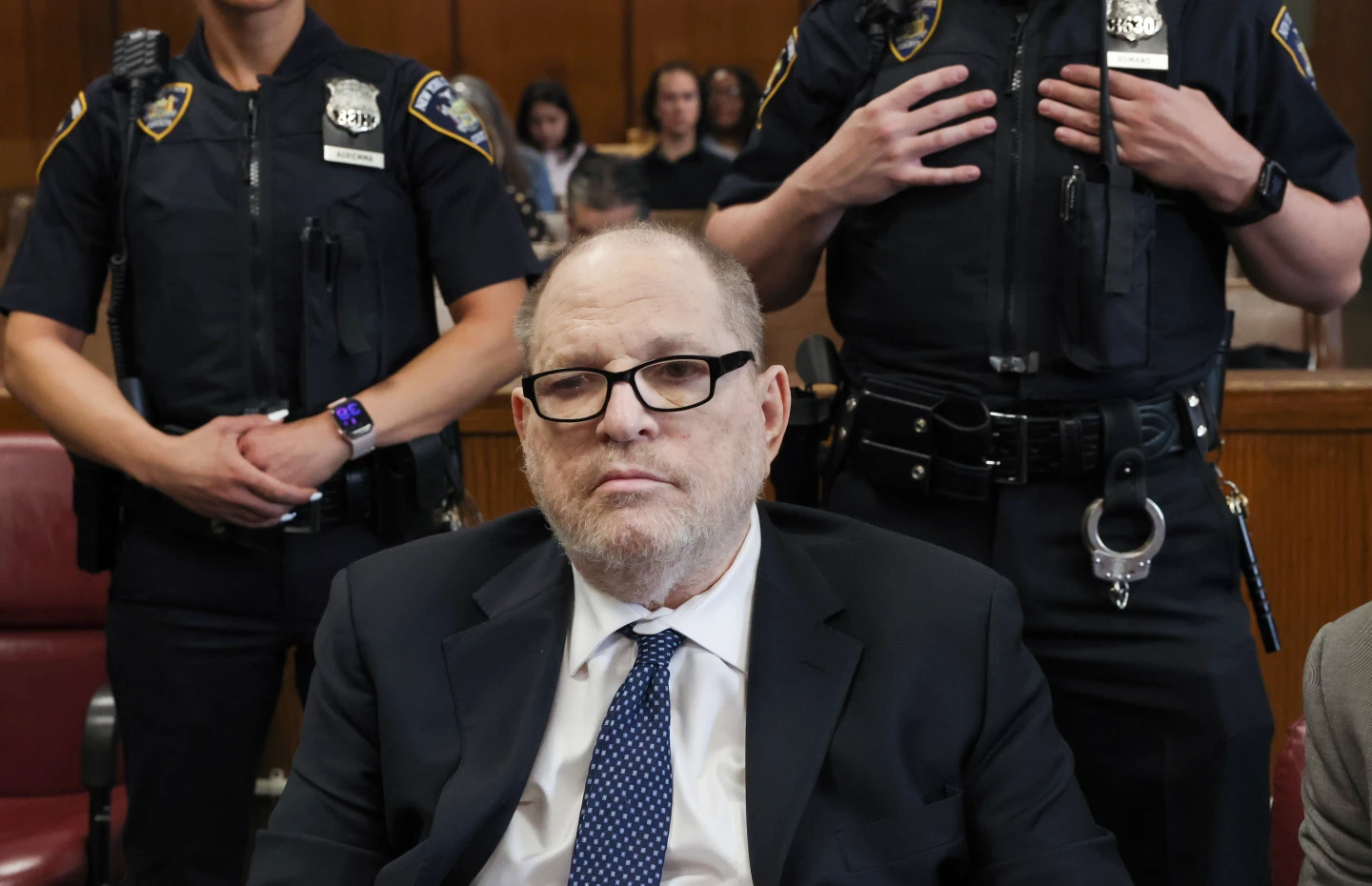
NEW YORK (AP) — Jurors deadlocked on Friday in Harvey Weinstein’s rape retrial, leading to another mistrial in a #MeToo-era case that has seen multiple trials.
The former Hollywood mogul, already convicted of other sex crimes, remains in prison, while the New York rape charge lingers uncertainly. Prosecutors are weighing the option of a fourth trial after indications surfaced that nine out of twelve jurors were inclined toward acquittal.
Weinstein, 74, exhibited little reaction while leaving the courthouse, but his attorney expressed satisfaction at the outcome. This may not be the win he wanted, but it is a win nonetheless, and we will continue to fight, attorney Marc Agnifilo stated.
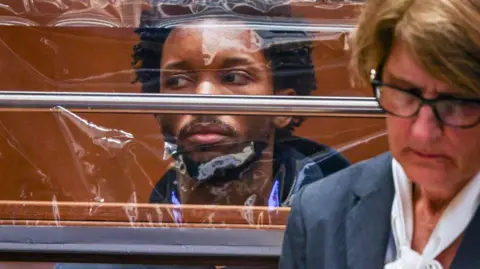
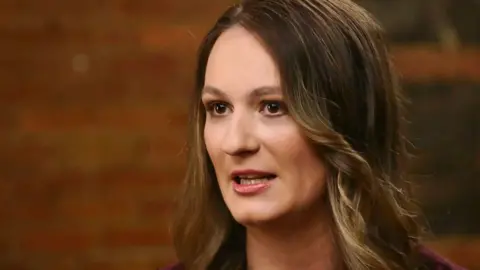
The jury, predominantly male, deliberated whether Weinstein had raped Jessica Mann, a hairstylist and aspiring actress, in a hotel room in 2013. Weinstein’s defense claimed the encounter was consensual amidst their tumultuous relationship.
Key Factors Influencing Jurors
During deliberations that spanned two days, jurors expressed confusion regarding Mann's recollections. One juror, Josh Hadar, noted that there appeared to be significant inconsistencies in her testimony, which created reasonable doubt about the accusations against Weinstein.
Another juror, Sarae Perez, who is knowledgeable about feminist issues and the #MeToo movement, also struggled to reconcile Mann's narrative, stating, At times, we could not fully trust her account." These reflections signal the jurors' challenges in navigating the sensitive implications of sexual assault cases.
Mann’s Reaction to Mistrial
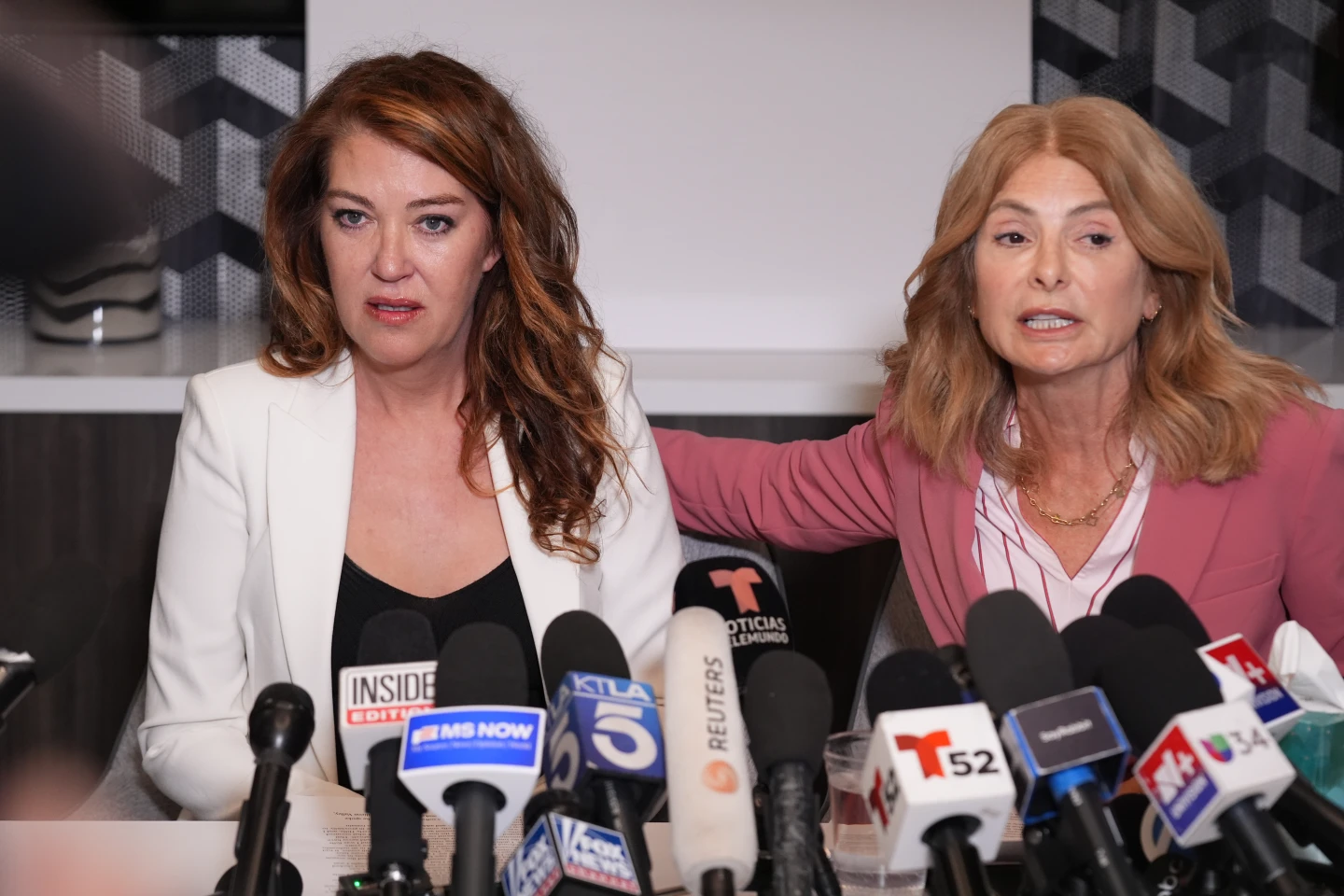
In response to the mistrial, Jessica Mann insisted that her truth remains unaffected. I deserve justice, which is why I stand up and face unbearable public scrutiny in the name of a greater good, she asserted, while Manhattan District Attorney Alvin Bragg praised her resolve and reiterated intentions to consult her regarding future decisions.
The Path to Retrial
Weinstein’s prominence in Hollywood came crashing down with allegations of sexual misconduct surfacing in 2017, stirring the #MeToo movement. His previous conviction in 2020 was overturned, thus prompting this latest retrial. While Weinstein expressed regret over personal betrayals, he maintains he never assaulted anyone.
Mann, now 40, first encountered Weinstein during a party where her aspirations for an acting career were ignited. She alleges that their interactions took a dark turn on March 18, 2013, when she rejected his advances but claimed he violated her consent.
Weinstein's defense portrays Mann's relationship with him as one of willing partnership, emphasizing their continued interactions over the years. This complex narrative intertwines issues of power imbalances and consent, which have come to define many contemporary discussions surrounding sexual assault.
A Broader Context
As Weinstein's case continues to unfold, it stands as a critical touchstone within the larger #MeToo discourse, illustrating the societal challenges that persist in addressing sexual misconduct and the complexities of pursuing justice in such high-profile situations.