The International Criminal Court’s (ICC) chief prosecutor, Karim Khan, has been suspended with immediate effect while an investigation into alleged sexual misconduct continues.
The decision was taken by an oversight bureau within the ICC’s management structure and will be forwarded to the court’s 125 member states for a vote at a special session convened “as soon as possible”.
Khan has repeatedly denied all accusations and his legal team has described the suspension as “unlawful, procedurally unfair and unsupported by evidence”. Critics of the process say that the investigation was mishandled and did not provide a fair assessment of the claims, while supporters argue that the findings are insufficient to substantiate the misconduct allegations.
Earlier reports in May 2024 alleged that Khan had engaged in unwanted sexual touching and abuse of authority toward a female staff member. The Independent Oversight Mechanism (IOM) opened an inquiry, which was later closed after the alleged victim refused to participate. A second referral in October 2024 transferred the matter to the United Nations Office of Internal Oversight Services (OIOS), which produced a comprehensive review containing more than 5,000 pages of evidence.
Staff within the Office of the Prosecutor warned that Khan’s return could damage confidence in the ICC and raise fears of retaliation. Meanwhile, critics claim that the institution’s procedures have been compromised, undermining public trust.
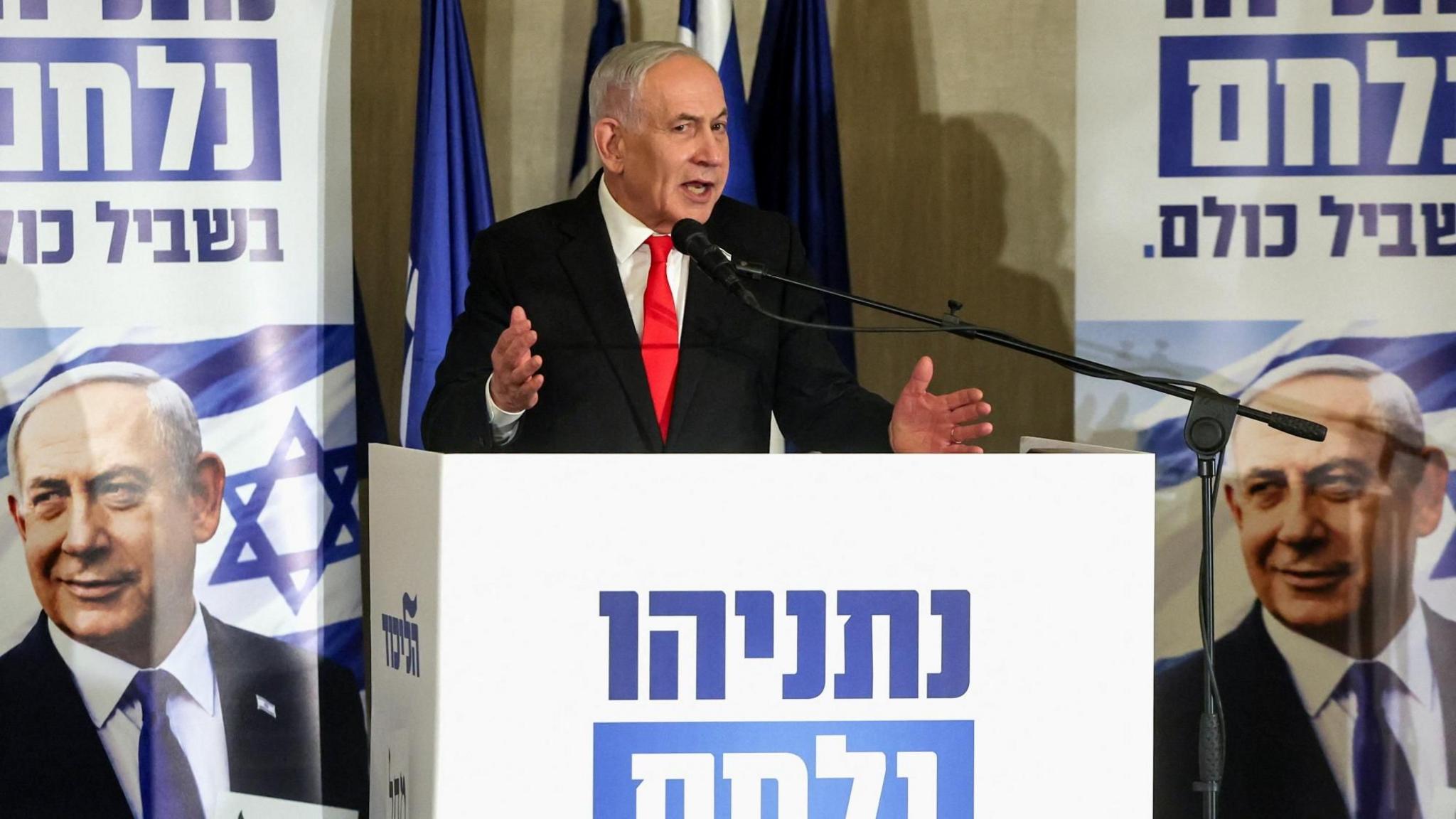
The controversy came amid wider geopolitical tensions. The United States imposed sanctions on Khan after he sought arrest warrants for Israeli Prime Minister Benjamin Netanyahu and Defence Minister Yoav Gallant over alleged war‑crime links to Gaza. These sanctions were later expanded to target ICC judges, deputy prosecutors, and Palestinian groups that had provided evidence to the court.
Although the United States, Russia and Israel are not ICC members, the court can exercise jurisdiction over crimes committed by their nationals on the territory of member states. Should the Administrative and Supervisory Personnel (ASP) decide to remove Khan, he could appeal the decision before the International Labour Organization’s Administrative Tribunal, potentially triggering a lengthy legal challenge and compensation if procedural flaws are found.
The ICC’s future—whether Khan is reinstated, removed, or allowed to remain on leave—will be determined by the outcome of the upcoming vote by the 125 member states. The case will continue to cast a long shadow over the court’s governance and its credibility on the world stage.