Heatwave‑Triggered Champagne Shift: France Temporarily Raises Alcohol Limits
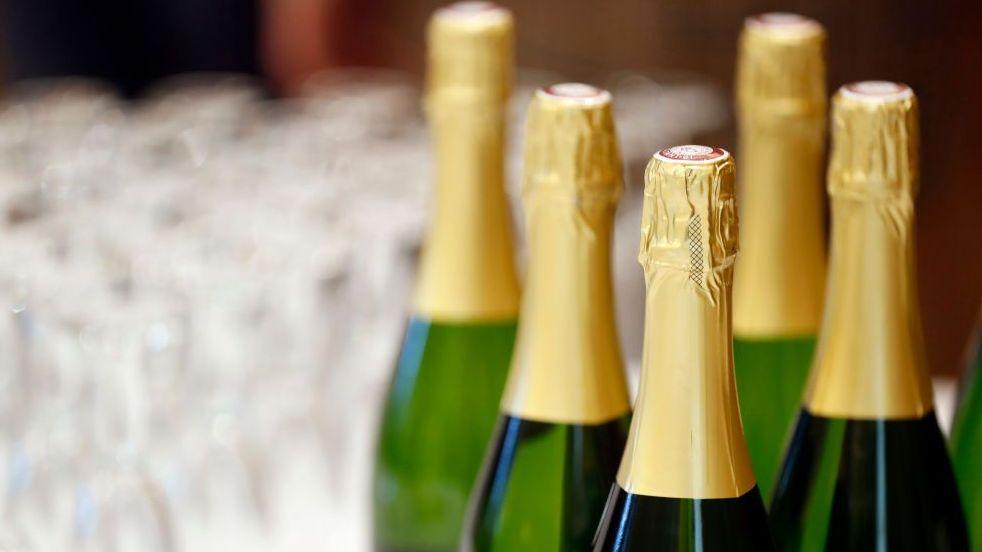
Champagne lovers may find themselves getting tipsy more quickly after French producers have been given the go‑ahead to raise the alcohol content in a bottle of bubbly for the first time following this summer's record heatwave.
Winemakers can now produce champagne with an alcohol content of up to 15%, stepping above the usual 13% cap, industry officials have said.
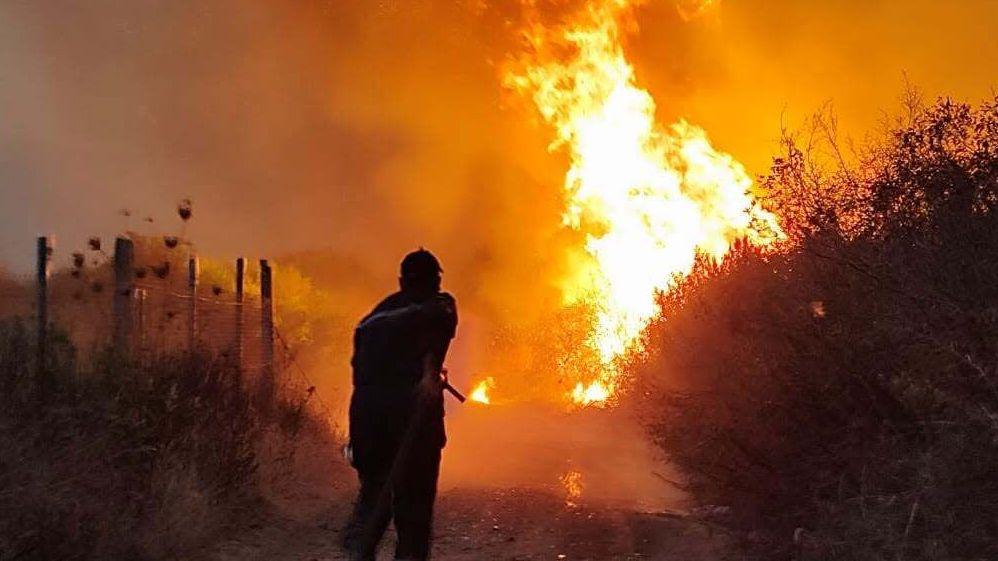
The extreme heat and drought produced grapes with exceptionally higher sugar levels. Yeast converts sugar into alcohol during fermentation, which explains the increase.
The 2026 harvest in the Champagne region was the earliest ever recorded, a phenomenon the Comite Champagne says may become normal in 10 to 15 years because of climate change.
A spokesperson for the Comite Champagne explained that only a very small number of wines from this harvest might have “slightly exceeded the regulatory limit of 13%, reaching around 13.1% or 13.2%”. Hence an exceptional and temporary increase to 15% was authorised for this year only.
“This unusual harvest will probably become the norm in 10 to 15 years” said Maxime Toubart, co‑chair of the Comite Champagne, citing the growing season’s severe sprang‑frosts, early flowering and five heatwaves.
Producer Stéphane Vignon of Verzenay said the Mediterranean climate is moving north, and while this year might be the first of a new cycle, he expects it to happen again.
Wine columnist Jane Anson noted that higher‑strength champagne is unlikely to be an obvious selling point, as consumers increasingly prefer lower‑alcohol drinks. She warned that “the battle between what consumers want and what nature provides must be very stressful for producers.”
Because champagne must age for at least 15 months, the 2026 vintage is unlikely to hit shelves until 2028.