In brief
The shooting of conservative figure Charlie Kirk has opened a broad dialogue about race and faith in America. While many conservatives view him as a martyr, Black clergy reproach the glorification of Kirk due to his history of inflammatory remarks against marginalized groups, asserting that his life does not embody Christian values. Pastors argue the implications of his martyrdom claim could perpetuate harmful ideologies, creating a stark divide among believers about the intersection of faith, politics, and race.
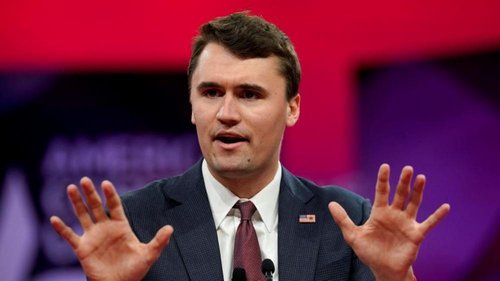
Charlie Kirk, a conservative activist whose death recently captured national attention, has been memorialized by many conservatives and evangelical Christians as a martyr, sparking substantial debate among Black clergy in America. These leaders are grappling with the challenge of reconciling Kirk's celebrated status with his history of incendiary comments about people of color.
Rev. Howard-John Wesley, addressing the issue in a sermon that quickly gained traction online, stated: “How you die does not redeem how you lived.” Many Black pastors have used their platforms to highlight what they view as Kirk's divisive legacy. In stark contrast, a memorial service attended by thousands in Arizona celebrated Kirk as a principled hero, underscoring the divided narrative surrounding his death.
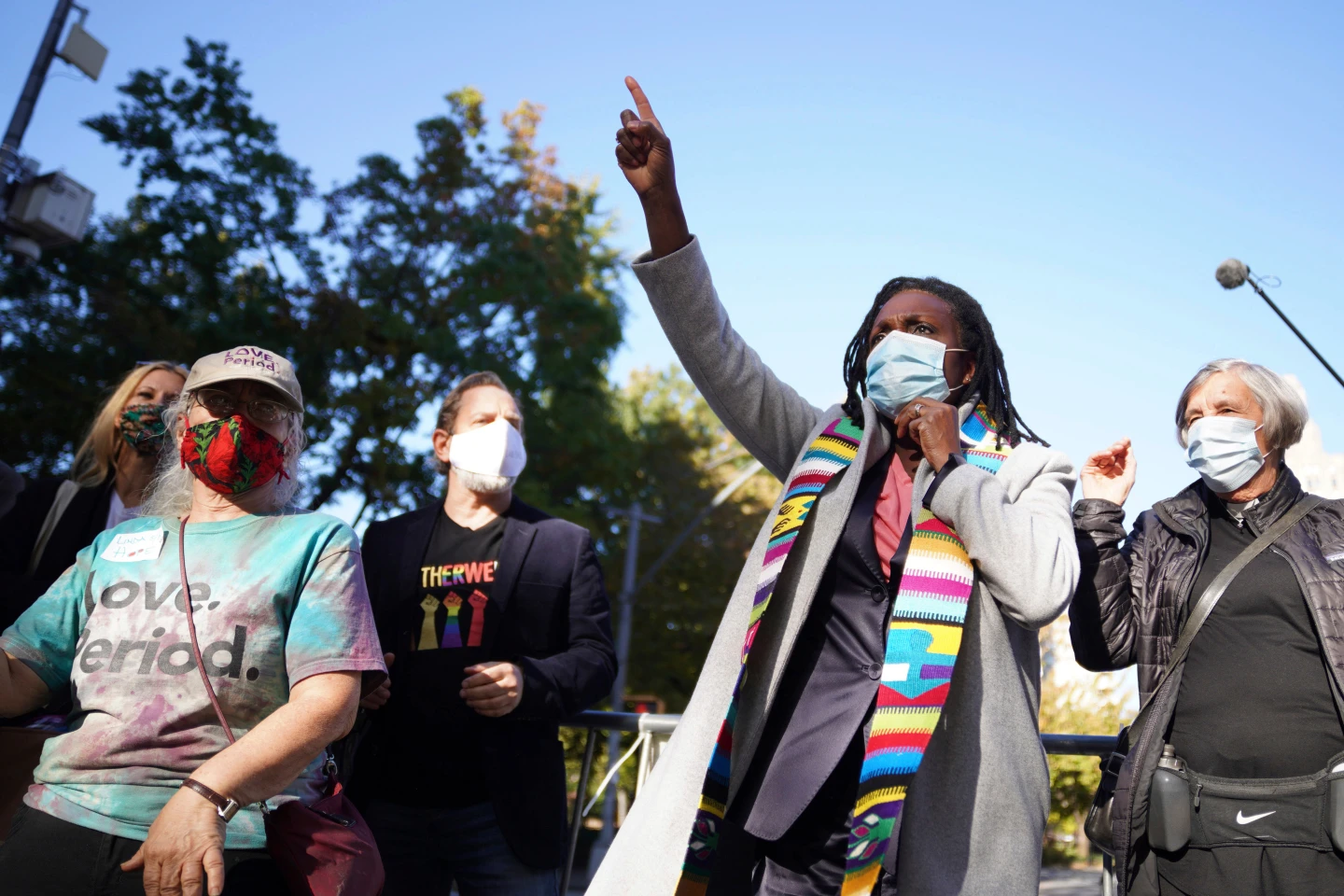
Black clergy have condemned Kirk's comments on race and expressed concerns about their implications. Rev. Jacqui Lewis, speaking on Kirk's rhetoric, remarked that such viewpoints have been historically used to justify oppression and misrepresent Christianity. She articulated a strong disapproval of linking Kirk's legacy to the Christian faith.
While some in the Black community support Kirk's conservative values, many clerics have been vocal about the dangers they see in obscuring his problematic statements behind a façade of martyrdom. Rev. F. Bruce Williams criticized the portrayal of Kirk as a martyr for the faith, affirming that true martyrdom is associated with a life devoted to love and justice, aligning with the teachings of Jesus.
As this debate unfolds, it reveals deeper societal fractures and raises critical questions about the role of racial discourse in religious communities. Black pastors maintain that their historical responsibility involves speaking out against racism and injustice, urging a reevaluation of how figures like Kirk are memorialized in a modern context.