In brief
Poland’s Interior Ministry confirms the detainment of Jacek Dobrzynski after credible intelligence of a planned assassination against Prime Minister Donald Tusk and Defence Minister Władysław Kosiniak‑Kamysz. The arrest followed a special security meeting and was praised by Tusk as swift action. The suspect was apprehended in Lower Silesia and was a Polish national. The incident raises questions about domestic political tensions, EU security cooperation, and the broader trend of political violence in Europe.
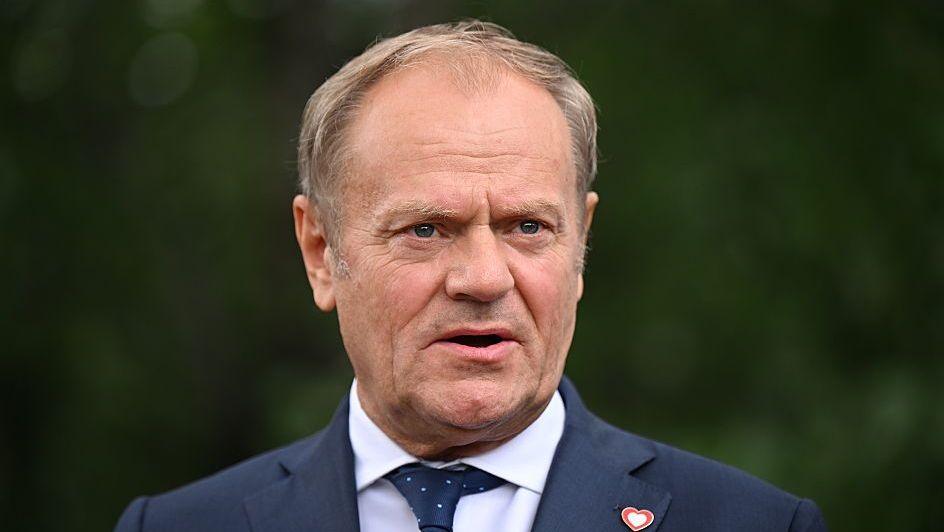
Poland's Prime Minister Donald Tusk announced that a man has been detained for allegedly planning an assassination attempt against him and Defence Minister Władysław Kosiniak‑Kamysz.
Jacek Dobrzynski, a Polish national, was arrested in the Lower Silesia region after a special meeting of the Security Services, which was convened following credible intelligence of a possible attack on the prime minister and his defence minister.
Tusk thanked police for "swift and decisive action" in the arrest. Interior Minister Karolina Galecka said the federal agency had received an email forwarded by the State Protection Service that contained details of the planned attack.
According to a spokesman for the Special Services Coordinator, the threat was considered "deadly serious" and the likelihood of execution large.
Poland’s police and intelligence units collaborated across regional lines to neutralize the plot before any harm could occur.
The timing of the arrest may be viewed through multiple lenses. From a security perspective, it underscores the persistent risk to top officials even in stable democracies. Politically, the incident arrives amid a fraught relationship between Tusk’s Civic Platform party and the opposition, raising questions about whether political rivalry heightened the threat environment.
European Union partners have echoed concerns about intra‑European political violence, and some EU officials have called for joint intelligence sharing and stronger protections for leaders. Meanwhile, domestic protest groups have called for transparency in the investigation, while commentators in right‑wing circles have criticized the government's security posture as overly heavy‑handed.
Background note: Donald Tusk has served as Poland’s prime minister twice, first from 2007‑14 and again since 2023, and was president of the European Council from 2014‑19. The incident is the latest in a series of security incidents in Poland this year, including a series of stabbings reported in other parts of the country.
The authorities have said the investigation continues, but no charges have yet been formally announced. The case serves as a reminder that political stability relies on robust security protocols and international cooperation, while also highlighting the enduring challenge of preventing political violence in modern democracies.