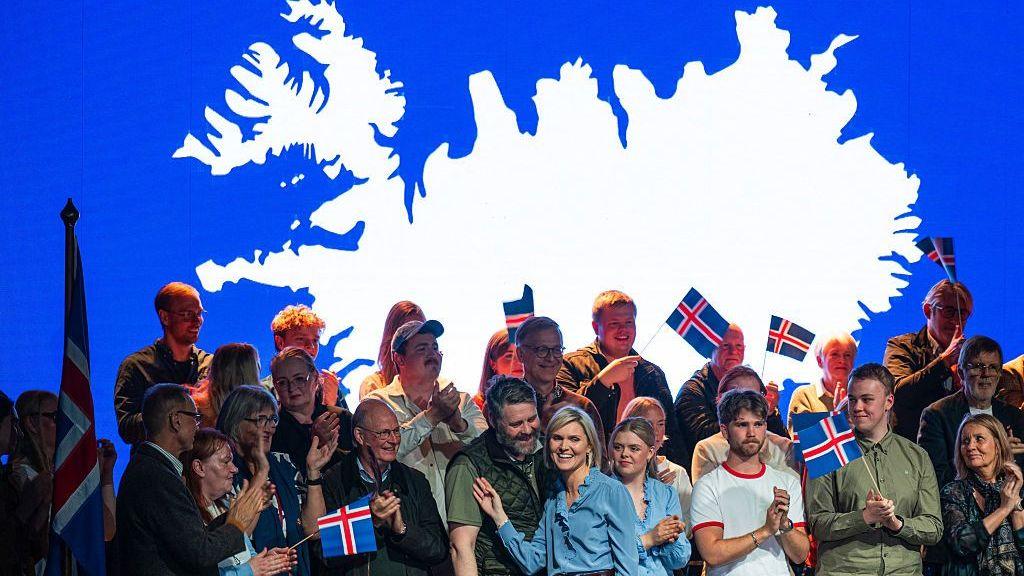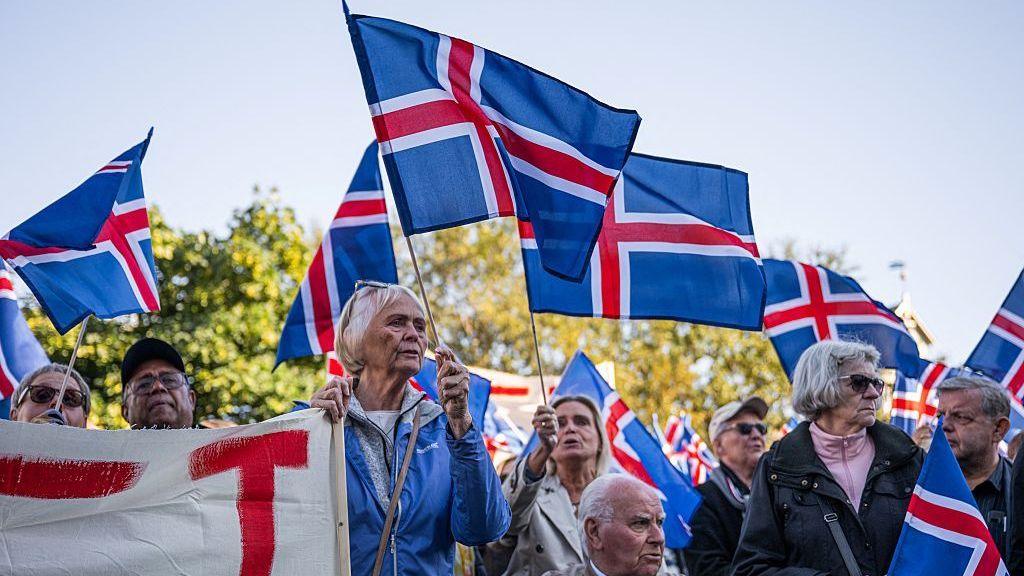
During the week of 29 August 2026, Iceland held a landmark referendum on whether to resume parliamentary talks for full European Union membership, a decision that had been paused in 2013.
The question voters answered was: ‘Should Iceland resume accession negotiations with the European Union?’ A “Yes” vote would simply signal backing for a new round of talks, effectively a step toward European integration; it would not be the final decision and would have to be followed by a second referendum, parliamentary approval and constitutional amendment. A “No” vote would allow Iceland to reject further negotiations for the time being, but would not preclude future talks.
Opinion polls revealed a razor‑thin lead. The most recent poll put the No side ahead at 51.6%, up from an earlier result that favored the Yes campaign. With voting open from 09:00 to 22:00 GMT on the referendum day, the public is watching closely as the margin narrows.
Central to the debate is the Common Fisheries Policy. Iceland’s marine sector accounts for almost 40% of its exports. The No campaign warns that Iceland could lose control over its extant fishing grounds – a key sovereignty concern. Brussels has suggested a potential exemption, but it remains a contentious point. In the past, the Cod Wars with the UK and the 2008 financial crisis prompted Iceland's earlier engagement with EU talks.
In addition to fisheries, the vote touches on other issues. Economic analysts argue EU membership could help reduce the country’s high interest rates (currently around 8%) and curb inflation (5.6%). The No side stresses Iceland’s reliance on NATO and the United States for defense; it notes that EU membership does not replace NATO security guarantees.
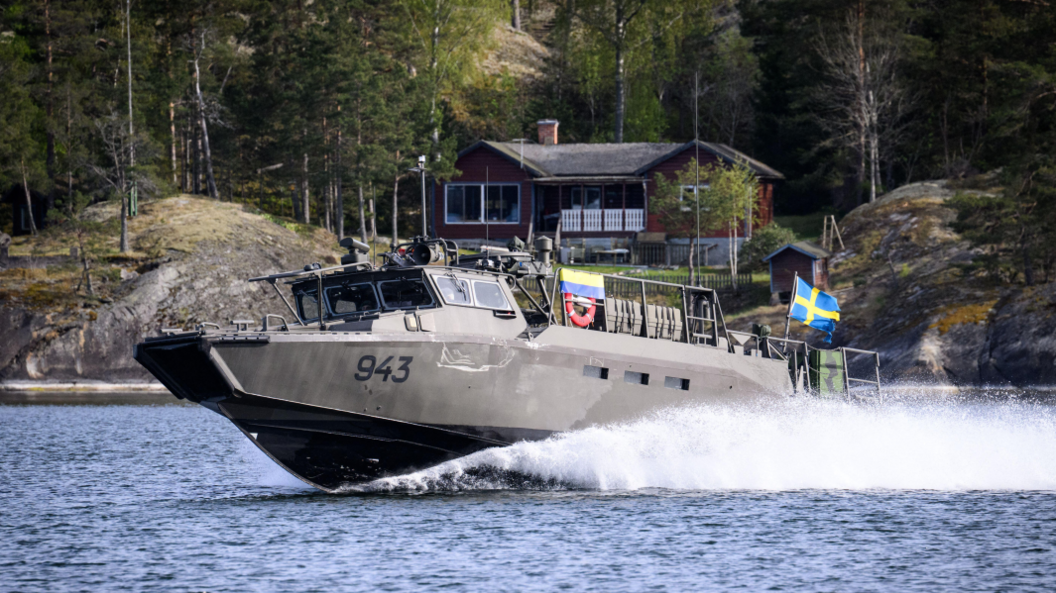
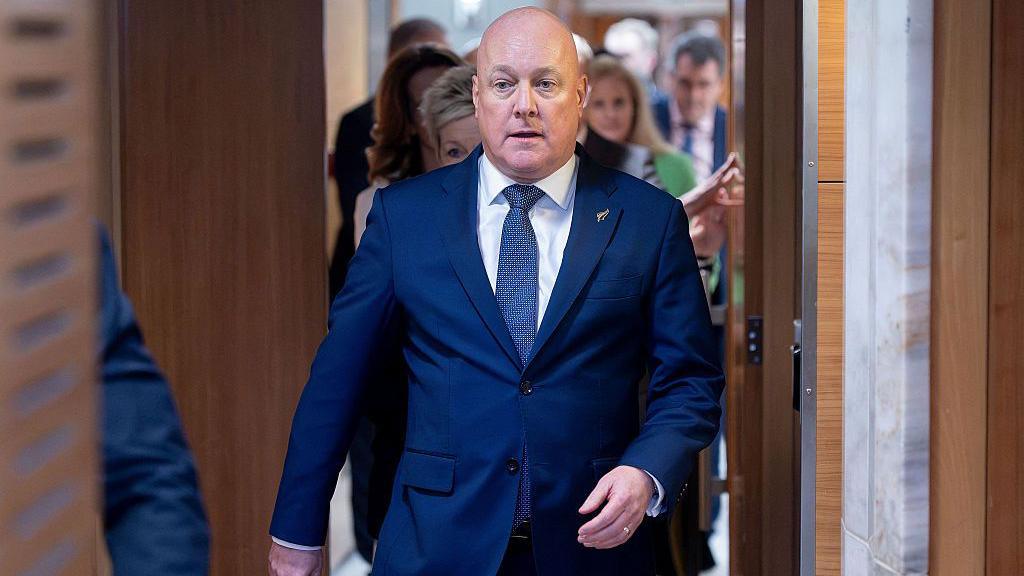
During the campaign, leaders of both sides appeared on televised debate. Prime Minister Kristrún Frostadóttir led the Yes camp, highlighting Iceland’s close integration with EU markets and framing membership as a "risk‑reduction" step. The No side was headed by Guðrún Hafsteinsdóttir, chair of the opposition Independence Party, who emphasized that the referendum was a vote on ceding decision‑making powers over fisheries, agriculture and natural resources to Brussels. Both sides acknowledged that the national security message was under‑stated by the electorate despite events such as Russia’s naval moves near Iceland and heightened US interest in Arctic territories.
The result will be announced in the early hours of 30 August, shaping Iceland’s future relationship with the EU and its broader geopolitical posture amid changing security dynamics in the North Atlantic.