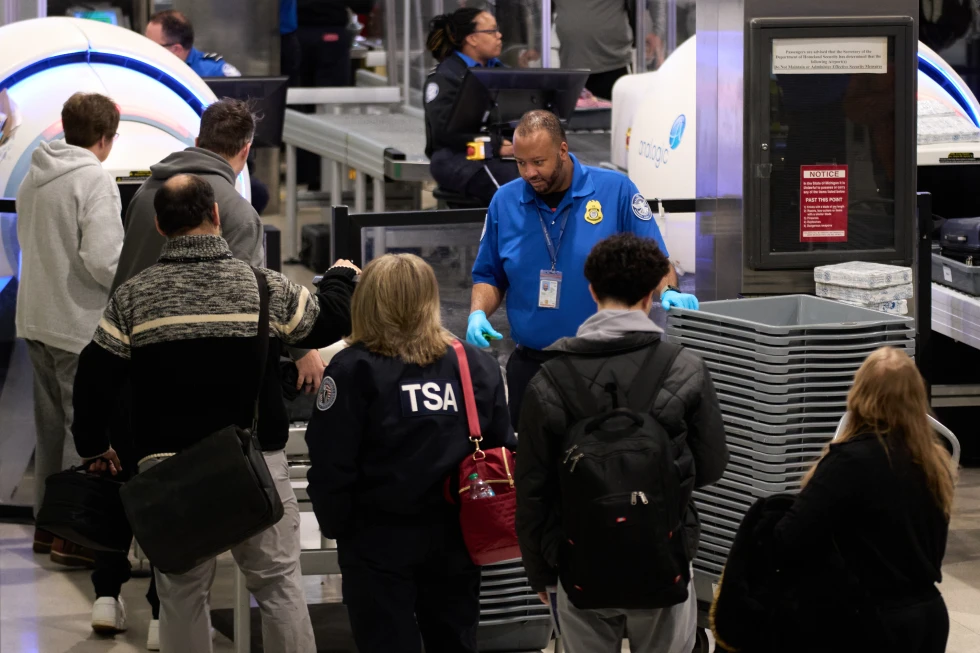
The shutdown of the U.S. Department of Homeland Security that took effect early Saturday affects the TSA, the agency that screens passengers and bags at airports across the country. This move has ignited fears of potential chaos at airports, reminiscent of the lengthy government shutdown from the previous year that led to significant flight cancellations and delays.
TSA officers will continue to work without pay as lawmakers fail to reach an agreement on the Department’s annual funding. This situation is particularly precarious as the travel industry warns that prolonged delays in DHS funding may lead to rising security lines across airports nationwide.
What's Different About This Shutdown?
Unlike previous shutdowns, funding for the remainder of the federal government is secure through September 30. This means air traffic controllers will continue to receive salaries, potentially reducing the risk of extreme flight cancellations seen in past shutdowns. Approximately 95% of TSA employees are classified as essential, thus required to maintain their operations.
Historically, disruptions in air travel during shutdowns have escalated gradually, with complaints about wait times arising after several weeks. Last year’s shutdown saw escalated procedures, such as the temporary closure of checkpoints in major airports due to staffing shortages.
John Rose, chief risk officer for Altour, suggested that the recent memory of the previous shutdown may quicken the emergence of operational strains at airports during this shutdown. The prospect of working without pay raises concerns for TSA agents and may lead to higher rates of unscheduled absences, further complicating travel logistics.
Potential Impact on Travelers
The uncertainty surrounding the DHS shutdown makes predicting the impact on security screening difficult. Any unscheduled absences among TSA staff could result in immediate delays at airports, especially those with limited security checkpoints. Experts advise travelers to arrive earlier at airports to account for potential long wait times and security delays.
Airlines might also opt to delay flights to accommodate passengers still in screening, which could compound general delays in the air traffic system. Travelers should be diligent in checking wait times on airport websites prior to arriving.
How to Prepare for Travel
Travelers should monitor security line wait times well in advance of their flights. It's important to be cautious with packing as bringing prohibited items in carry-on luggage can exacerbate delays at checkpoints. TSA maintains a comprehensive list of airport security rules on its website for reference.
Practicing patience is crucial during these times. TSA employees are managing high volumes of travelers while facing their own challenges of working without pay.
Future of the Shutdown
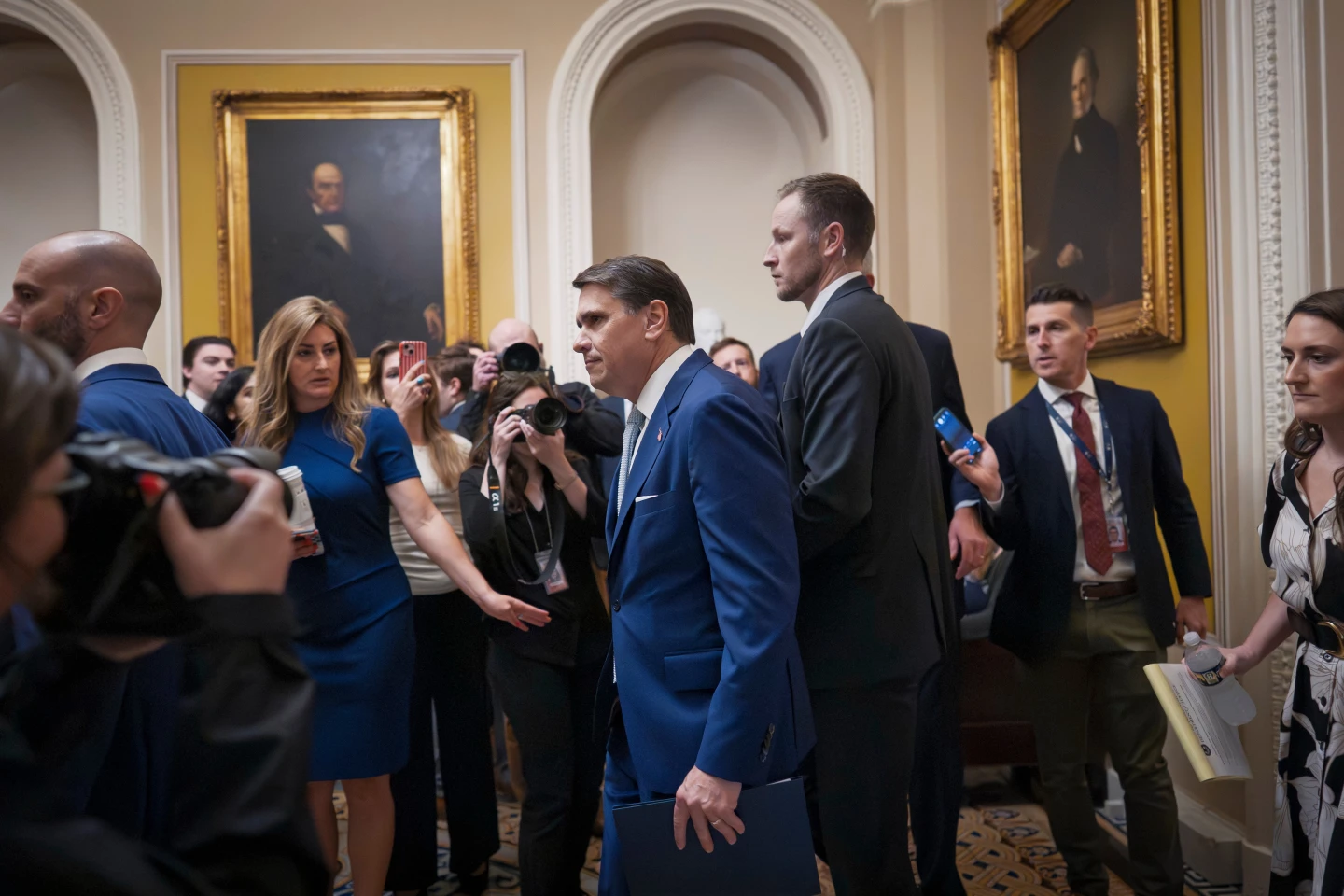
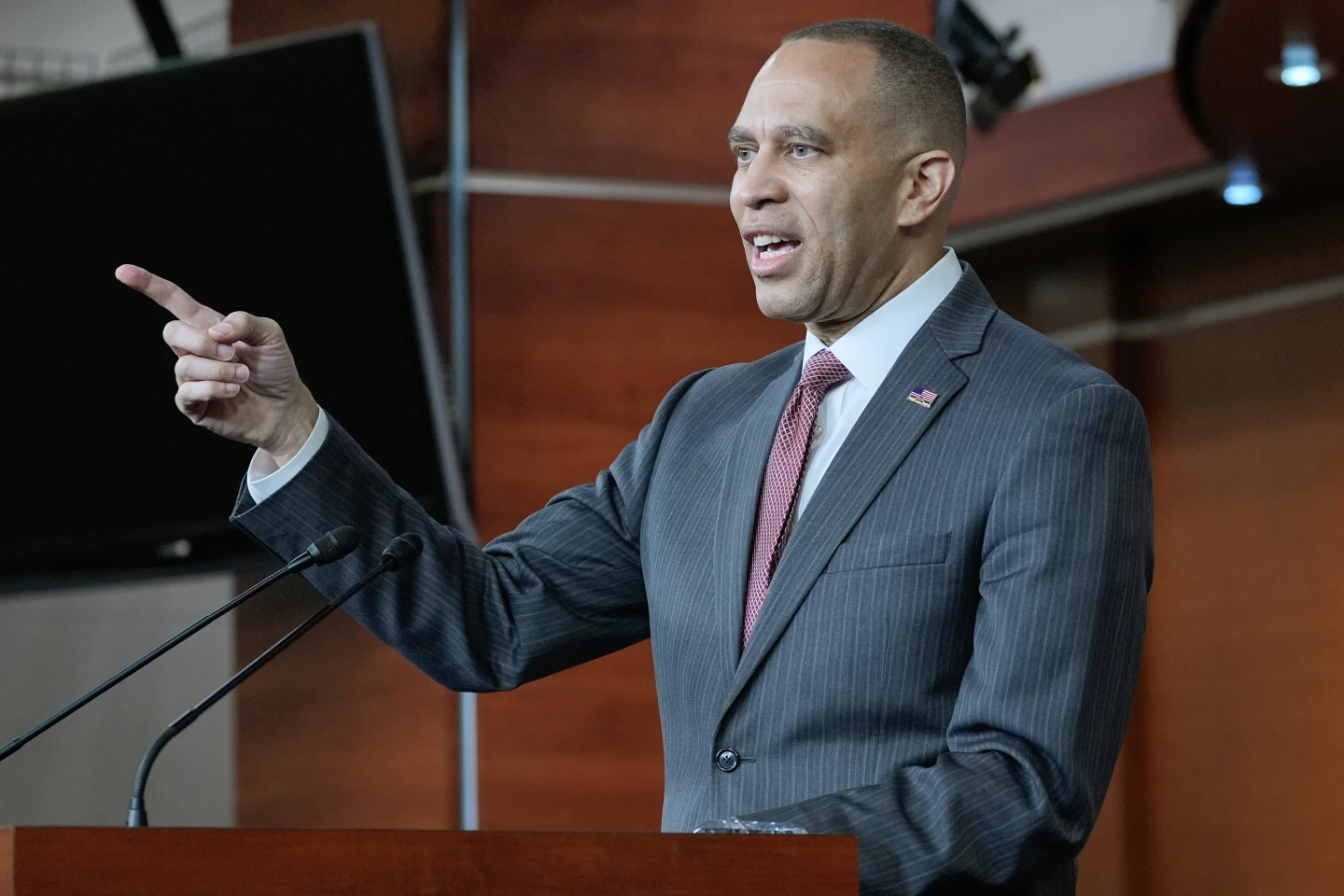
Negotiations between the White House and Democratic lawmakers continue, aimed at resolving the funding impasse. Lawmakers are under pressure to return and finalize a deal to prevent extended disruptions, particularly as the heavy spring break travel season approaches. The National Travel, Airlines for America, and American Hotel & Lodging Association emphasize that the shutdown could severely impact the travel economy if it persists.
In summary, travelers should prepare for and remain aware of the implications of this DHS funding shutdown, factoring in potential wait times and complications while traveling in the days ahead.