In brief
Opposition leaders in India marched to the Supreme Court in Delhi, demanding the resignation of Chief Election Commissioner Gyanesh Kumar amid accusations that he is manipulating electoral rolls to favour the ruling Bharatiya Janata Party. The protest saw thousands of demonstrators, heavy security measures, and road blockades, with reports of police detaining participants and journalists. Rahul Gandhi and other Congress figures called for widespread participation, while Chief Justice Surya Kant refused a meeting, citing pending cases. The BJP dismissed the allegations, attributing the unrest to foreign influence. The incidents highlight escalating tensions over electoral integrity in India.
Opposition parties in India gathered in Delhi to protest against what they claim is manipulation of electoral rolls by Chief Election Commissioner Gyanesh Kumar. They marched to the Supreme Court, demanding his resignation, as allegations surfaced that the rolls have been altered to benefit the ruling Bharatiya Janata Party (BJP).
The protest added to a series of demonstrations in the capital, with thousands of security personnel deployed and roads heavily barricaded. Reports from police sources noted that several demonstrators, including journalists, were detained during the march, and footage shows security forces restraining and moving protesters, occasionally by force.
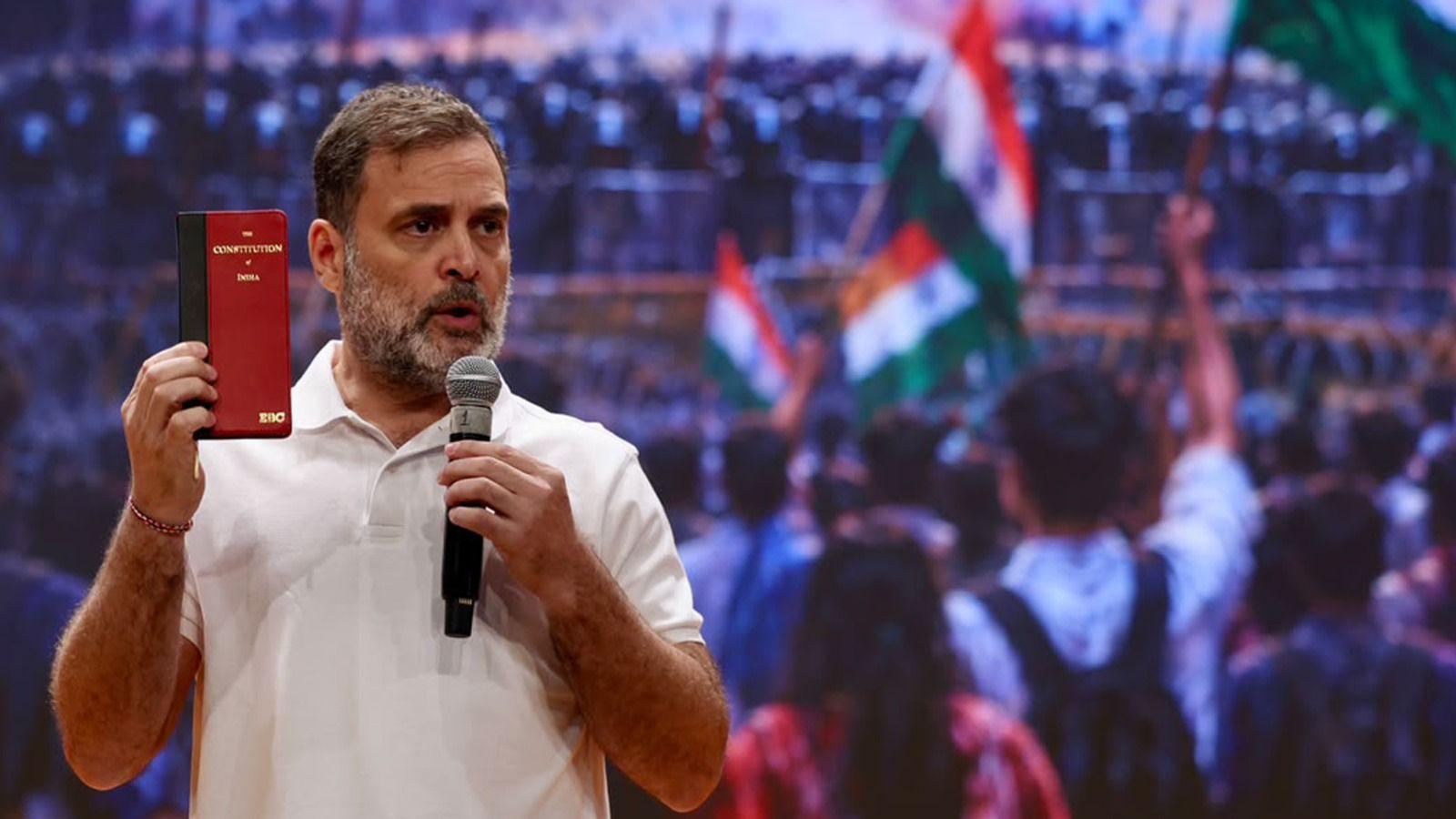
Opposition leaders, led by Congress MP Rahul Gandhi, called on the public, civil society groups and anyone who believes in democratic principles to join the march. Gandhi shared a letter addressed to Chief Justice Surya Kant, detailing concerns over the Election Commissioner’s conduct and the contested electoral roll revisions.
Chief Justice Kant declined to meet with the opposition, stating that some of their issues were already pending before the court. He emphasized that “every Indian citizen has the right to approach the court” and that the judiciary would address grievances as per the law.
In response, BJP President Nitin Nabin accused opposition parties and the Coalition of Political Justice (CJP) of attempting to destabilise India “at the behest of foreign forces,” although he did not specify which forces.
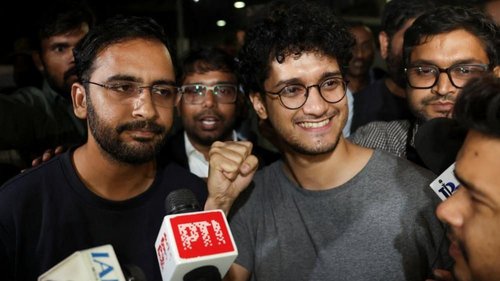
Heavy restrictions were imposed on traffic, and multiple metro stations along the route were temporarily shut down to manage the crowds. CJP leaders, founder Abhijeet Dipke and co‑convenors Saurav Das and Ashutosh Ranka, were detained upon arrival in Delhi from a flight, only to be released the next day under separate circumstances.
Reporters Without Borders condemned the detention of at least 16 journalists during the protest, stressing that covering public events is a protected activity. Rahul Gandhi criticized police actions, stating that many young Indians came to protest peacefully but were beaten.