Inside Kabul: Taliban Rule, Smartphones and a Woman’s Bold Divorce
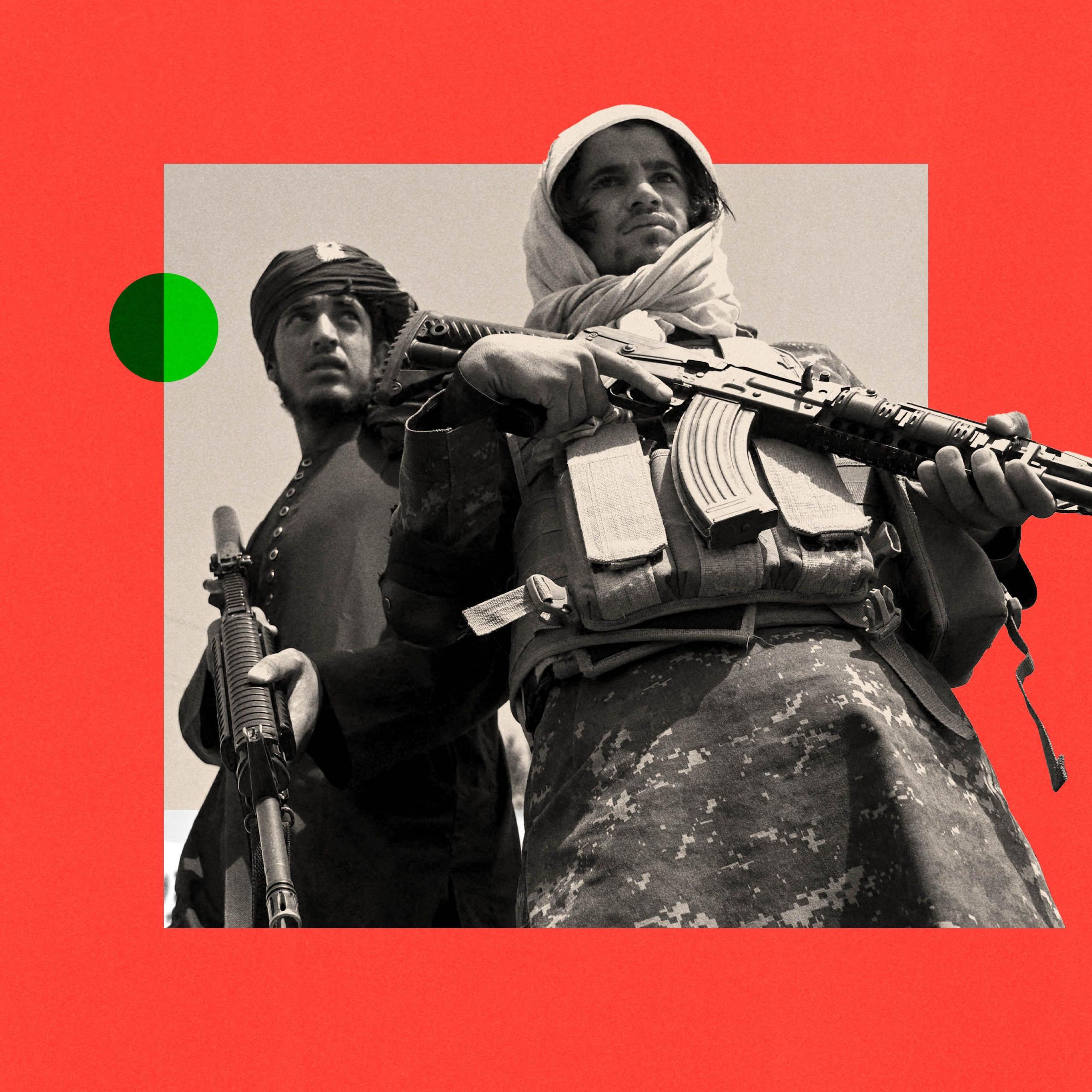
In the governor’s office in Sheberghan, the former jihadist turned public official Abdullah Sarhadi is juggling a man’s broken arm and a debate over a woman’s claim of divorce. The woman, obscured by a full face veil and sunglasses, insists she has a right to leave her husband who she says has abused her for months. According to the Governor, the woman’s insistence may force her to repay the bride price. The encounter illustrates how the Taliban, which returned powers in 2021, enforce Sharia‑based rules in routine life.
Meanwhile, officials report a new ban on smartphones, which has slowed decision‑making. “Before you could send a quick message and get a prompt response, now the mobile is restricted. If we say too much about the ban, it will cause trouble,” Sarhadi told reporters. The ban reflects an attempt to tighten control over information flow, though it clashes with the regime’s broader anti‑information stance.
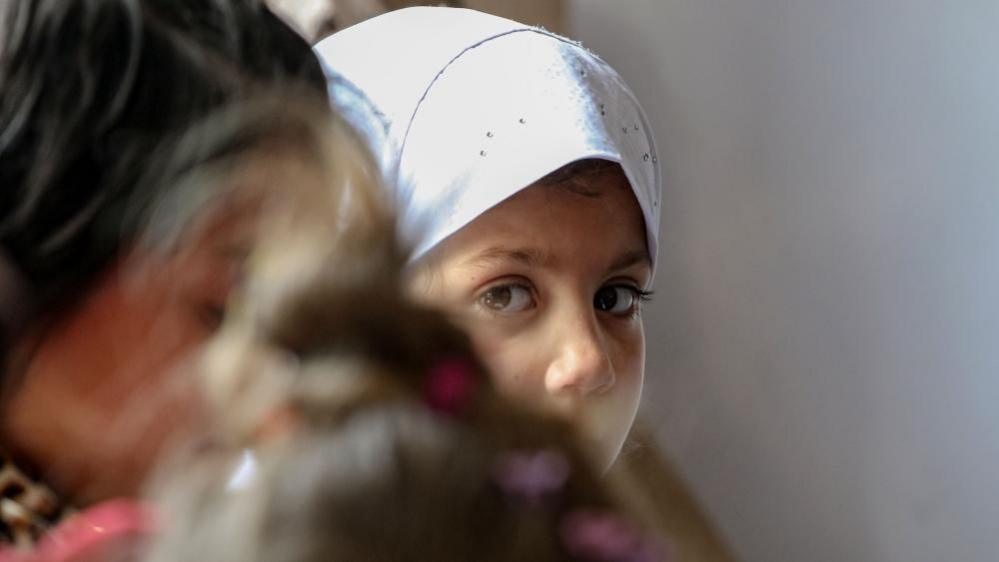
The BBC’s unit spent two years meeting senior Taliban figures. Some, such as Habibullah Badr, who once coordinated suicide attacks, now hold roles in the administration. When queried about women’s rights, Badr was careful to avoid past violent actions. He balanced a commitment to women’s education and work within a framework he claimed was “Sharia‑based.” Yet many Afghan women report that schools for girls remain shut and that women face punishment for speaking out.
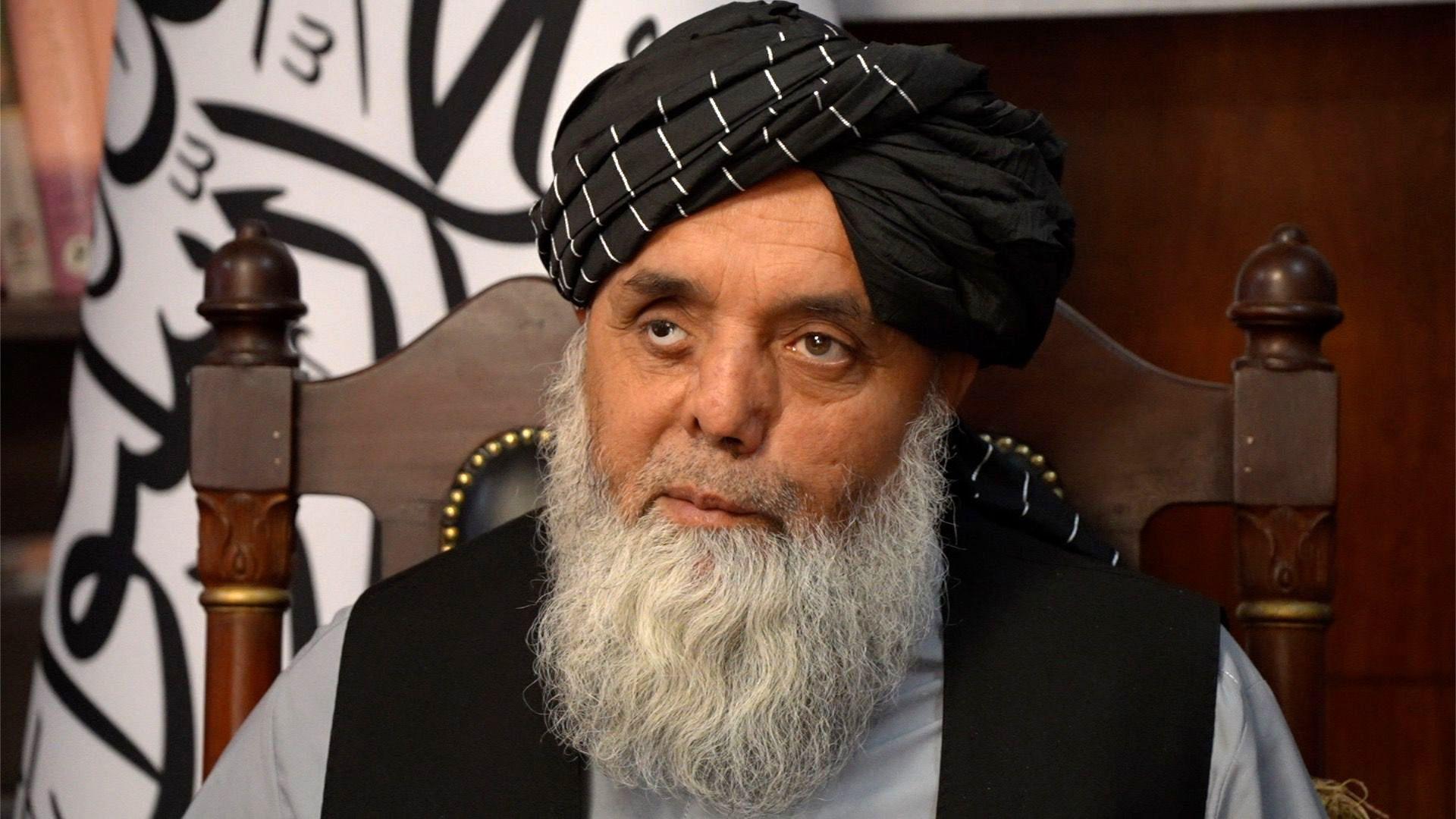
The report also touches on the Taliban’s cultural legacy. Governor Sarhadi admitted he personally destroyed an ancient Buddha statue in Bamiyan during the ilk of the Taliban’s first rule. He insisted it was “God’s will.” The image of the governor’s office above—a man with a long grey beard and a black Afghan headdress—provides a stark reminder that former insurgents now hold government chairs.
These stories underscore how the Taliban approach power: maintaining strict Islamic law while pressing for modern efficiency. The limits placed on women’s movement, the suppression of cell phones, and the public’s hopes for open education generate a complex dynamic between governance, tradition, and civil freedoms. Reporting from Kabul aims to present facts, highlight diverging voices, and encourage readers to see the many perspectives shaping Afghanistan today.