In brief
Iran’s speaker Mohammad Bagher Ghalibaf publicly threatened a rapid and painful response to recent US strikes on Iranian facilities, highlighting a shift in the conflict’s rules of engagement. Washington’s retaliation included attacks on Iranian oil tankers, sparking a cycle of mutual strikes that has already seen American ships targeted in the Gulf. With a 60‑day ceasefire now expired, both sides have intensified naval and aerial operations, raising concerns among regional partners and global markets. The Strait of Hormuz’s importance as an oil chokepoint has injected economic stakes into an escalating military standoff.
Iran warns of faster, heavier response to US attacks
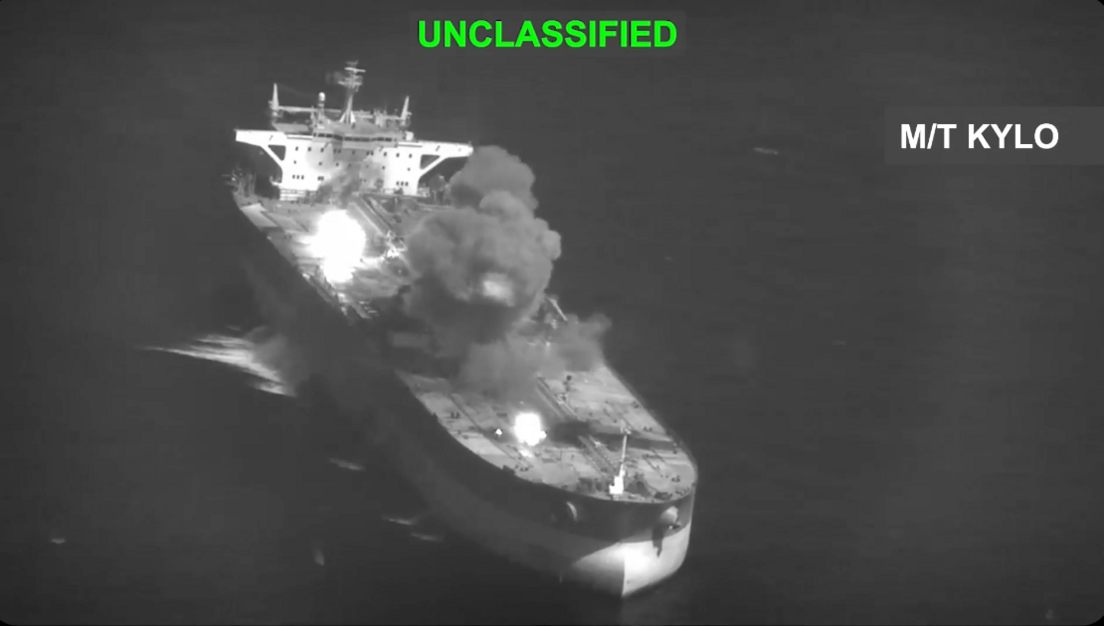
Mohammad Bagher Ghalibaf, Iran’s parliamentary speaker, warned on Sunday that the United States must understand the "rules of the game have changed," saying Iran would reply to any U.S. attacks with a "faster, heavier and more painful" response. His statement came just a day after Washington struck Iranian oil vessels in retaliation for Iranian attacks on American warships in the Gulf of Oman.
The U.S. and Iran have been engaged in reciprocal strikes for several weeks, with the former targeting Iranian military sites and the latter striking American vessels and airbases. The 60‑day ceasefire that had prevailed since August finally expired, giving both sides a window to reset diplomatic talks—a window that has closed.
The conflict is concentrated around the Strait of Hormuz, a narrow passage that connects the Gulf to the Arabian Sea and controls a substantial share of the world’s oil traffic. Iran has long maintained a policy of keeping the strait operational as a strategic leverage, though the U.S. has insisted it remains open and has provided naval escort for commercial shipping.
The war’s economic impact is manifold: oil prices have climbed, diesel litres in the United States cost more than $5 per gallon, and the U.S. Congress has debated the cost of war for voters. Energy Secretary Chris Wright has reported that roughly 9 million barrels of oil now pass through the strait each day, roughly two‑thirds of pre‑conflict flows.
In retaliation to the U.S. strike, Iranian state media claimed that the Iranian Navy engaged an unmanned U.S. vessel entering the strait, a claim the U.S. military dismissed as a "total lie." Meanwhile, U.S. defense officials have threatened to sink Iranian oil vessels if they continue to target U.S. ships.
With no clear diplomatic path, the cycle of retaliation may continue. The region’s neighbors—including the UAE, Qatar, and Saudi Arabia—remain on high alert, monitoring both the intense naval presence and the economic repercussions that ripple through global markets.