In brief
The US‑Iran confrontation has deepened with new economic blockades and ongoing strikes, leaving a cease‑fire deal long expired. Senior diplomatic analysts caution that the US still lacks a clear strategy and that Iran remains determined to hold firm. While the US heavy-handed approach might create short‑term pressure, experts argue a negotiated cease‑fire—reinstating the 2026 Memorandum of Understanding—could usher a more stable outcome. The conflict remains at a tense plateau, with limited options for a quick resolution amid opposing goals and entrenched positions.
The backdrop
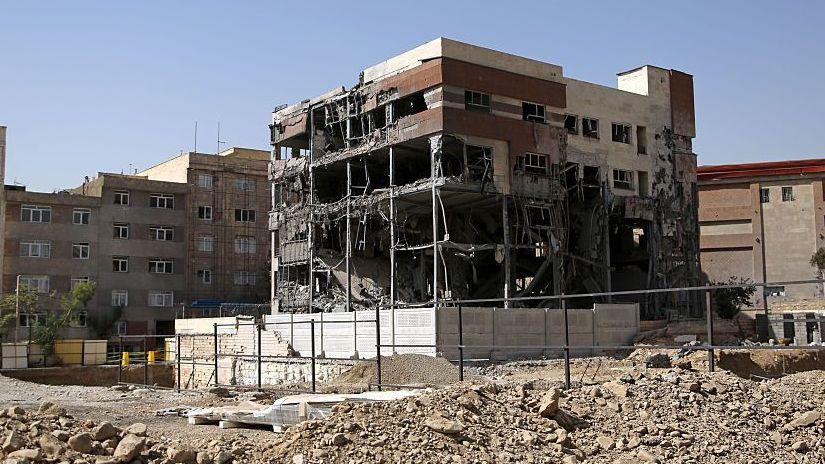
After the US launched a comprehensive economic blockade targeted at Iran and its trade partners early last year, Iranian missiles have struck dozens of shipping vessels in the Strait of Hormuz. The United States, wading into a new confrontational phase, also carried out a series of attacks against Iranian military assets. The July memorandum of understanding set to trigger a permanent cease‑fire has since expired, and the arms duel has been cashed in for a factor of political rhetoric.
What US strategists say
Jason Campbell – Senior Fellow, Middle East Institute
Campbell notes that the White House, still uncertain about its longest‑term objectives, is juggling both military and economic jabs. “While the blockade is keeping the shipping lanes open, it isn’t achieving the quick showdown any officials that believed it to be,” he says. “US officials are hoping the new sanctions will give Iran a bargaining edge, but, realistically, Iran will keep demanding a high price for a resolution.”
Iran’s side of the picture
Dr Aniseh Bassiri Tabrizi – Associate Fellow, Chatham House
Tabrizi argues the latest strikes do not change Tehran’s arithmetic. “Iran is consolidating on an increased economic squeeze and will respond proportionally to any strike without letting the situation spiral,” she explains, citing dismissive protests backed by the 2024–2025 economic strain. “They are ready to keep waiting for the US to either resume the MoU or offer a genuine concession.”
The ultimate exit path
Nicholas Hopton – Distinguished Fellow, Royal United Services Institute
Hopton stresses that neither a surge of military strikes nor unilaterally imposed sanctions alone will bring Iran to the negotiating table, as China, Russia and many others trade in the region. “The proper exit is to bring back the June Memorandum of Understanding, lifting all sanctions in exchange for adherence to a non‑nuclear regime,” he says. “Only a negotiated reset can gradually shift Iran’s political structure toward a different, less hard‑liner worldview.”
Possible future scenarios
Experts trade a numbered list of approaches. A complete cease‑fire leveraging the MoU would offer the US a victory, but demand lifts on sanctions that might not be palatable for its allies. A continued status‑quo of limited strikes would keep Iran’s regime unscathed. A shift in US tactics toward genuine diplomatic outreach could bring an eventual, though uncertain, resolution.
Conclusion
The US‑Iran conflict has reached a point where neither side seems willing to flip a coin. An outcome will most likely depend on which side chooses to trade hard power for earnest diplomatic engagement. The risk of an even more damaging war remains high, but a restored cease‑fire pact offers a path toward less volatile regional security. The world watches as both nations test each other’s resilience, and news outlets continue to track every subtle shift in posture and rhetoric.