In brief
In Baghdad, women’s rights activist Sarah Jassim harnesses social media to expose public sexual harassment, turning every phone camera into a tool of accountability. Her videos have led to arrests, yet the backlash is severe: death threats, acid‑attack warnings and a growing sense of isolation. Across Iraq, survivors confront a justice system that often blames victims and offers little protection, while societal taboos keep many cases hidden. The article follows the stories of activists who are doing whatever it takes to stay alive and bring justice to abused women, even as the laws remain weak and support structures scarce.
In the streets of Baghdad, a woman’s phone camera has become a lifeline. When a driver in a busy street repeatedly exposed himself to her, she recorded the confrontation and posted the clip on Instagram. What began as a personal act of defiance is now a growing trend among women who use footage to document public and private harassment.
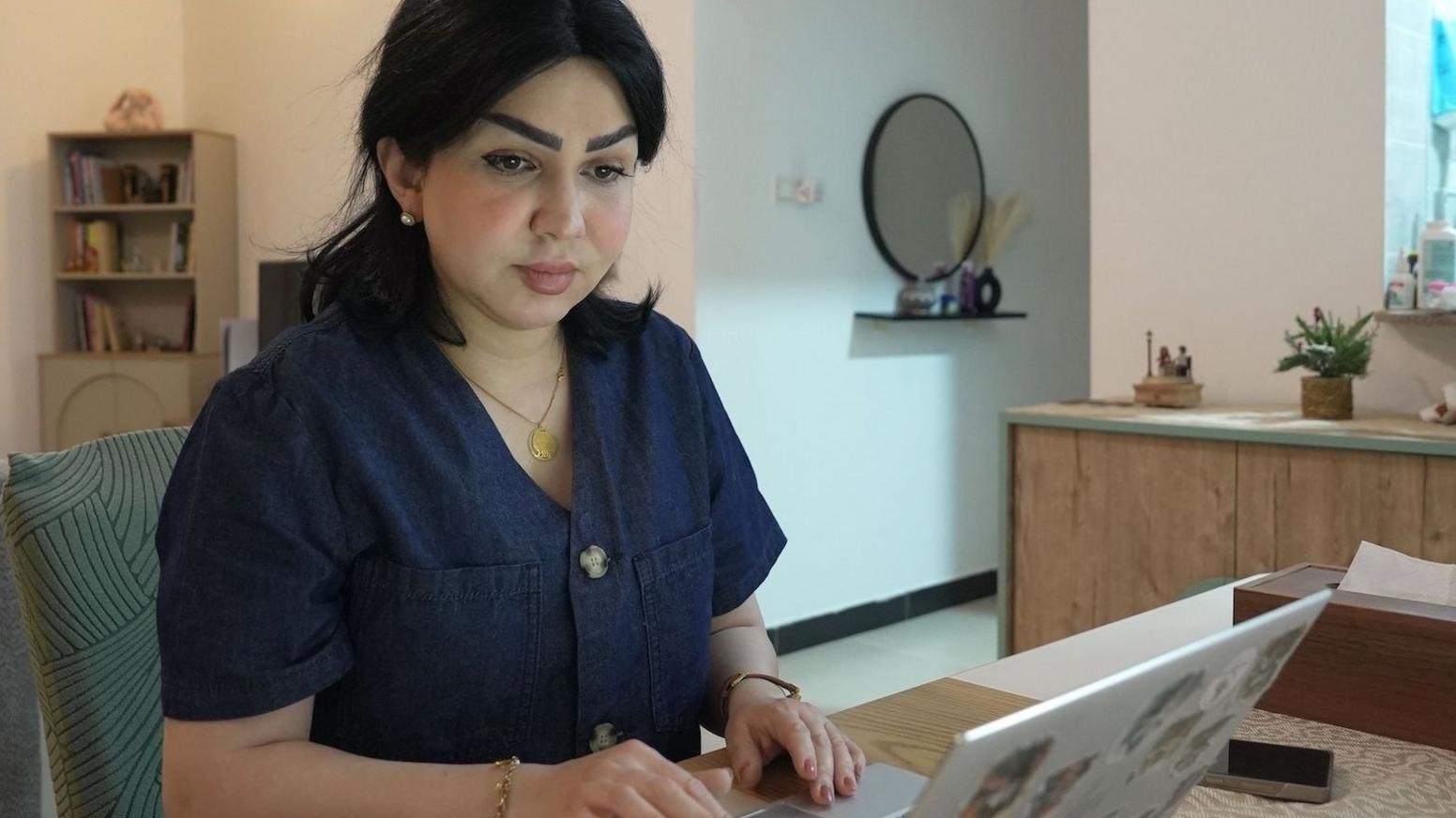
Iraqi activist Sarah Jassim says the camera is a weapon against abuse, a way to preserve evidence for legal action or at least to shame offenders. “Your camera is your weapon,” she says. One of her videos led to the arrest of a policeman accused of harassing schoolgirls, and another clip shows a woman confronting a man who was allegedly exposing himself in a car.
But the rewards come with grave risks. Jassim has received death threats, reports of acid‑attack threats, and accusations that she incites “public indecency” for encouraging women to speak. The fear of social backlash has forced her to keep her movements private, staying home most days and spending her free time playing with her dog.
Many Iraqi women who report sexual violence struggle further in the legal system. UN reports describe the violence against women as widespread and under‑reported, urging the government to repeal laws that exonerate rapists who marry their victims and to discontinue practices that allow reduced sentences for “honour” killings.
One victim, Amal, has endured police denial and a nearly decade‑long court case after her father repeatedly assaulted her daughter at gunpoint. Her family offers no support, and her ex‑husband remains at large, making the fight for justice a lonely battle.
Collective advocacy is shrinking. The death of Yanar Mohammed, co‑founder of a women’s shelter, outside her house in Baghdad underscores the violent environment activists operate in. A senior UN human‑rights figure warned that extremist militias often drive such attacks.
Even policing procedures show anomalies. A spokesperson for the Interior Ministry tells reporters that about 300 reports of sexual violence were logged this year, but the real number is believed to be higher due to social customs and lack of accountability. Women say that even when they succeed in confronting the police who ignored them, little change follows.
The narratives of activists like Sarah and longstanding advocate Hanaa Edwar outline a society where women's voices are either silenced or under‑heard. Despite the risk, they refuse to relent: “If all of us are going to get scared, noone will change anything,” Sarah says. The struggle continues, and the world watches Iraq’s path toward gender equity and safety for all its women.