Israel-Lebanon Ceasefire: Key Details and Reactions
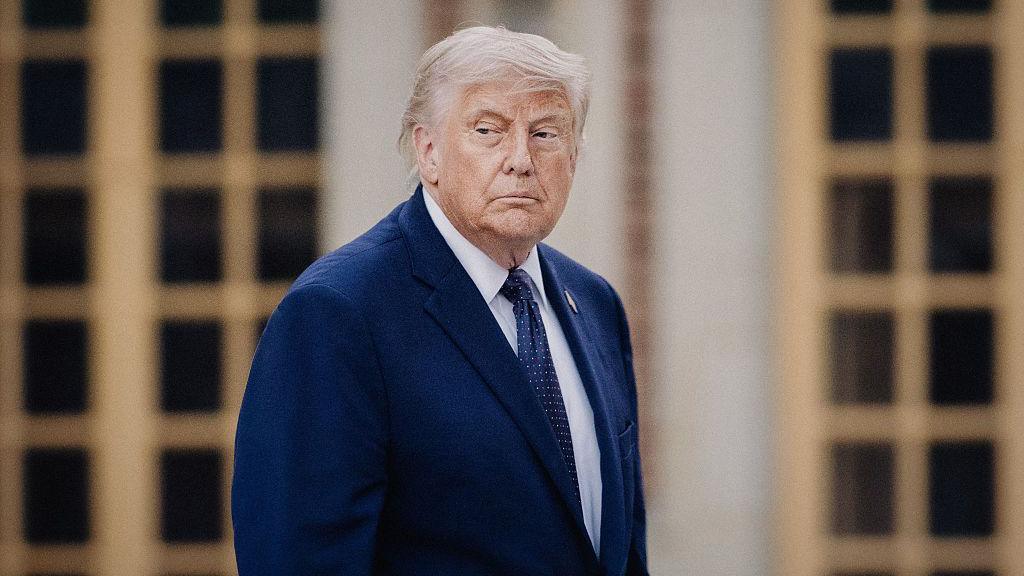
US President Donald Trump has announced that Israel and Lebanon have agreed to a 10-day ceasefire, starting from April 16, 2026. This ceasefire follows a series of escalated conflicts over the previous six weeks, notably involving Hezbollah, the Iranian-backed militant group in Lebanon. Although Trump's statement did not directly address Hezbollah, he later expressed hope for the group's compliance during this critical period on social media.
Ceasefire Agreement Highlights
The ceasefire is framed as a potential first step towards a more substantial peace agreement, with both sides having the opportunity to extend it should negotiations advance positively. Among the provisions outlined in the agreement:
- Israel retains the right to defend itself at any time against imminent attacks.
- Lebanon must take concrete actions to prevent Hezbollah and other armed groups from attacking Israel.
- Both parties acknowledge that Lebanese security forces are responsible for the security of Lebanon.
- Continued US facilitation in discussions to resolve outstanding issues is requested.
Reactions from Leaders
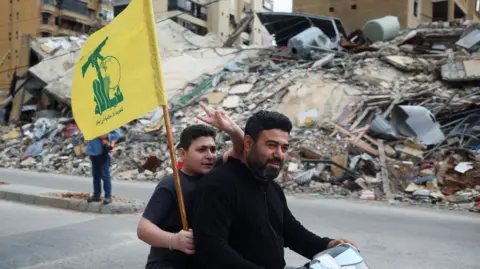
Israeli Prime Minister Benjamin Netanyahu called the truce an opportunity for a historic peace agreement, while Lebanese Prime Minister Nawaf Salam expressed hope for displaced individuals to return home as a result of this agreement. Hezbollah has signaled a willingness to accept the ceasefire but insists on broader terms, including a complete cessation of attacks and restrictions on Israeli military movements.
International Responses
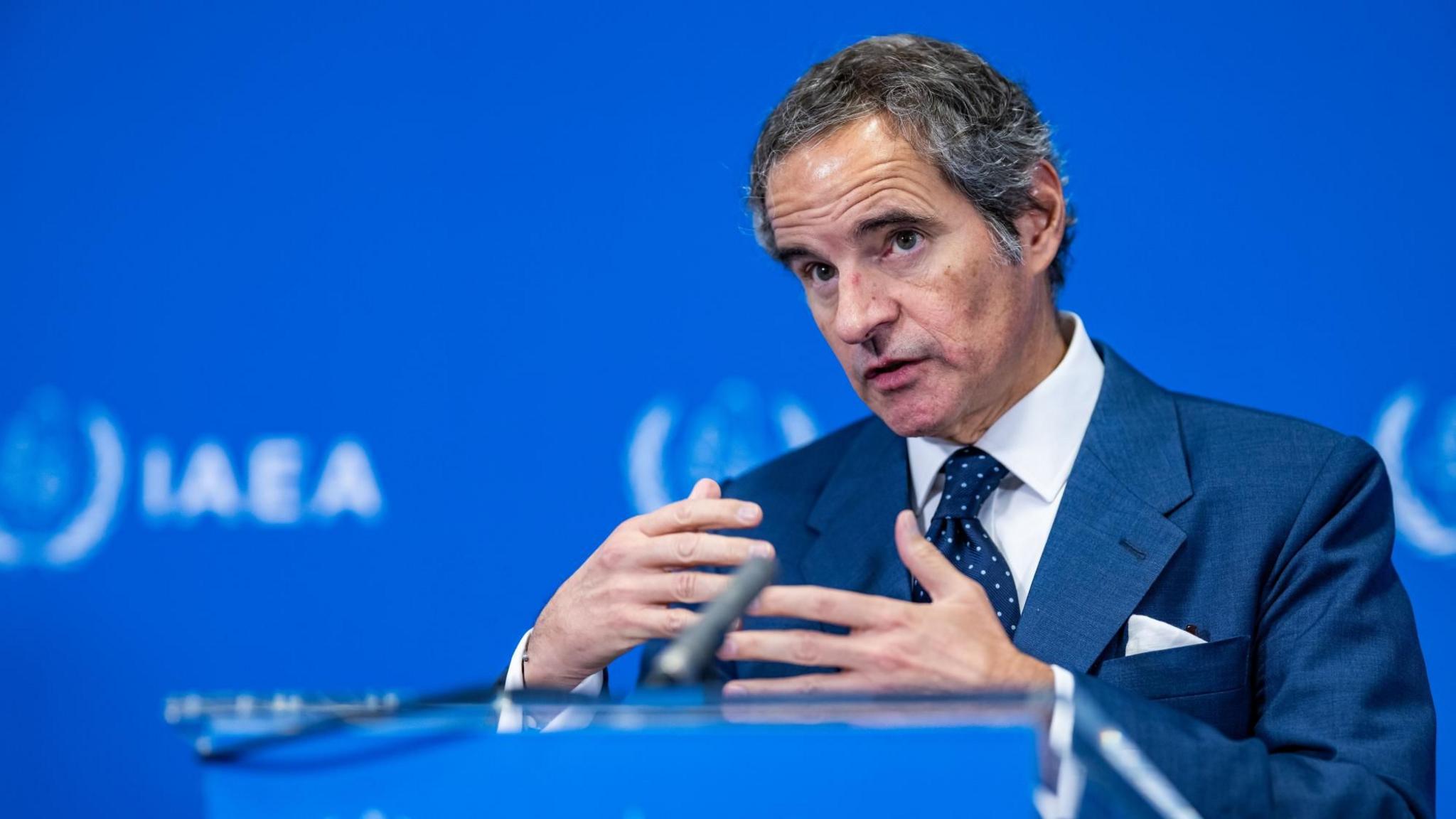
Iran's foreign ministry welcomed the ceasefire. UN Secretary General António Guterres praised US efforts in facilitating the agreement, urging all parties to comply with international law. The European Commission's President, Ursula von der Leyen, expressed relief and advocated for the respect of Lebanon's sovereignty.
Israeli Military Presence
Despite the ceasefire announcement, Netanyahu reaffirmed that Israeli forces would maintain a 10km security zone in southern Lebanon, emphasizing this is crucial to preventing further invasions. This reiteration follows Israel's re-entry into southern Lebanon in response to Hezbollah's prior strikes.
Negotiation Context
This ceasefire emerged from direct talks held in Washington, although the involvement of Hezbollah in these discussions remains unclear. The situation illustrates ongoing complexities, as Netanyahu discloses that Hezbollah sought two conditions for peace: a pullout of Israeli forces and a 'quiet for quiet' principle.
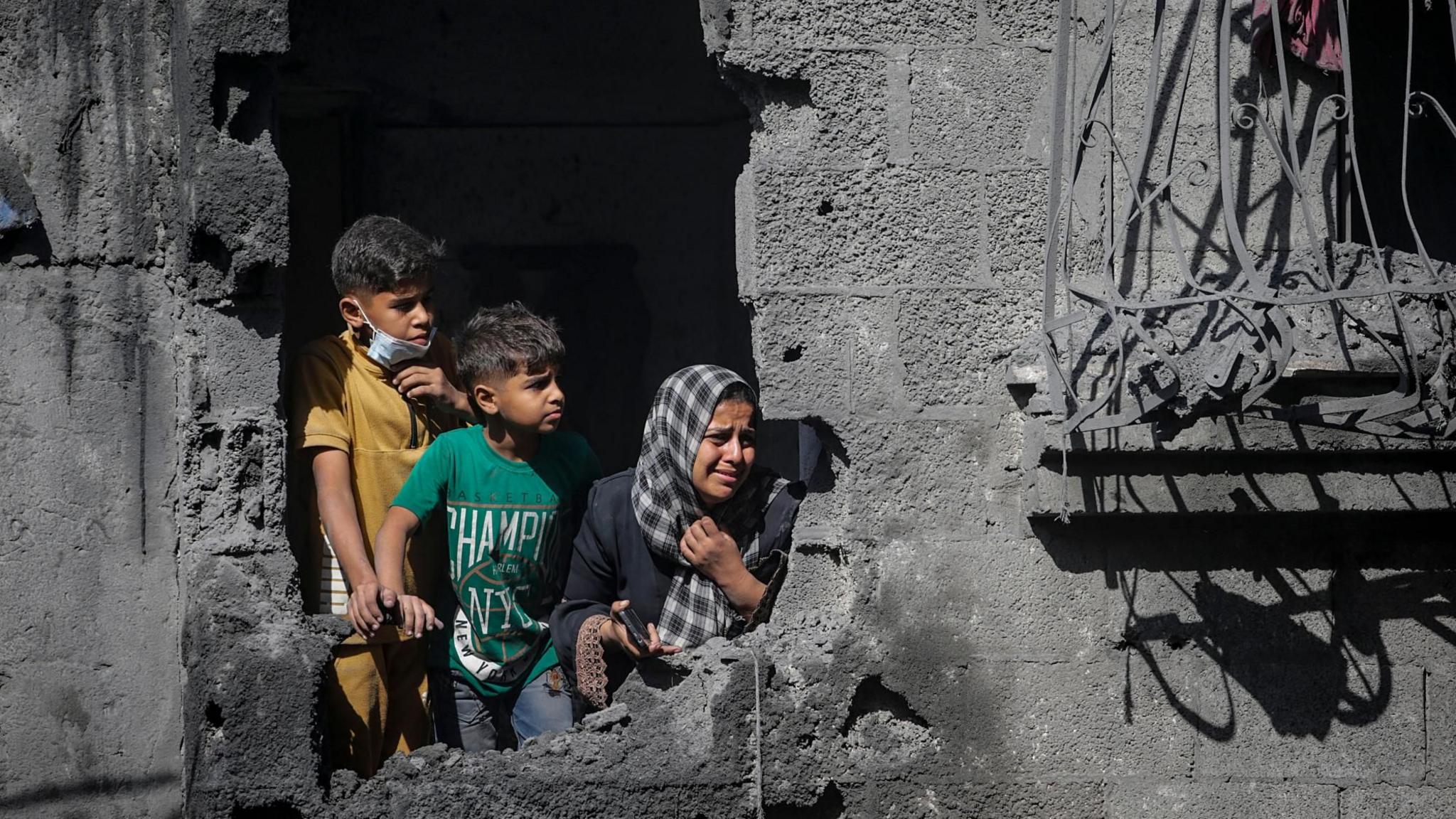
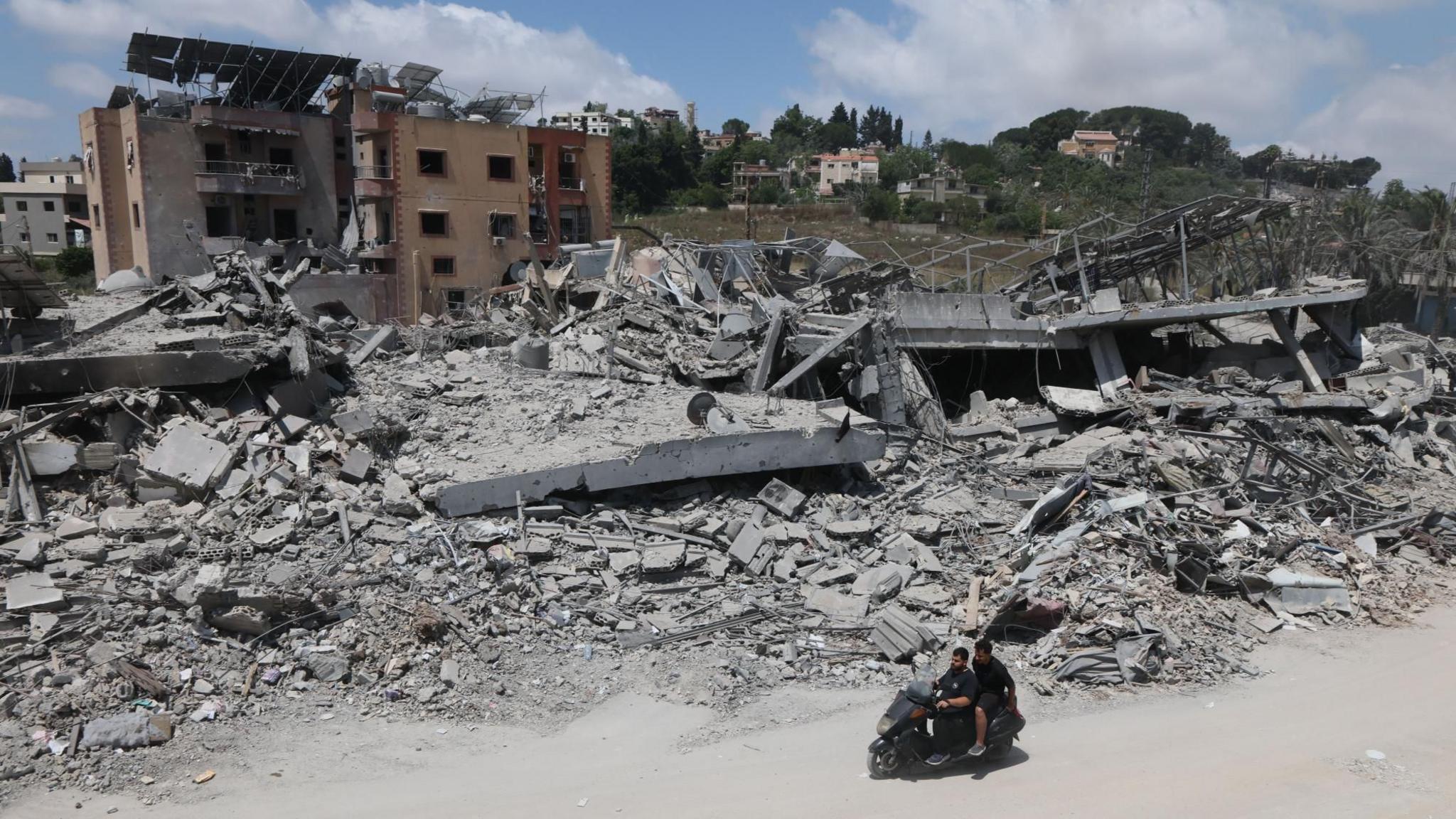
The conflict has led to significant casualties, with over 2,100 deaths in Lebanon amid continuous cross-border hostilities. Many hope this ceasefire will create a supportive environment for lasting negotiations.