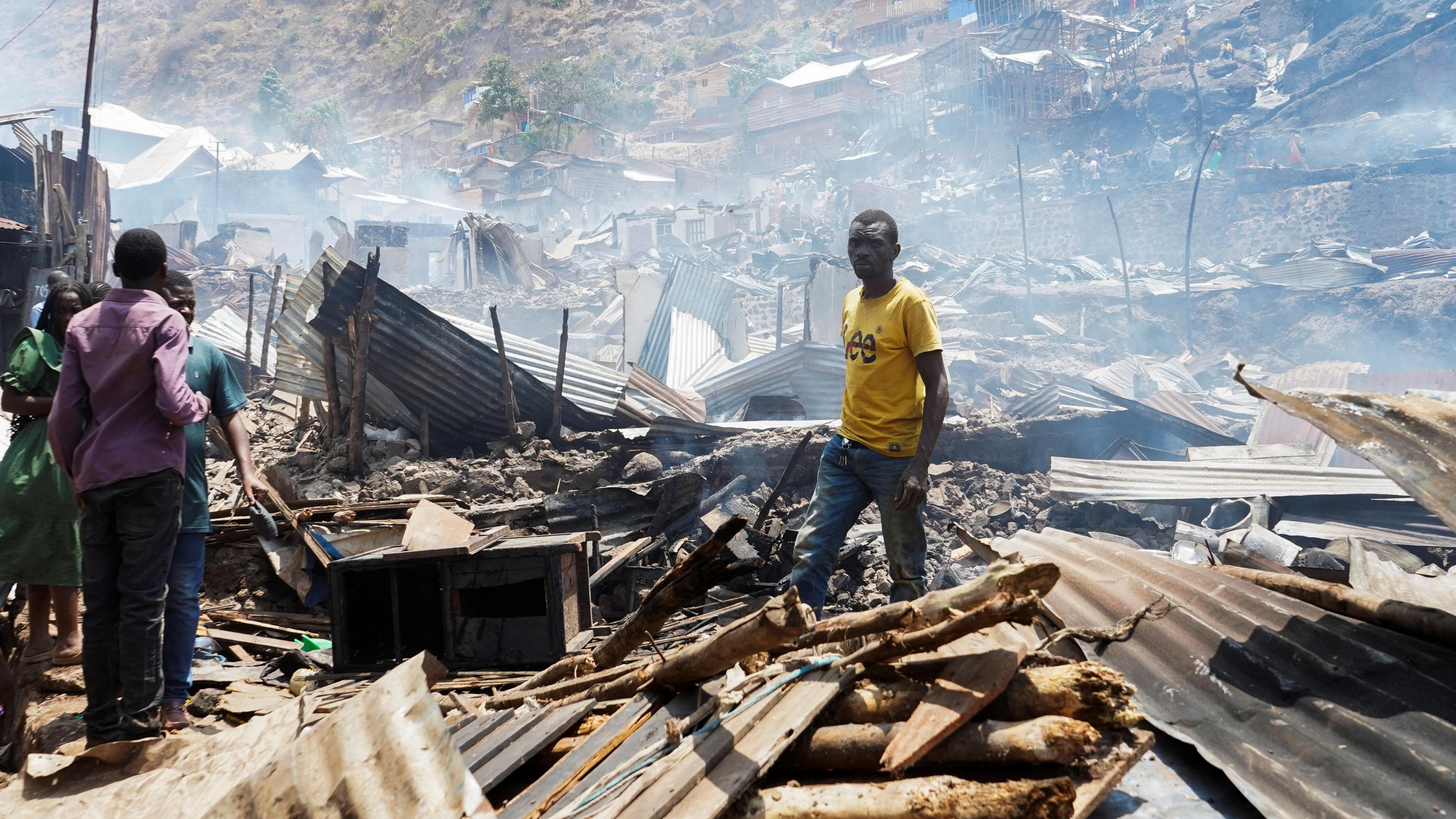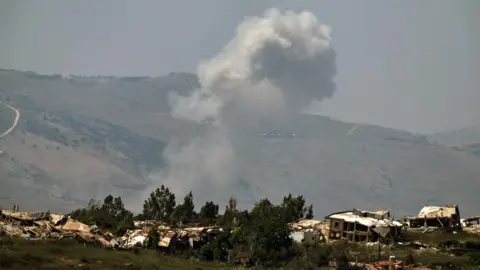
Israeli forces mounted fresh drone and jet strikes in southern Lebanon, according to local state media, despite President Donald Trump’s recent criticism of Israel’s military conduct in the region. The attacks, which occurred on Wednesday, targeted the towns of Mansouri, Aaziyyeh, Nabatieh al‑Fawqa and Kfar Tebnit, and reportedly injured several civilians. The Israeli military has not issued an official statement but noted that five soldiers were wounded in a separate drone attack by the Iran‑backed group Hezbollah.
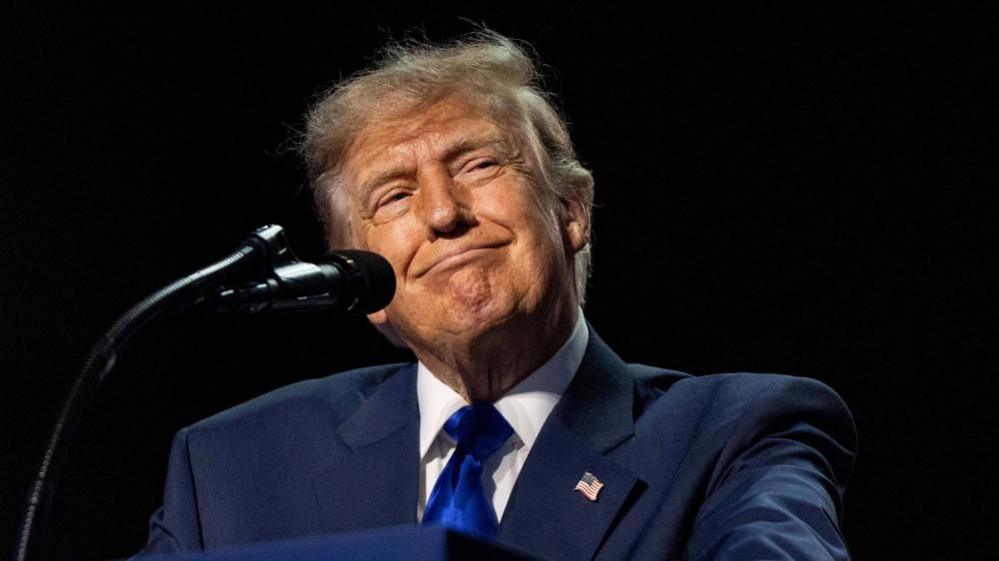
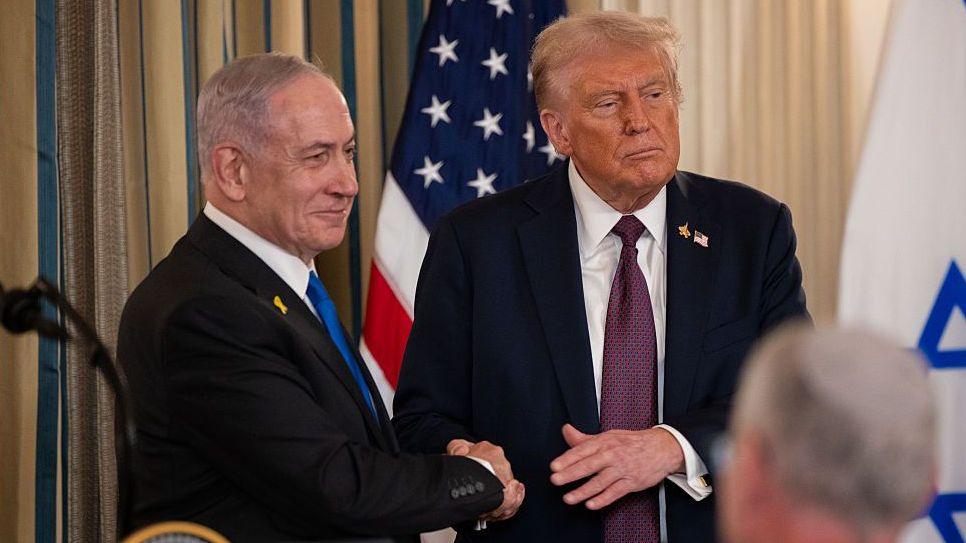
Trump, speaking at the G7 summit in France, urged Israeli Prime Minister Benjamin Netanyahu to act with greater responsibility toward Lebanon, stating that “too many people are being killed” in the ongoing battle between Israel and Hezbollah. He added that Israel had been fighting Hezbollah for “too long.” Trump also highlighted his personal relationship with Netanyahu, saying he had taken unprecedented steps to support Israel during the U.S.–Iran truce negotiations.
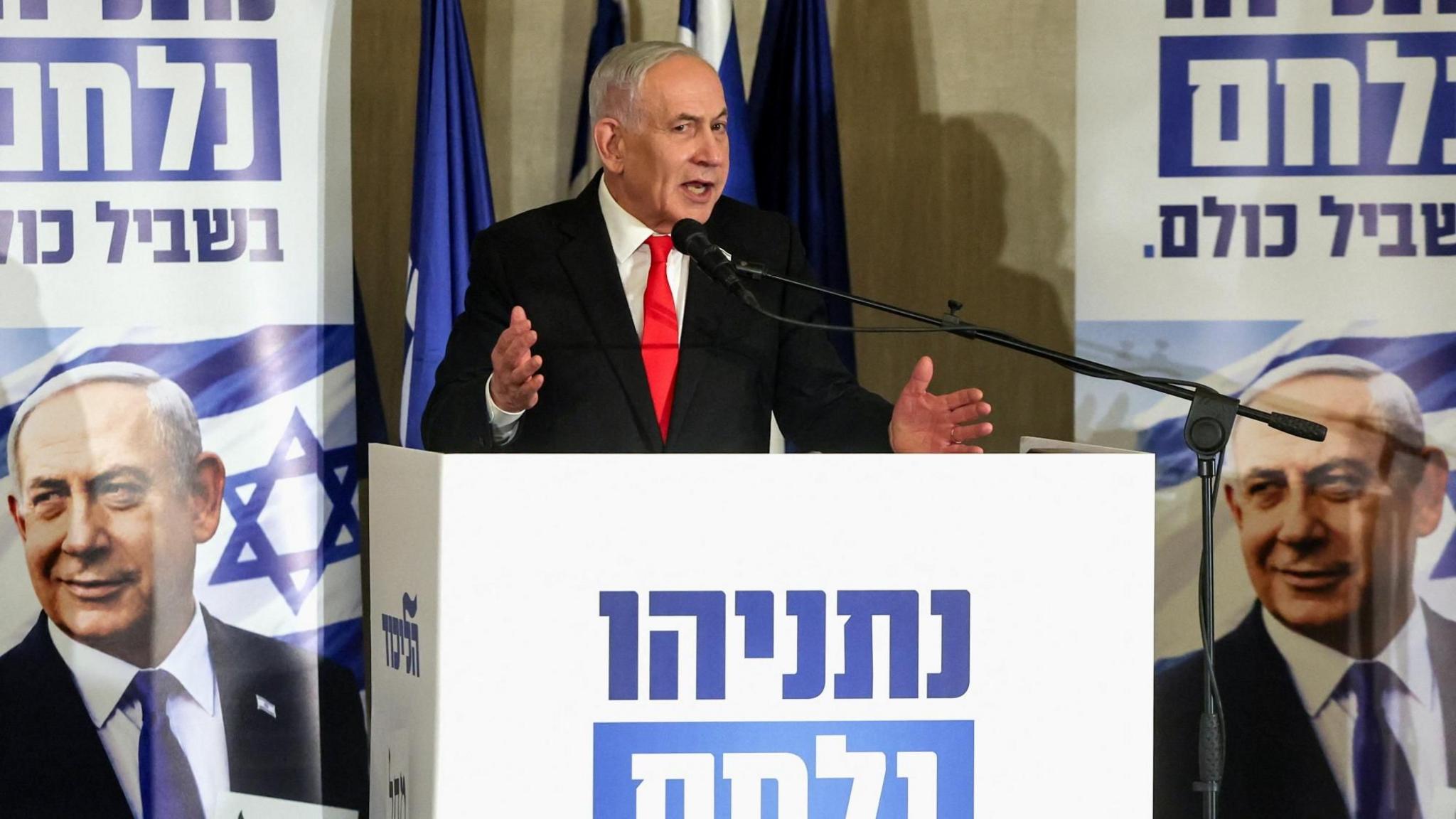
Netanyahu’s defense minister confirmed that Israeli troops would stay in Lebanon “for as long as necessary.” The latest strikes come amid the U.S.–Iran deal, a memorandum that remains unpublished but is expected to be signed in Switzerland. Hezbollah’s leader, Naim Qassem, called the agreement a “great victory” for Iran and warned Israel of a “harsh response” if it did not cease its operations in Lebanon.
Humanitarian tolls are mounting: over 3,800 people have died in Lebanon since the conflict began on March 2, 2026, though the figures do not distinguish between combatants and civilians. Israeli casualty reports indicate 30 soldiers and four civilians have fallen on both sides. The wounded civilians and soldiers in the latest attacks reflect the broader dangers that the region faces as peace talks stall.
The U.K. and other international actors have called for restraint, while Lebanon’s President Joseph Aoun emphasizes a “separate path” in negotiations, remaining open to support from Iran and other allies. As the truce negotiations unfold, the repeated military actions highlight the fragile nature of the ceasefire and the divergent interests of the involved parties.