In brief
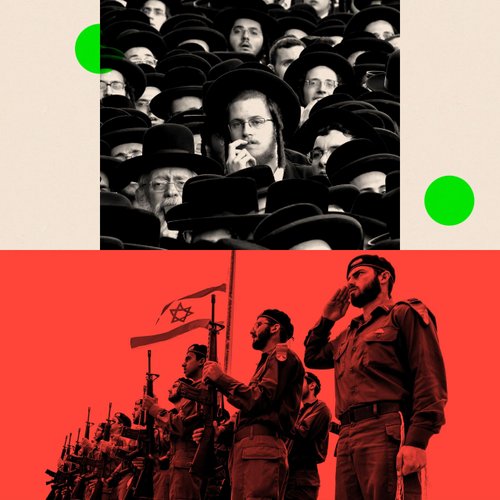
Israel’s general election is the most consequential in years, with polls showing an almost even split between Prime Minister Benjamin Netanyahu’s Likud and newcomer Gadi Eisenkot’s centrist Yesh Atid. The country, still reeling from the 7 October Hamas assault, faces a choice between fierce security rhetoric and a push for democratic reforms. All eyes are on the role of Arab parties, who could hold the balance of power in a close contest. The campaign has seen AI‑generated videos, heated debates and a wider debate about Israel’s future identity, economy and security posture.
The country’s next general election has become a flashpoint, uniting a polarised electorate around a single, urgent question – who will guide Israel’s future?
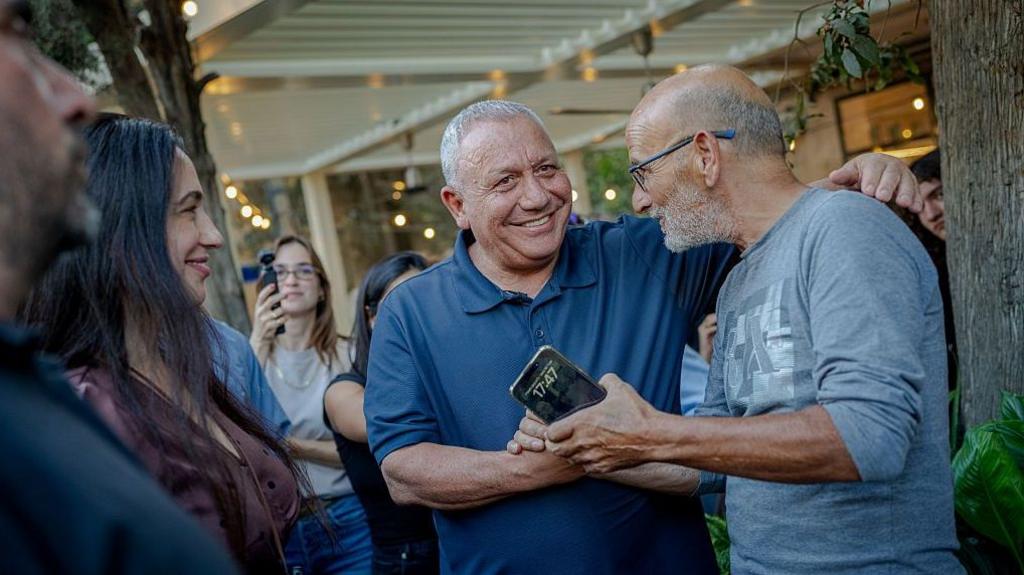
For weeks, polling has shown a nearly even contest between the long‑running prime minister, Benjamin Netanyahu, and former military chief of staff Gadi Eisenkot, who leads the centrist Yesh Atid party. Eisenkot’s calm, low‑drama approach contrasts sharply with Netanyahu’s hard‑line “no surrender” stance, and his messages have resonated with fresh faces: first‑time voters, urban youth and residents of towns such as Ramle and Sderot that were hit by the Hamas onslaught on 7 October.
The stakes are high. After the 7 October attacks – which caused millions of Israeli casualties and the loss of 251 hostages – the nation seeks a leader who can balance security with democracy. Five‑minute polling snippets reveal a spectrum of priorities, from calls for a state commission of inquiry into the attacks to demands for overhauling judicial powers.
Eisenkot has positioned himself as a “politician‑without‑a‑background” – his Moroccan heritage and service in the Israel Defence Forces make him a symbol of the middle class, while his statements on ending corruption and guaranteeing court rulings strike a chord with voters disillusioned by Netanyahu’s continuity. Yet Netanyahu’s coalition still holds a robust support base, especially among right‑wing voters who fear that rapprochement with Arab parties could compromise national security.
The electoral consortium that could tilt the balance is the Arab parties. With the possibility that they could secure enough seats to become kingmakers, a single coalition will be required to form a majority – an arrangement that would demand concessions to previously excluded political forces.
The campaign’s media strategies also reflect Israel’s technological edge: AI‑generated video clips, targeted social‑media shouts and emotional appeals have flooded the news cycle. Observers note that the demographic turnover – a surge in younger voters and immigrant populations – may shift Israel away from the extreme right that has dominated since 2020.
For voters in war‑torn locales, the choice is not just between policies but about the very nature of their state. Will the government preserve a Jewish‑democratic identity while evolving to meet the economic and social demands of a rapidly changing society? Or will it cling to security at the cost of democratic values? The elected government will shape not only Israel’s domestic life but the region’s geopolitical future for years to come.
Key Voices Among the Electorate
Local reporter Lucy Williamson captured the fervour of a 21‑year‑old Tel Aviv protester, Omri, who called for an end to corruption and a “tough stance” on security. The future of Jerusalem’s IDF families, like Lt Col Eyal Hajbi — who lost friends in the initial assault — now lean towards far‑right parties promising harsher action against Hamas.
Even veteran supporters of Netanyahu, such as Sderot resident Shlomi Bashar, emphasize the government’s record in defeating external threats as justification for staying in power. Yet critics do not shy from the realism of a coalition that must rely on Arab votes to win a majority, a prospect that could reshape Israel’s democratic fabric.
Political analysts predict that the day’s ballots could produce a deadlock requiring coalition negotiations that span beyond single‑party ideology. The backdrop of escalating tensions with Iran, potential destabilisation from Israeli settlers, and heightened civil society demands for justice will keep the political arena in flux.
In the end, the election is not just about numbers – it’s a crucible that will test Israel’s capacity for democratic resilience and its enduring claim as a Jewish and a democratic state.