In brief
Israel faces a tight general election as the far‑right gains unprecedented traction among 18‑to‑22‑year‑olds. National Security Minister Itamar Ben Gvir, long shunned by the establishment, now rallies a youthful congress of supporters in mixed‑community markets. Recent polls show more than 16% of first‑time voters plan to back far‑right parties, while social‑media savvy leaders are fighting to sway the same demographic. With the 7 October attacks still fresh in memory, Israeli politics is split between a hard‑line security narrative and a growing demand for democratic reassurance.
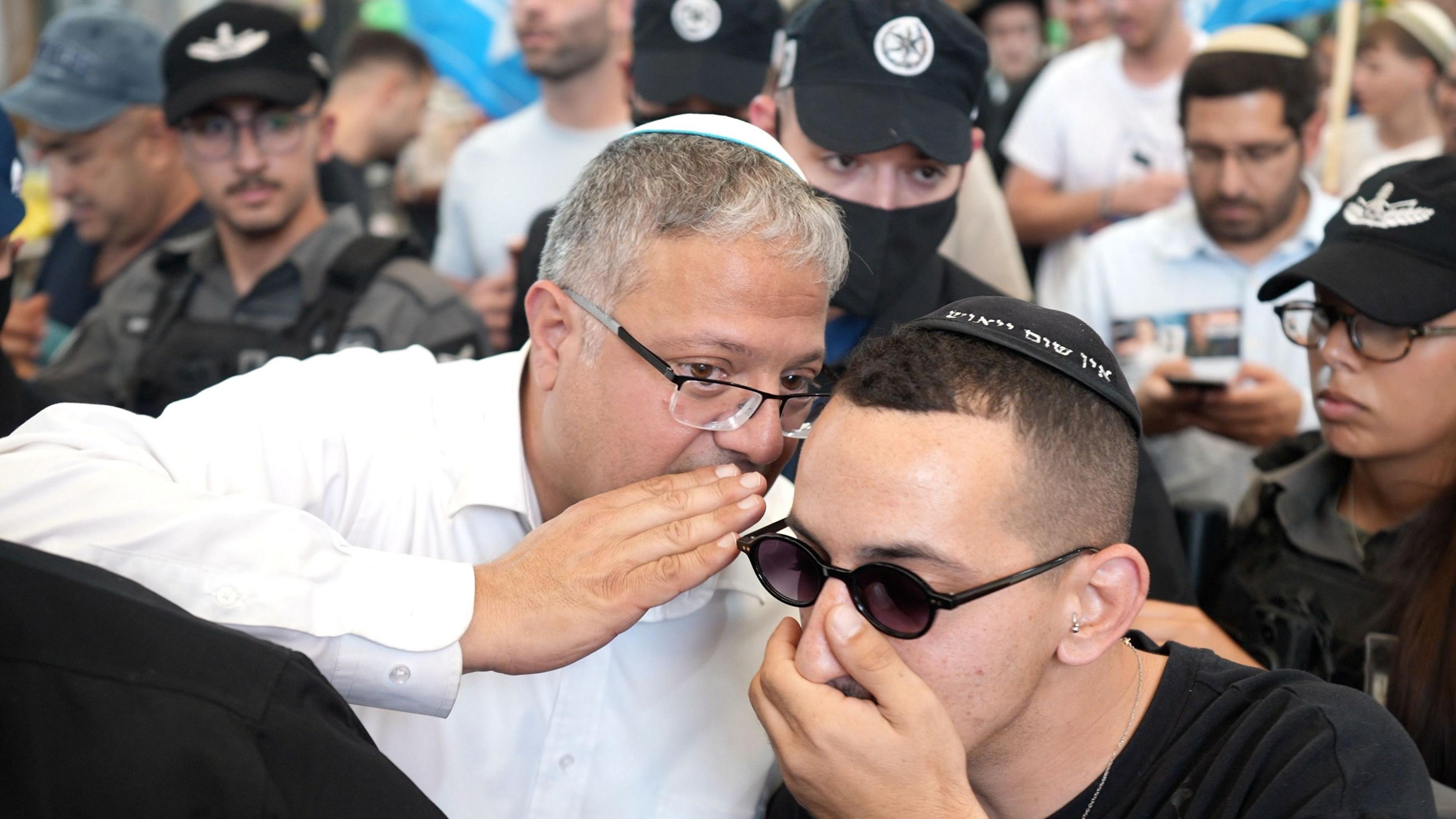
Israel’s general election next week is shaping up to be a close contest, heightened by a surge of enthusiasm from first‑time voters who are leaning toward the far‑right. National Security Minister Itamar Ben Gvir, who was once rejected from the army for political extremism, now occupies a senior cabinet seat and is fielding a generation that sees him as a bulwark of security.
On the trail, Ben Gvir is flanked by a jubilant crowd of young activists who wave bright party flags and turn the market in Ramle into a makeshift podium. He urged those new to the ballot box to cast their votes, promising that the country would earn respect and strength if its citizens showed up.
Many of the supporters are drawn to the promise of national security. A 20‑year‑old named Mordechai told reporters that his belief in Ben Gvir is rooted in a sense that the minister will make Israel safe. An 18‑year‑old named Nadav added that Ben Gvir’s leadership would give future soldiers confidence that they have an ally behind them.
The support is reflected in the numbers. One poll released by Yedioth Ahronoth shows that over 16% of first‑time voters are planning to back either Ben Gvir’s new Jewish Power party or the Religious Zionism party aligned with his ally Bezalel Smotrich. A second survey by Channel 12 indicates that nearly three‑quarters of the same demographic see themselves as right or centre‑right.
Social media has become a crucial battleground. Ben Gvir was ahead of his rivals in TikTok views and Instagram likes during the last campaign cycle. Opposition figures tried to catch up, with former prime minister Naftali Bennett’s party deliberately targeting the young audience through viral videos and online challenges.
The divide is palpable even in shared spaces. While Ben Gvir’s supporters view the 7 October attacks as a rallying point for strength, shopkeepers and residents in mixed communities like Ramle express worry that his rhetoric fuels discord among the youth.
Some critics point to the lack of participation in mainstream political engagement among young Israelis, noting that only about 59% of Tel Aviv’s liberal voters turned out in the 2022 election. Yet campus protests and student debates have shown that the younger generation is still deeply divided and keen to decide the country’s future direction.
As Israel moves toward next week’s vote, the turnout of young voters could tip the balance. Whether they reward the hard‑line posture of the far‑right or push back toward more centrist parties, the outcome will shape the nation’s security policy and the global perception of its democracy.