In brief
Jantar Mantar in Delhi, long a sanctuary for protestors, has been removed as an official demonstration site by police, a move that could push dissent further from government halls. The decision follows high‑profile actions by the Gen‑Z‑led Cockroach Janta Party, which successfully forced the resignation of the education minister and later faced a crackdown after a march for the election chief. Protesters and activists argue the change puts financial and logistical barriers in front of ordinary voices, while critics contend it is a necessary response to crowd control. The Supreme Court now weighs challenges, and opposition leaders vow to reclaim the space, leaving the future of Jantar Mantar uncertain.
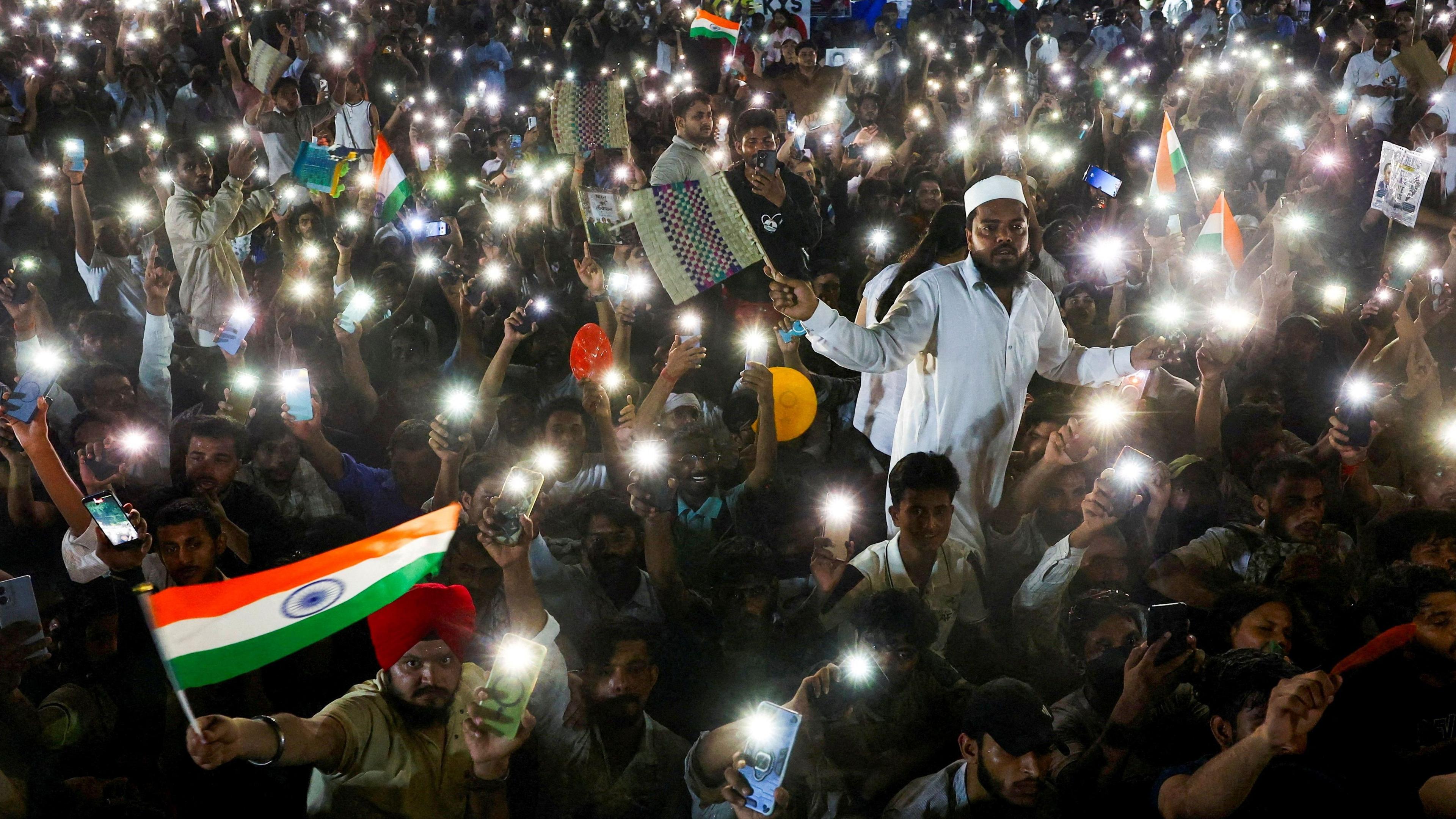
What is the point of a protest? To raise a voice against injustice, draw attention to a cause, or make authorities uncomfortable enough to listen. For more than three decades, Delhi’s tree‑lined road beside the 18th‑century astronomical observatory Jantar Mantar has housed such gatherings. Now that the Delhi Police have declared the area a non‑protest zone, the familiar scene of banners, chants and flashlights has grown silent.
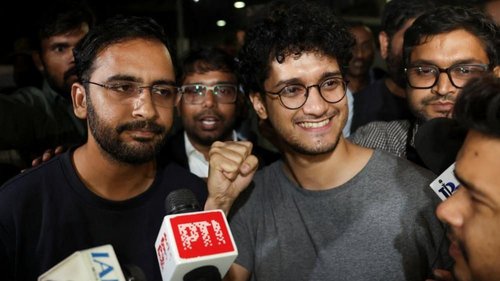
The ruling came after the Gen‑Z‑led Cockroach Janta Party, a satirical collective, staged a massive demonstration in July 2026 demanding the resignation of federal education minister Dharmendra Pradhan. Tens of thousands turned up, and Pradhan quit. Police then barricaded the site, and when supporters tried to march again for the election chief, authorities cracked down.
Protesters are now directed to three alternate locations, two of which are far from parliament and the third, the Ramlila Ground, charges tens of thousands of rupees a day. Compared to the free Nest Ground at Jantar Mantar, the new sites may limit access for ordinary citizens and shift dissent further from the seat of power.
The history of Jantar Mantar as a protest hub stretches back to 1993 when the Congress government moved demonstrations from the Boat Club lawns to this spot. Over the years, the site has seen farmers, students, grieving parents and ex‑soldiers rally under its trees. Rachna Dhingra’s six‑month camp in 2008 demanded justice for Bhopal gas‑leak survivors, while ex‑servicemen staged protests in 2015 against delays in pension scheme implementation.
Academic Dipa Sinha noted that the proximity to Parliament, the Press Club and other institutions made Jantar Mantar a natural forum for policy debate and media exposure. She recalled how activists could gather, discuss and strategise after confronting government offices. Yet infrastructure woes and increased regulation have made night‑stay camps impossible, further stifling long‑term mobilisations.
Both supporters and critics of the site’s closure point to its symbolic value. Oppositional leaders such as Rahul Gandhi declare it belongs to the people and will be reclaimed, while police argue the move follows a Supreme Court directive to redistribute protests to better‑infrastructure locations. The final outcome hinges on ongoing legal challenges, but the quiet street outside the parliamentary complex may not echo with slogans again for some time.