In brief
In late August a sharp rise in jellyfish populations off the coast of northern France clogged filtration systems at the Gravelines nuclear power station, leading EDF to shut down half of its six reactors. The incident compounded earlier closures at the same site and highlighted the vulnerability of cooling-dependent power plants to marine life. EDF cited warmer waters that boost plankton, thereby drawing jellyfish higher. Although rare, similar episodes have affected other European plants, such as Torness and Oskarshamn. Measures including partnerships with fishermen to redirect jellyfish outward are being explored.
Jellyfish Swarm Forces Partial Shutdown of France’s Gravelines Nuclear Plant
A massive influx of jellyfish has driven the partial shutdown of a nuclear reactor in northern France.
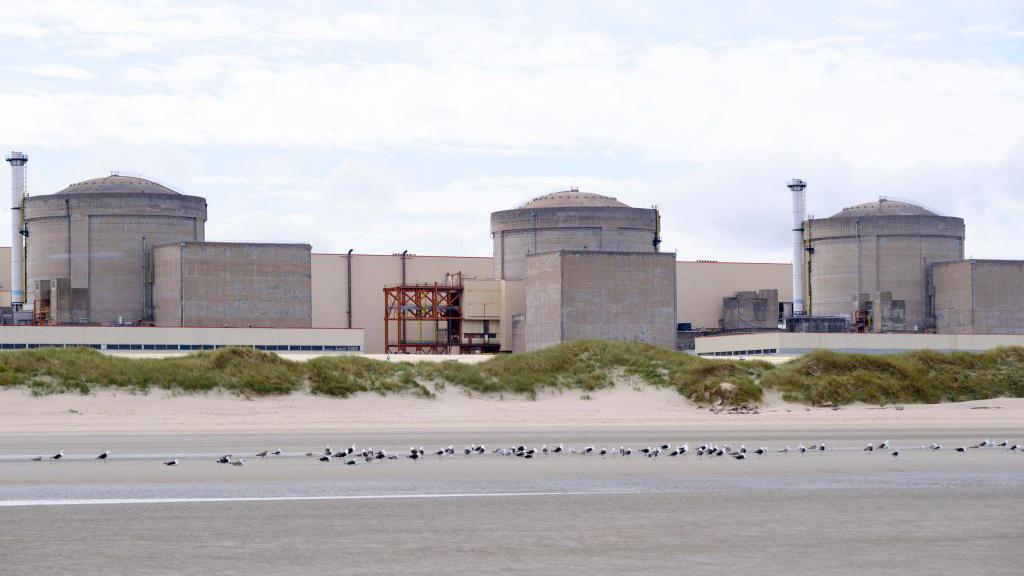
The Gravelines nuclear power station, located between Dunkirk and Calais in the Hauts-de-France region, has six 900-megawatt units. Two of these units were shut down on Wednesday and Thursday because jellyfish clogged the seawater filtration system that cools the reactors, according to Électricité de France (EDF). A third unit had been closed since 10 August for the same reason, and a fourth was temporarily offline for inspection.
EDF announced that units three, four and six were now shut. Unit three had only been reconnected to the grid on 18 August after the first wave of jellyfish earlier this month, while units one and two were operating at reduced power as a preventive measure.
Gravelines’ cooling system draws water from a canal connected to the North Sea. Several jellyfish species, native to the area, become more active during warm months, as increased plankton levels on the surface attract them. This natural phenomenon escalated the supply of jellyfish to the plant’s filtration system.
To mitigate future incidents, EDF is collaborating with local fishermen to catch and release jellyfish further offshore. Similar problems have emerged elsewhere, such as at the Torness plant in Scotland in 2011 and the Oskarshamn plant in Sweden in 2013, though such cases remain infrequent.