BALTIMORE (AP) — Kilmar Abrego Garcia can spend Christmas with his family after spending much of the year in custody.
U.S. District Judge Paula Xinis issued an order requiring government attorneys to file a brief by Dec. 26 on whether they plan to take him back into immigration custody and under what legal authority. His attorneys have until Dec. 30 to respond.
A temporary restraining order preventing Immigration and Customs Enforcement (ICE) from detaining Garcia remains in place.
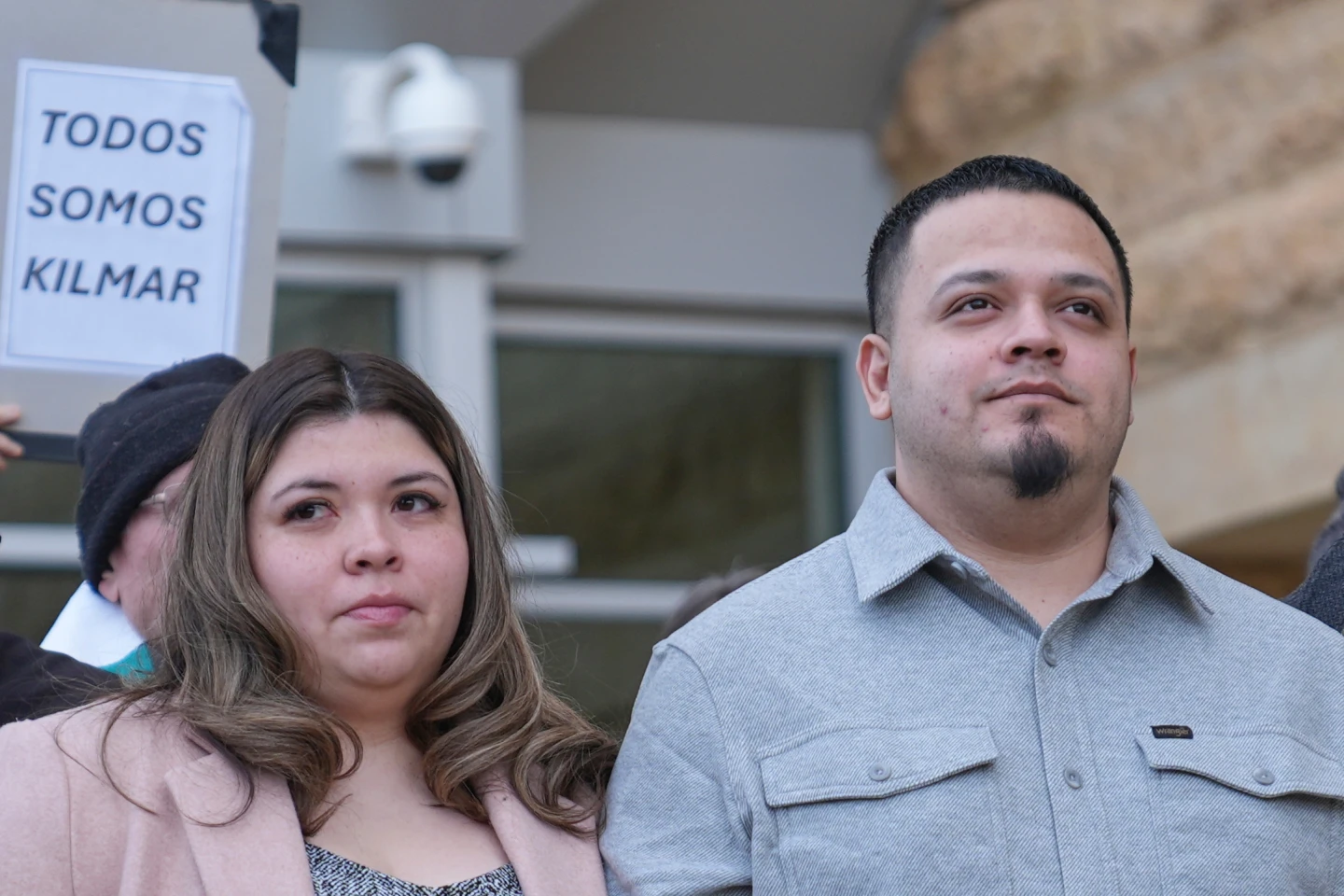
“This decision means Kilmar gets to sleep in his own bed in the next coming days without the fear of being separated from his family and community in the middle of the night,” stated Lydia Walther-Rodriguez, an organizer with CASA, a community group.
Garcia's case has become a focal point of the immigration debate as he fights to remain in the U.S. after a mistaken deportation to El Salvador, where he faced imprisonment. Members of the Trump administration accused him of belonging to the MS-13 gang, which he vehemently denies, asserting he has no criminal record.
With an American wife and child, Garcia has lived in Maryland for years, however, he entered the U.S. illegally as a teenager. In 2019, an immigration judge granted him protection against deportation, recognizing the danger he faced from gangs targeting his family. Unfortunately, he was mistakenly deported to El Salvador in March.
Faced with public pressure and a court mandate, the Trump administration brought him back to the U.S. in June amidst a set of controversial circumstances. He was held in Tennessee before being released to await trial with his family in Maryland, but swiftly found himself detained again by ICE before being released by the court order on Dec. 11.
Xinis has expressed skepticism about the government's ability to provide a legitimate plan for Garcia's deportation. Attempts to send him to various nations, including Uganda and Ghana, have not advanced, despite Garcia's willingness to be sent to Costa Rica, raising questions about the administration's immigration practices.
This ongoing situation underscores the challenges individuals frequently encounter within the U.S. immigration system and the pressing need for reform as advocates continue to fight for the rights and welfare of immigrants.