Judge sentences Gilgo Beach serial killer Rex Heuermann to life in prison

In a courtroom in Riverhead, Judge Timothy Mazzei handed Rex Heuermann, the alleged killer of eight women on Long Island’s Gilgo Beach, the maximum crime‑of‑the‑day sentence. He is to serve three life terms for first‑degree murder, followed by four additional consecutive sentences ranging from 25 years to life for second‑degree murder charges.
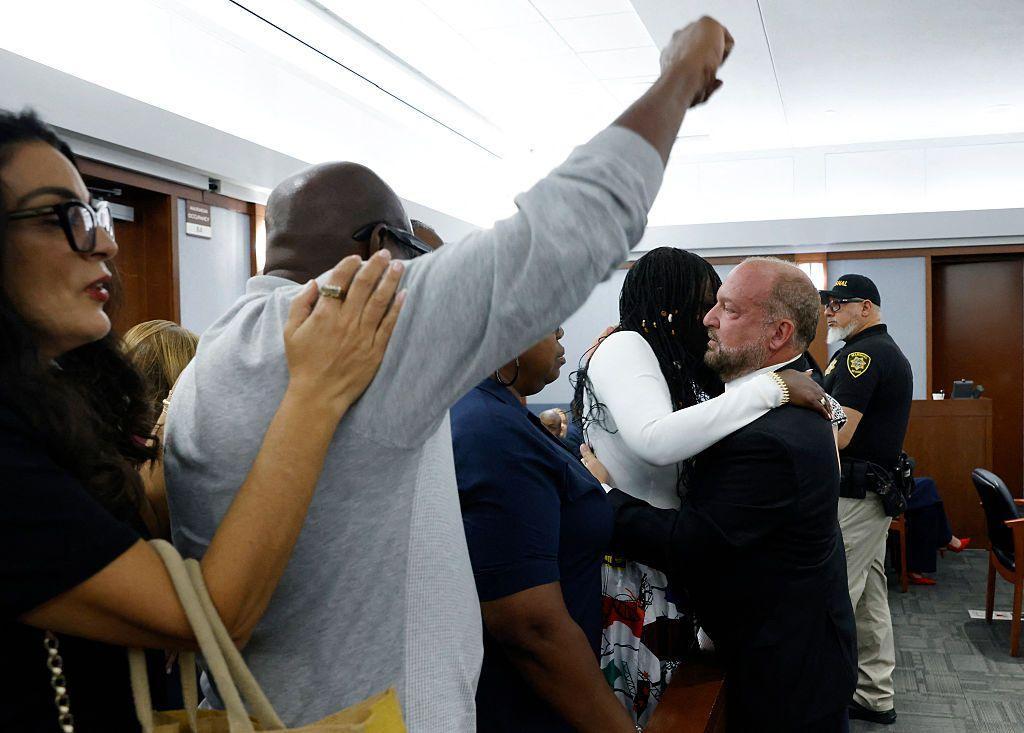
The sentencing followed a series of emotionally charged victim impact statements that described the lasting grief and devastation inflicted on families. Judge Mazzei’s remarks — "Get him out of here" — echoed the courtroom’s collective anger and underscored the community's demand for finality.
Heuermann, who was sentenced in June 2026, admitted responsibility for the murders of Melissa Barthelemy, Megan Waterman, Amber Costello, Maureen Brainard‑Barnes, Jessica Taylor, Valerie Mack, Sandra Costilla and Karen Vergata. He confirmed he strangled, bound and scattered their bodies along secluded beaches between 1993 and 2010.
The case drew criticism for delayed action by local police; investigators initially overlooked the victims' status as sex workers, a factor residents say allowed the murders to go undetected for years. In 2022, a new task force, combining federal and local resources, pinpointed Heuermann’s paper trail in six weeks and led to his arrest in 2023.
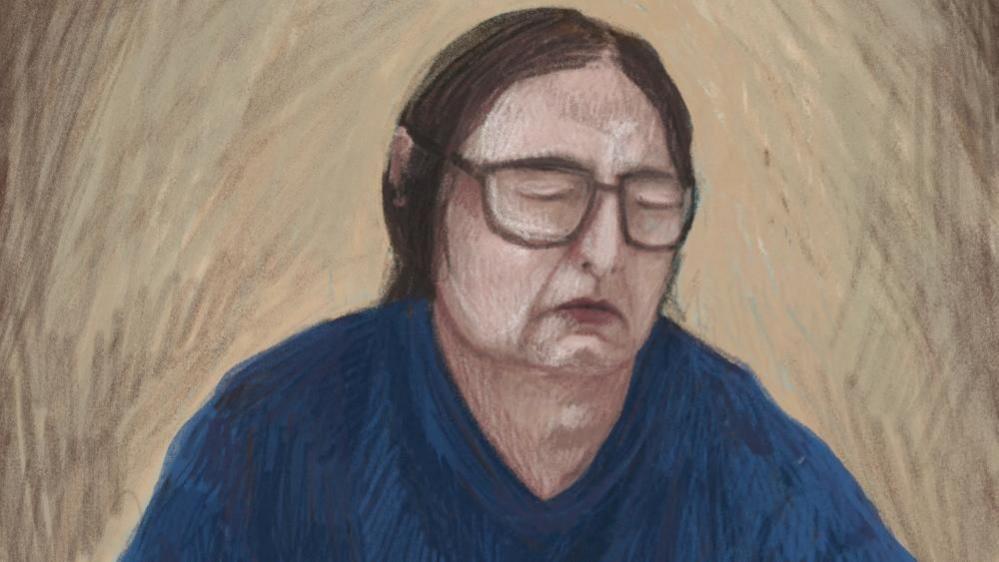
During the hearing, Heuermann offered a brief apology. When asked whether he was sorry, his reply was a single "yes" that meant little in the face of the murders' gravity.
Family members expressed that the violence forever altered their lives, with some survivors recalling childhood trauma and the loss of a mother or sister. The judge’s decision was followed by praise from Suffolk County District Attorney Ray Tierney, who urged families to move forward and heal.
The sentencing marks the culmination of a complex, decade‑long investigation that ultimately held Heuermann accountable for the deaths of eight women, many of whom had been marginalized as sex workers. The case raises questions about how society protects vulnerable populations and how justice is served against powerful offenders.