In brief
Kenya's health ministry announced a 65‑year‑old woman's death, the second Ebola casualty since the disease was detected in the region. The patient died after quarantine, amid a cluster linked to a man who traveled from the Democratic Republic of Congo. Kenya has stepped up travel screening and engaged regional partners, but the strain has no approved vaccine. The case underscores the need for coordinated global surveillance amid rising fears of cross‑border spread.
Kenya has recorded its second death from Ebola as it handles its first ever outbreak of the disease. The victim, a 65‑year‑old woman and close family member of the earlier case, died after developing symptoms while under quarantine.
The first death on 5 October followed a man who had returned from the Democratic Republic of Congo (DR Congo) after seeking treatment in several Congolese hospitals. Both cases belong to a single transmission cluster, with authorities reporting no evidence of community spread.
Ebola remains a rare but lethal virus that can cause vomiting, diarrhoea, organ failure and sometimes internal or external bleeding. The Bundibugyo species involved in this outbreak has no approved vaccine and treatment is still experimental, although clinical trials are underway.
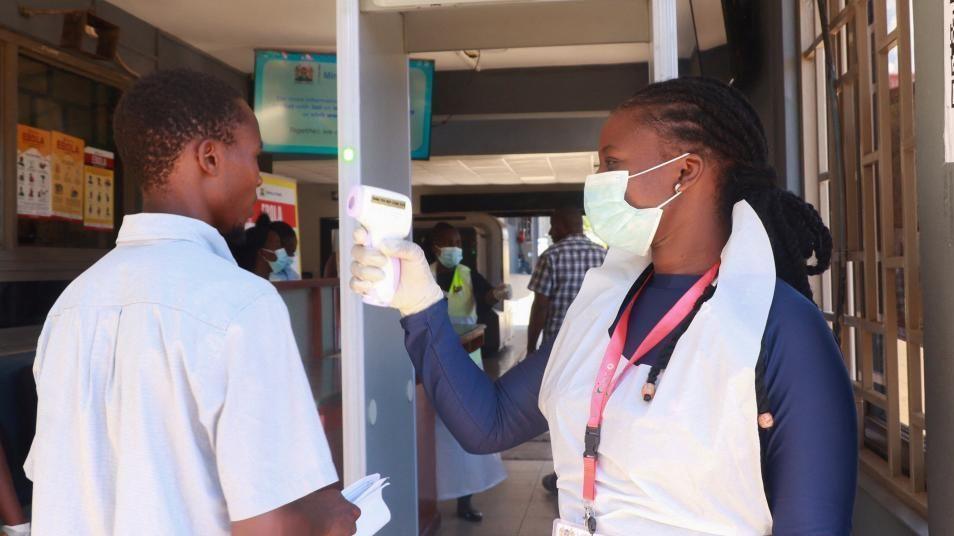
Kenya’s response has centred on heightened border inspection. Travelers arriving from DR Congo and nine other high‑risk countries must now complete a digital surveillance form and present a QR code on arrival. Authorities have also tightened screening of inbound aircraft and are running public awareness campaigns that encourage early reporting and prompt hospital care.
The outbreak has prompted regional fallout: Uganda has barred transit through its airports for passengers travelling to DR Congo; Ethiopia and Somalia have placed their populations on alert, and the United States has issued a travel advisory warning its citizens against visiting Kenya.
Health officials note a genetic link between Kenya’s second case and a single Ebola case that has just been confirmed in Nigeria. Both patients appear to have passed through Uganda’s Entebbe airport earlier this month, highlighting how porous borders can facilitate cross‑regional spread.
The social and cultural impact is already evident: small communities near Nairobi report heightened anxiety, and traders fear disruptions to cross‑border commerce. Media coverage has sparked widespread concern, prompting leaders in Kenya to stress that the virus is under control within the defined cluster, yet the risk of future cases remains.
International bodies such as the World Health Organization and the International Rescue Committee have pledged support, underscoring the necessity of sustained surveillance, rapid diagnostics, and community engagement to curb the spread.