In brief
In a short video posted on her daughter Kai’s Instagram, the former wife of Donald Trump Jr. confirmed she is now cancer‑free following a breast‑cancer diagnosis announced earlier this year. Vanessa revealed surgery, a treatment team and post‑test clearance, and will release a longer YouTube discussion on prevention and awareness. The post drew thousands of likes and supportive comments, including from Mary Millben, and timed to coincide with Breast Cancer Awareness Month. The story highlights the overall risk of breast cancer—13 % of U.S. women—and the role of surgery, chemo, radiotherapy and newer targeted therapies in improving outcomes.
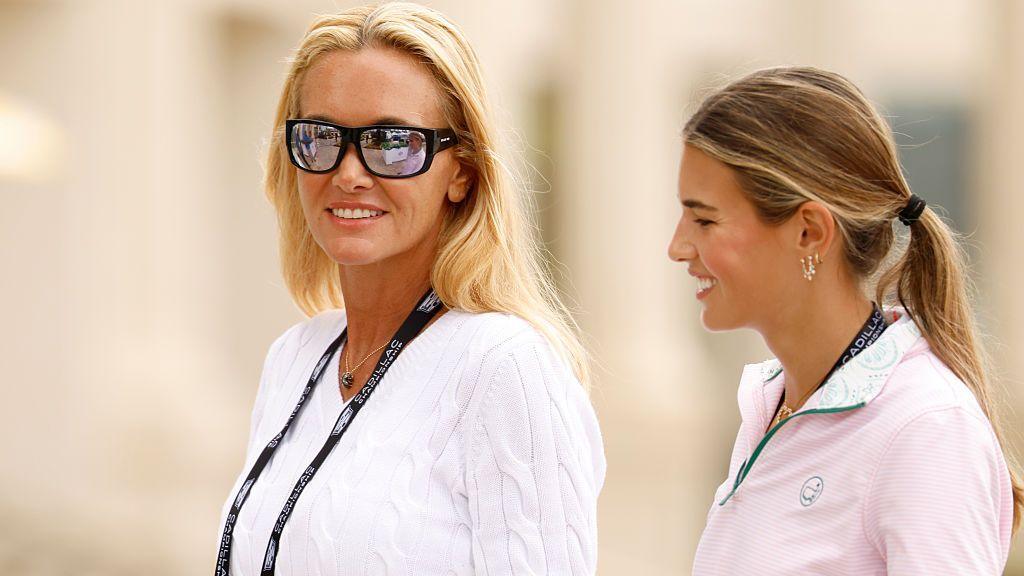
Vanessa Trump and her 19‑year‑old daughter Kai.
In a short video posted on her daughter Kai’s Instagram account, the former wife of Donald Trump Jr. confirmed she is now cancer‑free after a breast cancer diagnosis earlier this year.
Vanessa, 48, first discovered a lump in April and publicly announced the diagnosis in May. She described undergoing surgery and working with a medical team on a treatment plan.
In her clip, she said the subsequent tests “came back clear,” and she will release a longer YouTube video on Saturday to discuss her journey, breast‑cancer awareness, and prevention. Kai’s caption highlighted October as Breast Cancer Awareness Month and emphasized early detection, education, and support.
The post received over 20,000 likes and many supportive comments, including from singer and media personality Mary Millben.
According to the American Cancer Society, approximately 13 % of U.S. women will develop breast cancer, representing 30 % of new female cancers annually. While surgery can cure most cases, additional treatments such as chemotherapy, radiotherapy, and endocrine therapy help reduce long‑term risk.
Recent advances include targeted therapies for early disease, new hormone options, and precision radiotherapy, giving patients better chances for recovery.