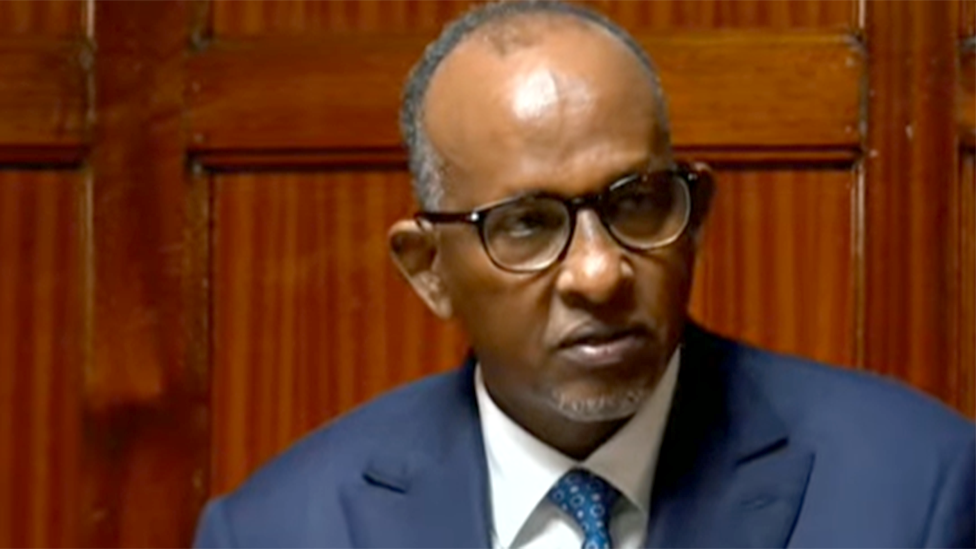
Kenya’s former health minister, Aden Duale, announced on Tuesday that construction of a US‑funded Ebola quarantine facility in Nanyuki had been stopped after a High Court judge declared he had defied a court order. The decision followed the minister’s appearance in court, where he apologized for allegedly ignoring the judge’s instructions, and the court’s ruling that the facility was illegal until a rights‑group case could be heard.
The 50‑bed centre was intended to isolate American patients suspected of contracting Ebola in the Democratic Republic of Congo, to keep the virus away from Kenyan communities. In the months leading up to the halt, satellite data confirmed that tents had been erected and the site had been paved, even though a court order had called for a halt to building activities.
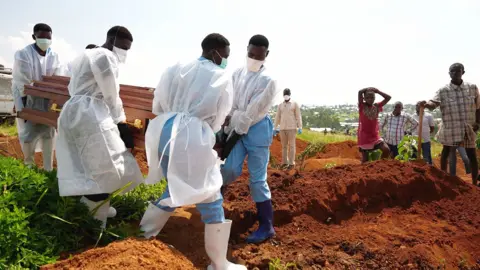
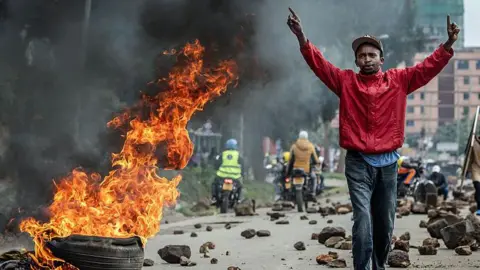
Local residents in Nanyuki, a town 140 kilometres north of Nairobi, protested the planned site, arguing that it could be a gateway for the disease. Police actions to disperse demonstrators turned violent – three protestors died, including 17‑year‑old Sylvester Muigai Ndung'u, whose family, and others, claim that the police used lethal force. The fatalities have prompted calls for an investigation into police conduct.
In his court appearance, Duale stated that he had “directed the immediate and complete cessation” of work at the site and that he would not defy a court order again. He said the decision was based on scientific advice and that the facility’s remote location at a military airbase, situated far from populated areas, reduced any risk of infection spread.
President William Ruto, who had earlier defended the project by saying he had received a US request and that rejecting it would be “inhuman,” urged Kenyans not to politicise Ebola. He also warned politicians against reckless commentary.
The court’s decision to warn Duale, instead of imposing a custodial sentence, reflects the delicate balance between enforcing legal compliance and addressing public health concerns. Rights groups warned that the project posed “grave and imminent risks” to public health and that the judicial order could not be circumvented by re‑characterising the construction as a Kenyan initiative.
The US has pledged $13.5 million in aid for Kenya’s Ebola preparedness, part of a broader $112 million commitment in the region. The controversy highlights the tension between international cooperation in pandemic response and local community rights, demonstrating how high‑profile health infrastructure can become a flashpoint for political, legal, and social conflict in Kenya and beyond.