King Charles pays tribute to David Hockney as Britain mourns icon
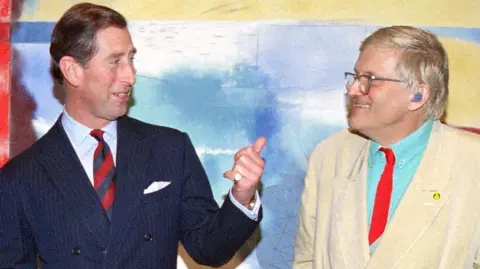
The former Prince of Wales, now King Charles, sent a personal message to the public, saying he and the Queen were “greatly saddened” by the death of a “giant of the world of art and painting, a Yorkshireman through and through, a dear friend and inspiration to so many”.
Reactions from art and political leaders
Prime Minister Sir Keir Starmer described Hockney as “one of Britain’s most celebrated artists”. Labour peer Lord Cashman highlighted the artist’s role in early gay‑rights charity and his “truth‑speaking” stance. Mayor Sadiq Khan called Hockney a true icon, praising his vivid paintings of nature and their role in raising public awareness about environmental protection.
The Tate Museum statement noted the painter’s 70‑year career, his pioneering use of digital media and his influence on generations of artists worldwide. Two major exhibitions are planned for 2027: a seven‑decade survey at Tate Britain and a multimedia installation in Tate Modern’s Turbine Hall.
Tribute from fellow artists
Fellow artists such as Tracey Emin recognised Hockney’s ability to shift British artistic perception while “flying the flag” for LGBTQ+ visibility. Grayson Perry highlighted his early “dour English palette” that evolved into “a poet of the spring” after the US experience. Antiques Roadshow expert Frances Christie and art historian Richard Morris praised his mastery of colour and his “effortless” approach to serious painting.
Early life and career highlights
Born in 1937 in Bradford, Hockney trained at Bradford School of Art and later at the Royal College of Art, graduating with gold medal distinction. He gained early fame for swimming‑pool landscapes in California, followed by landmark works such as “A Bigger Splash” and the portrait “Mr and Mrs Clark and Percy”. His later career included the use of iPads to paint in Normandy during the pandemic, influencing contemporary digital art practices.
Legacy and remembrance
Hockney’s family survived him include his partner Jean‑Pierre, his nephew Richard, and brothers Philip and John. His legacy is described as a “queen of colour”, “inspiring queer British art”, and “a beacon of creative curiosity that will challenge future artists”. The world’s art institutions, from the Pompidou Centre to the Fondation Louis Vuitton, continue to celebrate his work and impact on modern art.