In brief
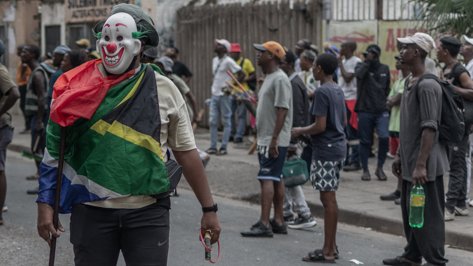
The wooden‑clock tower of Limoges city hall collapsed into flames during last weekend’s nationwide protests, ushering the municipality into mourning. Mayor Guillaume Guérin has blamed a left‑wing faction and said two suspects linked to radical networks were arrested. The protest, initially sparked by poor schooling, has morphed into a broader outcry over France’s high cost of living and looming presidential elections. Local residents split between seeing the fire as a tragic loss of heritage and a symptom of deeper grievances, while national politicians debate curfews and policing. As France’s political polarisation deepens, the town hall’s ruin may become a pivotal symbol of the country’s fractured social fabric.
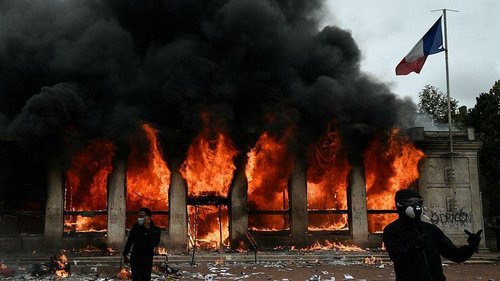
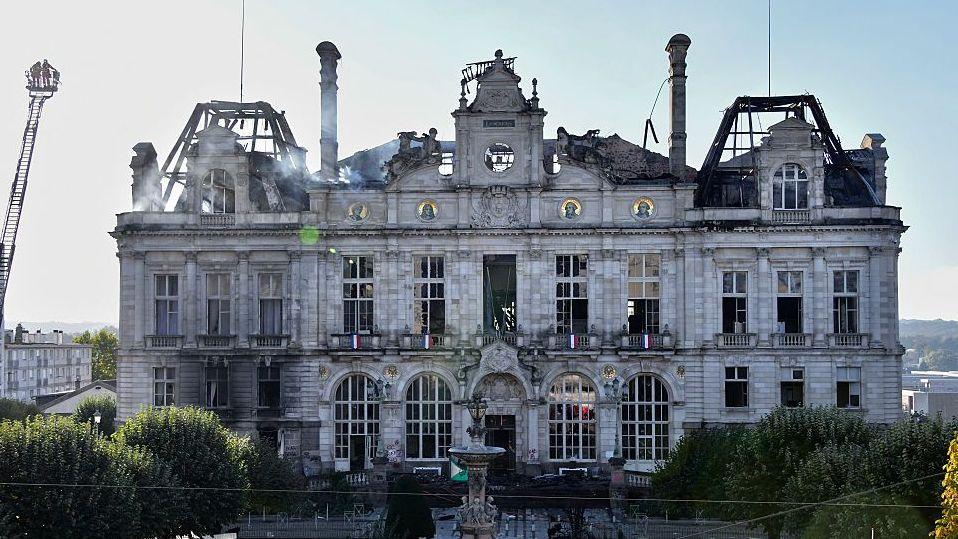
The city hall of Limoges, a 19th‑century civic landmark, was left in ruins after a wooden clock tower collapsed into flames during last weekend’s nationwide protests over France’s high cost of living.
Mayor Guillaume Guérin – who had only been in office for six months – was moved to tears when he first saw the extent of the damage. He has accused a hard‑left faction, supported by rioters, of orchestrating the blaze and said two suspects, a 66‑year‑old and a 34‑year‑old, were arrested. Prosecutors say the men are linked to radical‑left networks.
National police have announced curfews and limits on gatherings in Limoges following the fire, while the centrist government has pledged to increase police presence to curb further violence.
The damage has stirred a split view among residents. A 19‑year‑old medical student, Jade, said the burn was sad but not the most painful part of the protests. A 24‑year‑old student named Alexander echoed a sentiment that a town hall should not be the target of vandalism.
In contrast, 63‑year‑old fish‑mongerer Jean Roger Faucher shared that he had married in the ruined hall and could not accept protests that endanger public life. He said, ‘People have legitimate grievances but the line is crossed when property is damaged and lives are put at risk.’
Pascale Vuylsteke, 59, a local butcher, complained that she works 100 hours a week and struggles to understand why some citizens feel compelled to take to the streets. Her words highlight the deep economic anxiety that many feel in a country grappling with a large fiscal deficit.
Politically, the blaze arrives at a tense time. France is heading toward presidential elections in six months, and candidates across the spectrum promise solutions to the cost‑of‑living crisis. Whether the loss of this historic building will galvanise a shift from vandalism to constructive debate remains uncertain.
The incident has become a microcosm of France’s broader societal divide, where heritage, civil expression and economic struggle collide. As the country watches and government reacts, the future of civic protest and the preservation of cultural symbols are under renewed scrutiny.