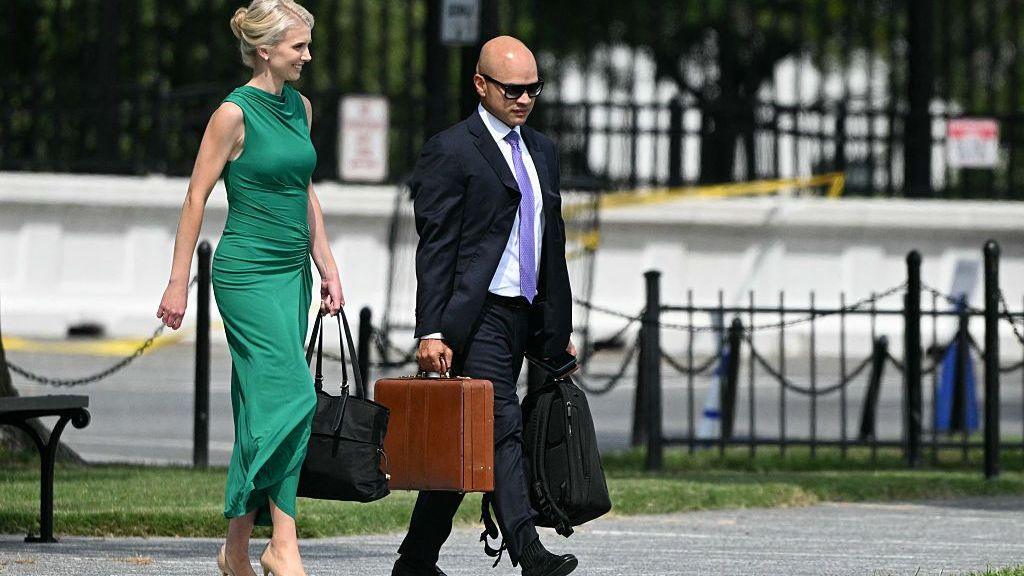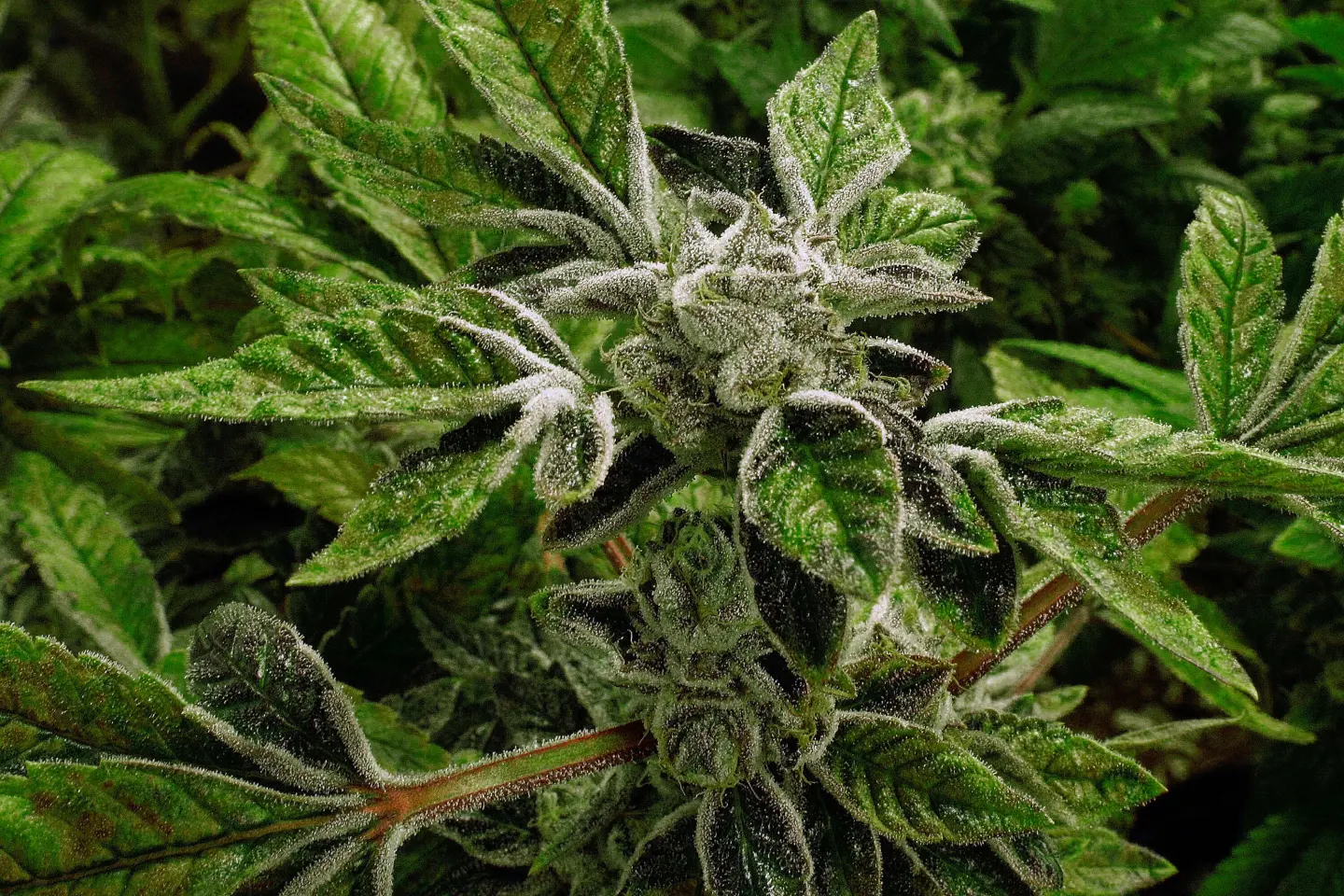
On Thursday, Acting Attorney General Todd Blanche issued an order reclassifying state-licensed medical marijuana as a Schedule III drug, representing a major shift in U.S. drug policy. This change facilitates better access for patients and reduces regulatory barriers for medical marijuana producers. The move allows tax breaks for medical marijuana businesses and encourages research into cannabis for medical use, which advocates have long sought.
President Trump had previously directed his administration to expedite the reclassification process. Although the order does not legalize marijuana, it reflects a significant step in de-escalating the federal government’s historically strict stance on cannabis.
During a recent event, Blanche stated, This rescheduling action allows for research on the safety and efficacy of this substance, ultimately providing patients with better care and doctors with more reliable information. This reclassification impacts the burgeoning medical marijuana industry across 40 states.
Despite this progress, marijuana remains classified as a Schedule I drug when not associated with state-licensed programs, leaving confusion about its implications in states where marijuana is recreationally legal. Furthermore, the administration faces pushback from within the Republican Party, with some lawmakers advocating for the current restrictions to remain in place.
The order does have broader implications for state-regulated cannabis systems. For example, states like Washington that have legalized recreational and medical marijuana may see changes in how cannabis products are sold to patients.
The order could invigorate discussions surrounding marijuana legalization at the federal level, especially in light of mounting evidence that suggests potential medical benefits from cannabis usage. It also sets the stage for a future debate about the overall classification of marijuana as the administration plans further hearings to consider broader rescheduling.
This pivotal policy change is viewed in stark contrast with the Biden administration's previous attempts to reclassify marijuana, which were met with significant public feedback but stalled under ongoing regulatory review. Ultimately, this move aligns with ongoing conversations about the role of marijuana in healthcare, societal acceptance of its use, and the complex interplay of government regulation in the substance abuse landscape.