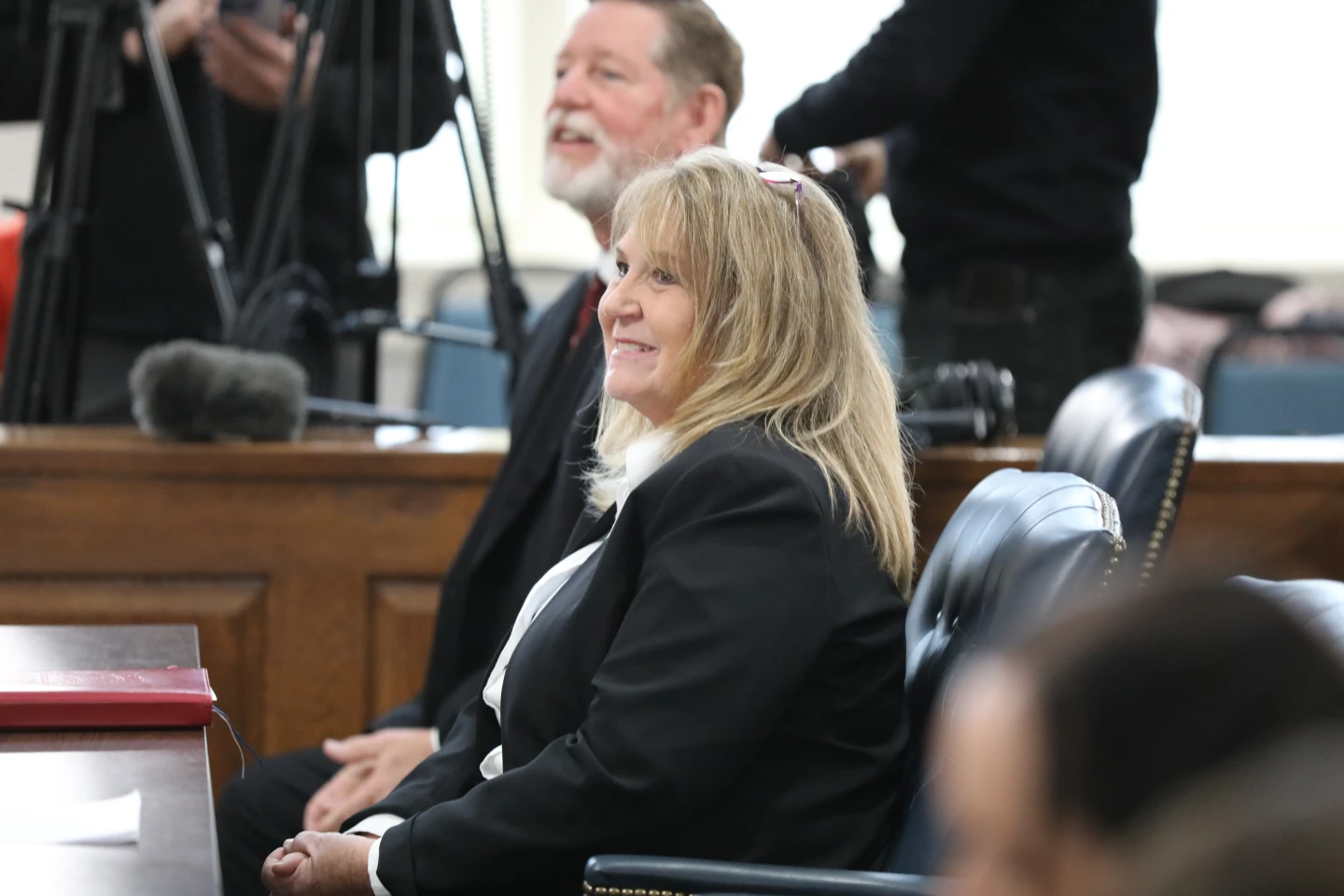
MADISON, Wis. — The jury selection process unfolded Thursday as defense attorneys and prosecutors prepared to determine the fate of Milwaukee County Circuit Judge Hannah Dugan, who is facing allegations of obstructing federal immigration enforcement.
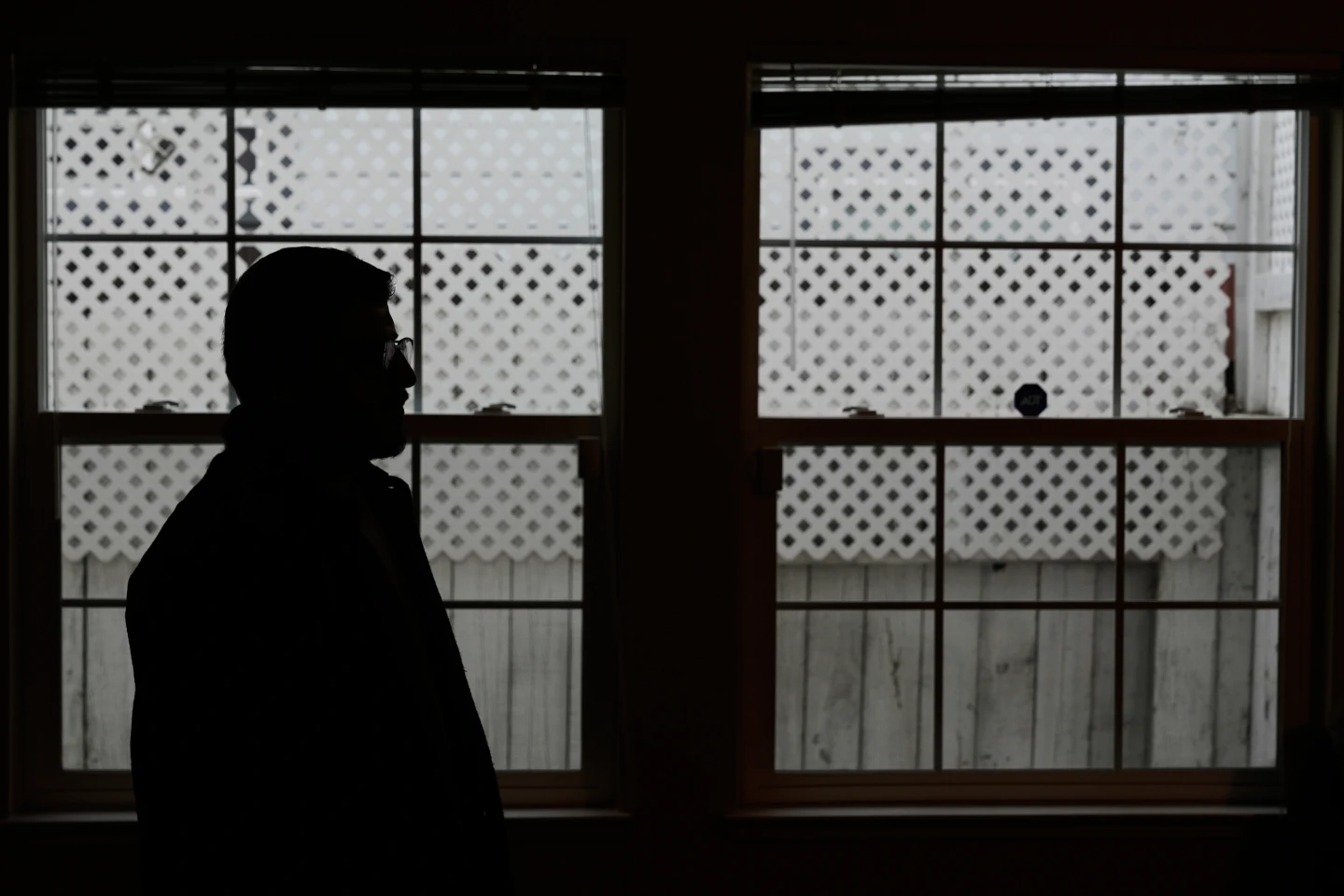
Dugan is charged with showing 31-year-old Eduardo Flores-Ruiz an alternate exit after discovering that federal agents were present in the courthouse seeking to arrest him. She now stands trial with the possibility of facing up to six years in prison if convicted.
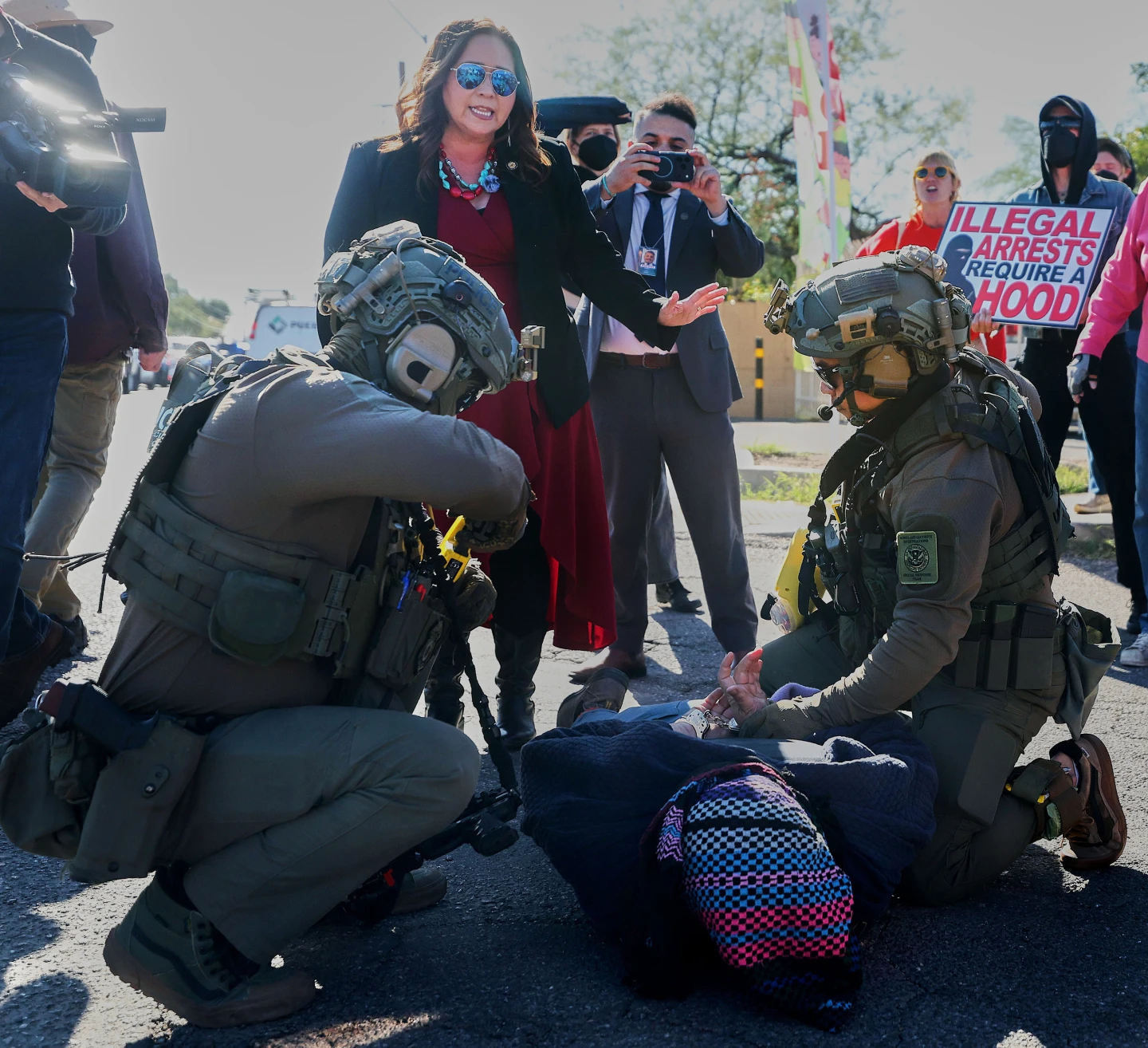
This case marks a significant episode in the ongoing national debate over immigration and judicial authority, especially under the Trump era's rigorous immigration policies.
Allegations and Defense
According to an FBI affidavit, Flores-Ruiz had a history of illegal re-entry into the U.S. and was present for a hearing related to a state battery charge. Upon realizing the agents’ presence, Dugan purportedly expressed frustration over the situation and sought to protect Flores-Ruiz, leading to his escape through a back door.
As the trial opens, discussions around judicial discretion are paramount. Dugan’s defense maintains she acted within her judicial capacity and that the court's internal policies at the time purportedly prohibited ICE from executing warrants in nonpublic courthouse areas.
Political Implications and Impact
Supporters of Dugan argue that the Trump administration’s prosecution is a strategic move to intimidate judges opposing its immigration stance. Conversely, criticism has come from figures like FBI Director Kash Patel, who has labeled Dugan as an 'activist judge' on social media.
The complexity of this trial illustrates the tensions between judicial action and federal immigration policies, igniting broader conversations about the role of the judiciary in such enforcement matters.
Jury Selection Process
With attorneys actively working to ensure an impartial jury, questions of bias in this highly publicized case are front and center. The defense has utilized surveys to probe jurors’ political affiliations and leanings, reflecting the charged atmosphere surrounding the case.
As Dugan prepares for her trial, her plea for justice encapsulates the broader struggle within the judicial system regarding immigration enforcement and the role of judges in such contentious political landscapes.