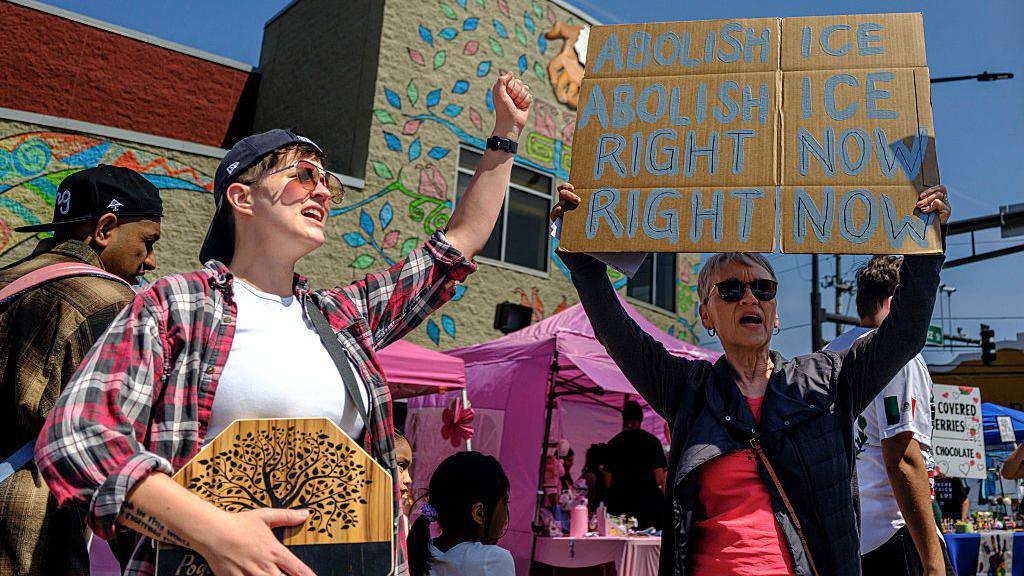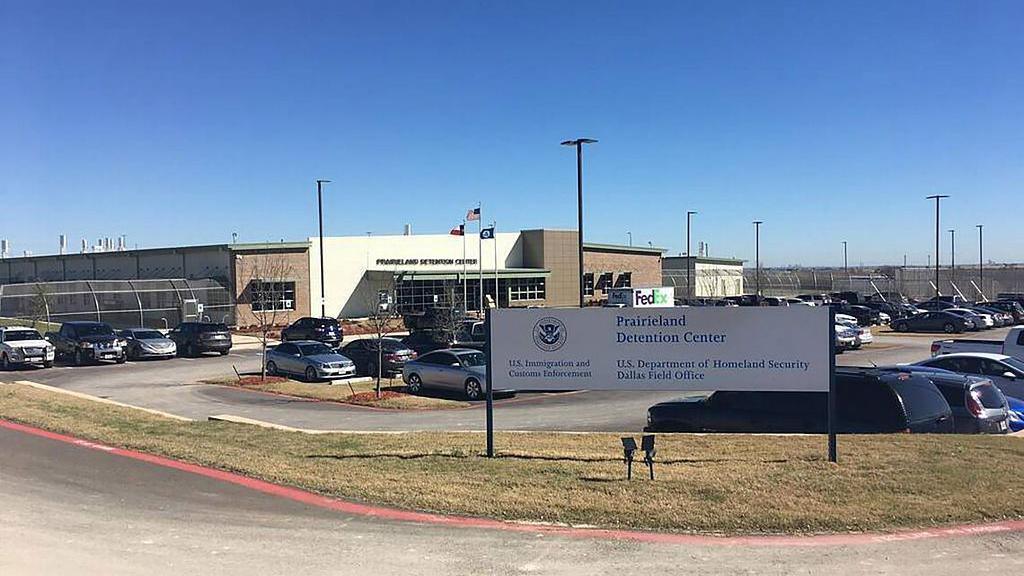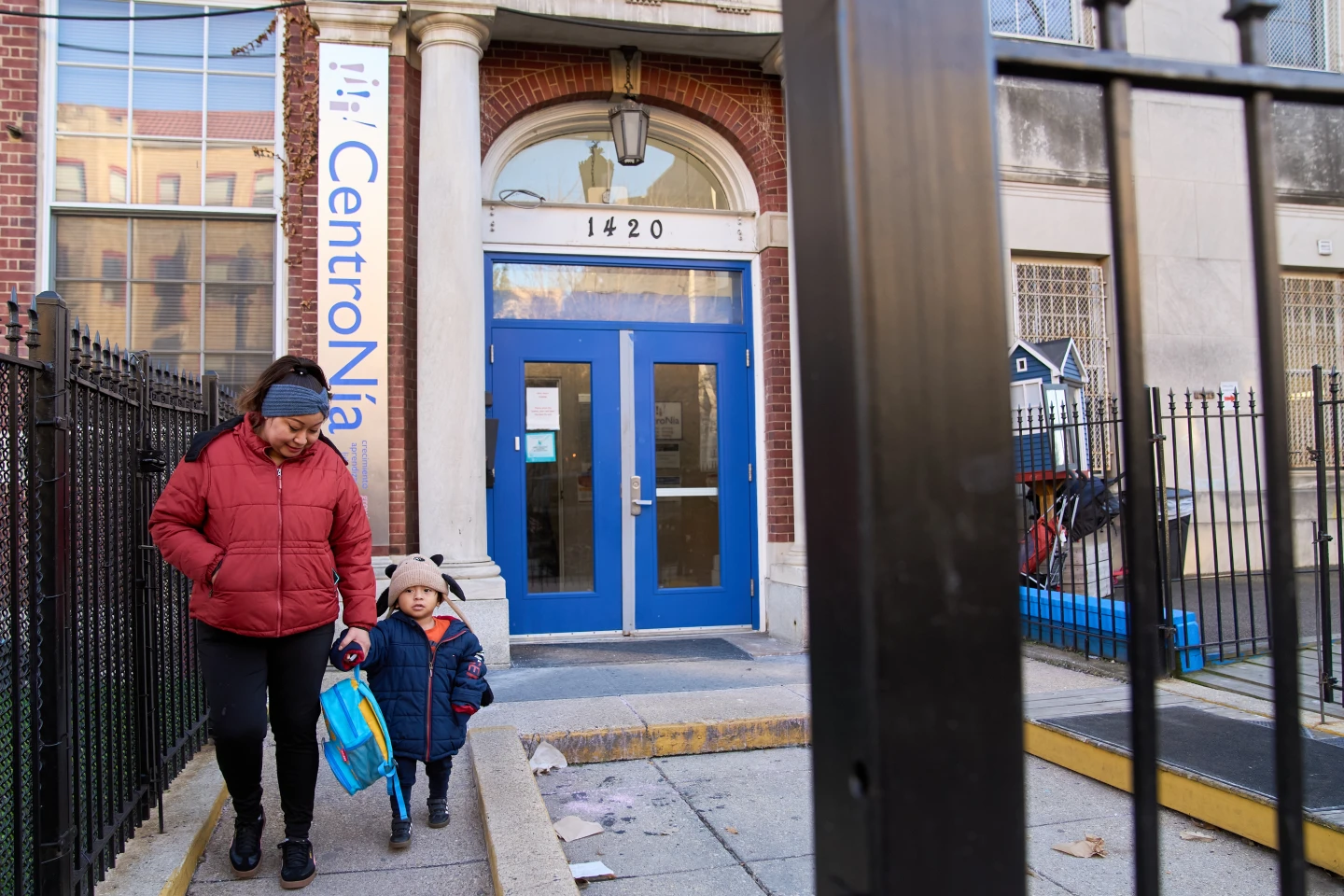
In light of the increasing presence of Immigration and Customs Enforcement (ICE) officials in immigrant communities, child care centers such as CentroNía have modified their operations significantly. The fear of deportation has led schools to alter activities, such as discontinuing trips to parks and eliminating cultural celebrations, to avoid drawing unwanted attention.
A notable incident in October involved the arrest of a teacher inside a preschool in Chicago, which exacerbated fears among educators and parents dependent on immigrant child care workers. The push by the Trump administration for mass deportations has strained the industry, leading to higher anxiety levels among workers, most of whom reside in the U.S. legally.
With the child care sector heavily reliant on immigrant workers, the approach to immigration enforcement has fundamentally altered the landscape. Nearly 20% of child care workers nationally are immigrants, with a substantial concentration in urban areas, making the industry's stability precarious amid ongoing policy changes.
The shift in operational dynamics at centers like CentroNía, where legal staff are required, highlights how ICE's evolving role has changed previously safe spaces for children and families.
This change also extends to the mental well-being of those in the workforce. Reports have emerged of teachers experiencing panic attacks and heightened stress levels, prompting outreach for mental health support to avert spillover effects to children in classrooms.
Despite employing rigorous checks to ensure staff are legally authorized to work in the U.S., many educators feel vulnerable due to the chilling effects of immigration policies, which have not only impacted employment but also fundamentally altered the environment in which they operate.
As communities face these challenges, the grassroots response reflects a broader societal issue, with educators recognizing that the fear associated with immigration status and enforcement affects children directly, prompting changes in behavior and emotional responses among them.