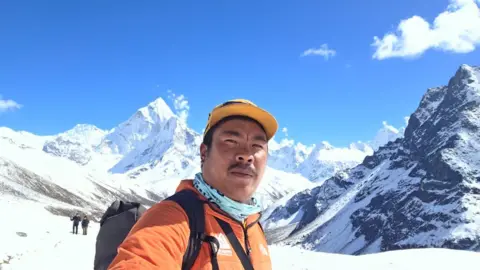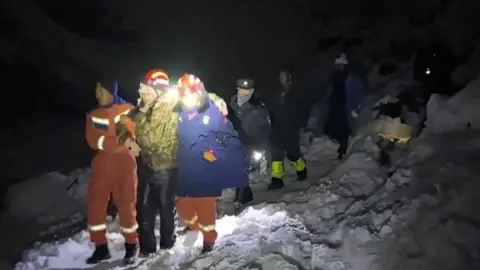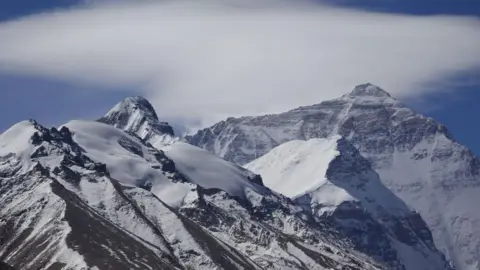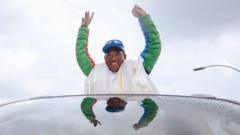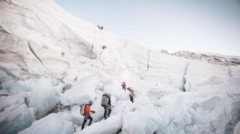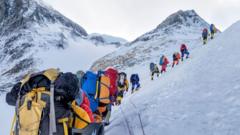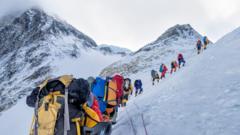
In late May 2026, a cleaning crew reached the extreme heights of Mount Everest to dispose of accumulated waste. Amid the routine work they uncovered a lone figure, Hillary Dawa Sherpa, in a glowing blue summit suit, crawling at the foot of the Khumbu Icefall—the world’s most treacherous climbing section.
For six days, Dawa asked the crew to stay put and began an astonishing self‑rescue: he deprived himself of oxygen, chewed ice, drank melted snow and fed on chocolate he found in his pocket. He eventually descended to the base camp where a rescue team found him, frostbitten but alive, and airlifted him to a hospital in Kathmandu. News of his miracle spread worldwide but also prompted critical scrutiny of the expedition’s organization.
Hillary Dawa originally served as a camp cook for Himalayan Traverse Adventure (HTA), the tour company that arranged the expedition. However, due to an unexpected illness of the original guide, Dawa was quickly reassigned as a climbing guide to escort two foreign climbers, British Chris Thrall and Polish Mariusz Chmielewski, along with fellow guide Pasang Kaji Sherpa. The decision, made to “earn extra money,” has been questioned because of Dawa’s limited experience near the summit, according to experienced mountaineer Ben Ayers of Outside Magazine.
Dawa’s disappearance at Camp 3 around 7,200 metres triggered a delayed search that began only three days later. While HTA claims the delay was unavoidable because of whiteout conditions and lack of helicopter access, the family and some expedition members claim the company was negligent and failed to contact rescue services promptly. Police have filed a report and Nepal’s tourism authorities are investigating.
Complicating matters, a series of statements from company officials suggest no emergency response was launched immediately, and only a later aerial search on June 2 yielded no results. HTA’s managing director still claims to have complied with safety obligations, but critics argue that the organisation’s low price points and thin staffing priorities jeopardise the wellbeing of essential guide personnel.
As Dawa recovers in Kathmandu, the episode underscores the precarious balance between tourism profits and the regulatory responsibilities that should protect the very people who make such climbs possible. Future policy reforms may need to address guide role qualifications, emergency communication protocols and payment structures to mitigate the risks highlighted by this harrowing incident.