In brief
The Two Mississippi Museums reveal a comprehensive narrative of the state's history, including a memorial for lynching victims and exhibits addressing both achievements and dark histories. This contrasts starkly with national narratives under the current administration which seeks to downplay the realities of racial oppression.
The glass panels of the Lynching Victims Monolith etch the names of over 600 victims of racial killings in Mississippi, illustrating the brutality of America's past. Each story told in the museums resonates deeply, such as the tale of Malcolm Wright, who was brutally killed for obstructing a road with his mule-drawn wagon.
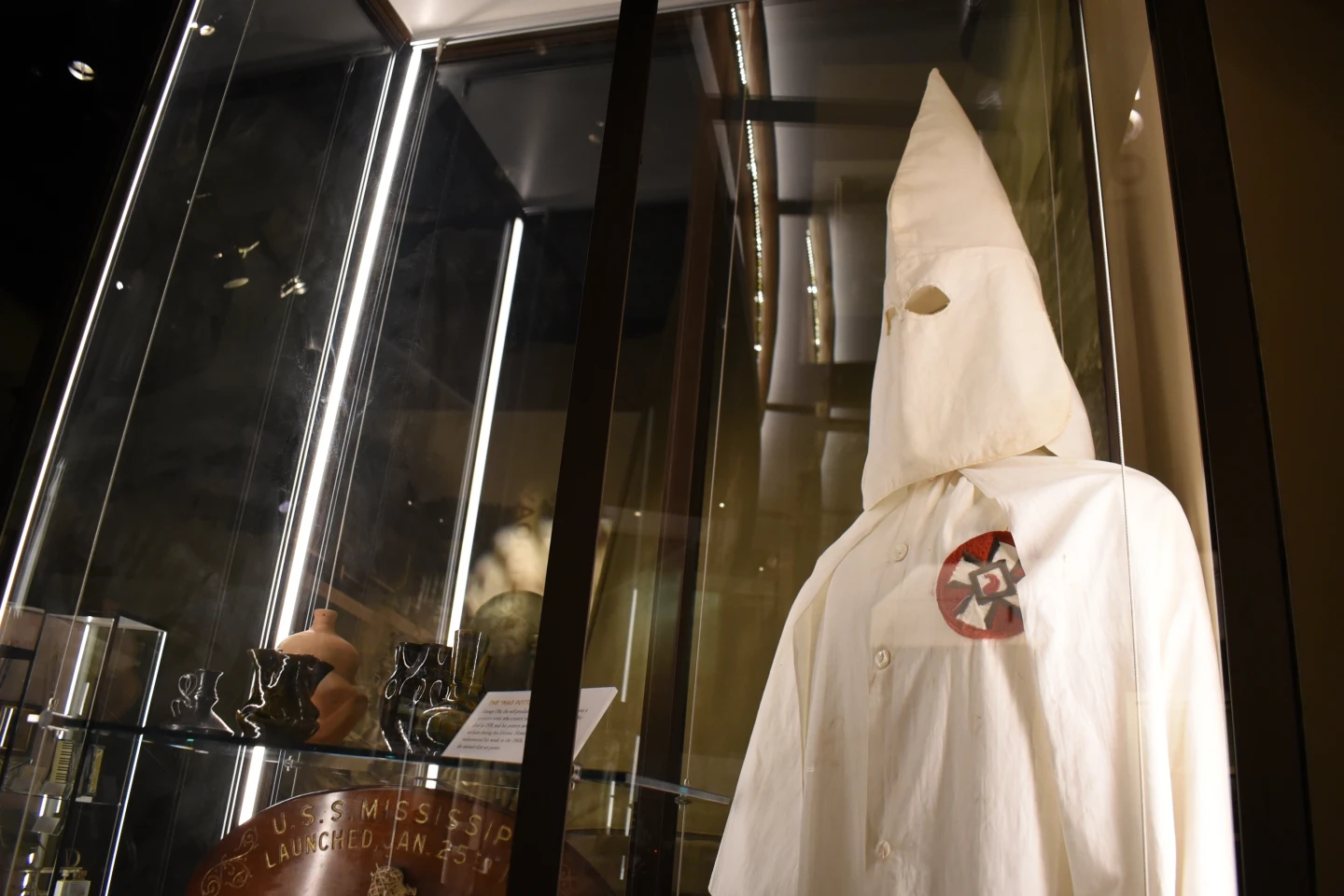
These poignant displays are part of the Two Mississippi Museums, which serve as the state's official commemoration site for America's 250th anniversary. Unlike the trend at the national level to soften historical narratives, Mississippi opts for a 'warts-and-all' approach, owning its legacy of racial injustice while celebrating progress.
Visitors like Kiama Johnson reflect on the emotional weight of the exhibits, which remind them of the countless untold stories of violence and hatred that often remain hidden. The museum director emphasizes the necessity of telling the complete truth about Mississippi's history, including the painful realities faced by Native Americans and enslaved individuals.
Jackson Mayor John Horhn and other state leaders advocate for transparent storytelling, asserting that understanding this troubled history is crucial for reconciliation. The museums explore themes of systemic oppression while also highlighting Mississippi's achievements, ensuring that visitors engage with both the good and the bad of state history.
In contrast, recent actions taken by former President Trump aim to sanitize historical accounts at federal institutions, reflecting a disconnection from the deep scars left by racial violence. Critics argue that efforts to eliminate diversity and inclusion initiatives hamper the ability to confront the past honestly.
Mississippi's initiative to document both its achievements and struggles creates spaces that foster learning and empathy. As displayed in exhibits like Mississippi Made, the narrative includes both innovation and the painful legacy of racism, embodying a complex but necessary acknowledgement of the state's past.