In brief
In Minneapolis, amidst a surge of ICE activity, Native Americans are increasingly carrying tribal identification cards to assert their U.S. citizenship. Many view this as a painful irony given their historical status as the original inhabitants of the land. Tribal governments are streamlining the process to obtain these IDs and waiving fees, indicating a community response to perceived threats from federal immigration enforcement. Testimonies reveal a climate of fear where individuals, including U.S. citizens, are wrongly detained by ICE agents. Community leaders cite the importance of these IDs in affirming identity amid growing concerns of racial profiling.
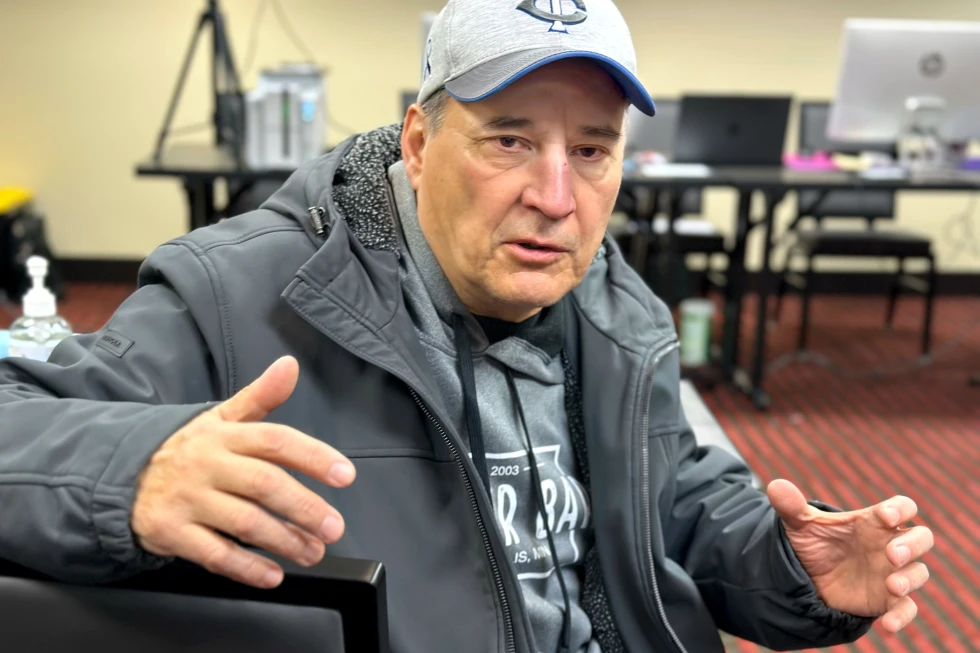
MINNEAPOLIS (AP) — When U.S. Immigration and Customs Enforcement (ICE) intensified its presence in Minneapolis, Shane Mantz felt compelled to retrieve his Choctaw Nation citizenship card from its resting place. Despite his identity as a Native American, he finds himself mistaken for Latino, leading to fears of being caught in ICE raids.Like Mantz, many Native Americans are now carrying tribal documents that establish their U.S. citizenship, which has prompted over 575 federally recognized Native nations to simplify the process for obtaining tribal IDs. These initiatives include waiving fees, lowering eligibility ages, and expediting card issuance.David Wilkins, a political expert from the University of Richmond, states that this trend is unprecedented, creating a new dynamic in the relationship between Native Americans and federal law enforcement. 'I don’t think there’s anything historically comparable,' he said, expressing frustration at the current state of affairs.This surge in ID applications symbolizes a deeply ironic reality for Native Americans, as Jaqueline De León from the Native American Rights Fund notes, 'As the first people of this land, there’s no reason why Native Americans should have their citizenship questioned.'Historically, the U.S. government has maintained detailed records to determine Native American identity for various benefits across multiple areas, impacting tribal sovereignty since the mid-1800s. With about 70% of Native Americans now living in urban areas, including a significant population in the Twin Cities, the need for tribal identification has become more pronounced.A top ICE official recently announced a large-scale immigration operation in the area, resulting in over 3,400 arrests. The presence of ICE agents in unmarked SUVs has raised alarm among residents, leading tribal representatives to travel to Minneapolis to assist community members in obtaining their tribal IDs.Concerns about ICE harassment are palpable, as tribal leaders report incidents of detention among community members. Navajo Nation President Buu Nygren has encouraged citizens to carry their IDs constantly. High-profile accounts, like that of actress Elaine Miles, reveal individuals facing questioning based on their tribal IDs, leading to feelings of vulnerability in their own homeland.From personal experiences shared by citizens, the narrative depicts a painful reality of racial profiling and a struggle to maintain dignity in a climate of fear. Shane Mantz voices the shared sentiment: 'It gives me some peace of mind. But at the same time, why do we have to carry these documents? Who are you to ask us to prove who we are?'