In brief
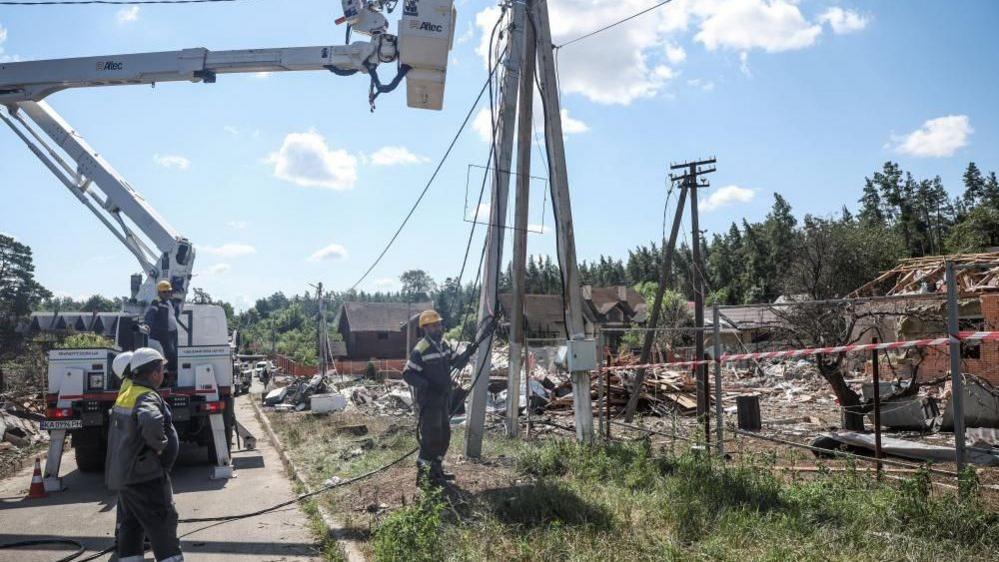
President Trump declared Ukraine and Russia had agreed to a ceasefire on strikes to energy infrastructure, yet Moscow has offered no public comment. Washington’s announcement is seen as a strategic move that could constrain Ukrainian attacks on Russian fuel sites while tightening economic pressure on Kyiv. Russian officials interpret the ceasefire as a one‑way benefit, arguing it keeps Russia free to target Ukraine’s energy facilities. While Ukraine awaits confirmation of compliance, the Kremlin continues to pursue a broader strategy of sustained pressure on the war front. The situation underscores the complex interplay between diplomatic gestures and military realities in the conflict.
When former U.S. President Donald Trump declared on Sunday that Russia and Ukraine had agreed to a ceasefire on strikes to energy infrastructure, Russian officials simply kept quiet. The Kremlin has yet to issue a statement, leaving the international community to parse Moscow’s intent from its silence.
Trump’s claim appears to be a strategic manoeuvre aimed at limiting Ukrainian attacks on Russian fuel facilities. Analysts say the ceasefire, if upheld, would constrain Kyiv’s capacity to target Moscow’s remaining oil refineries while keeping pressure on the United States to uphold its newly announced diesel import deal.
In contrast, Russian spokesperson Dmitry Peskov’s brief response—"Contacts are continuing"—shows the Kremlin’s reluctance to discuss a move that could be interpreted as conceding to Western pressure. Peskov added, "We will inform you when we have something to say about this," signalling that the Russian government prefers to keep negotiations opaque.
Pro‑Kremlin outlets, however, praised the announcement as a boon for Moscow, arguing that a one‑way ceasefire would mean the West could no longer defend Ukraine’s energy grid. They described the ceasefire as a “gift” that obliges Kyiv to halt attacks while leaving Russia free to strike anywhere it chooses.
Meanwhile, Ukrainian President Volodymyr Zelensky viewed the statement as a surprise and a potential opportunity to move forward. He called attention to ongoing drone strikes on Ukrainian energy sites and expressed uncertainty over whether Moscow is truly committed to the ceasefire.
Russia’s war strategy, it appears, is not a straightforward ceasefire but a continuation of targeted attacks organized to keep the conflict moving toward a broader “lasting peace” that benefits Russian interests. A Kremlin proposal for a one‑day pause for Ukrainian elections illustrates the limited nature of any compromise being offered.
The recent ceasefire announcement also coincides with heightened pressure on the United States, where President Trump’s hands‑off on Ukraine might sway domestic political debates and affect U.S. arms sales to its Baltic allies. Moscow has signalled that continued strikes on fuel infrastructure could harm U.S. economic interests, as fuel shortages threaten consumers and foreign markets alike.