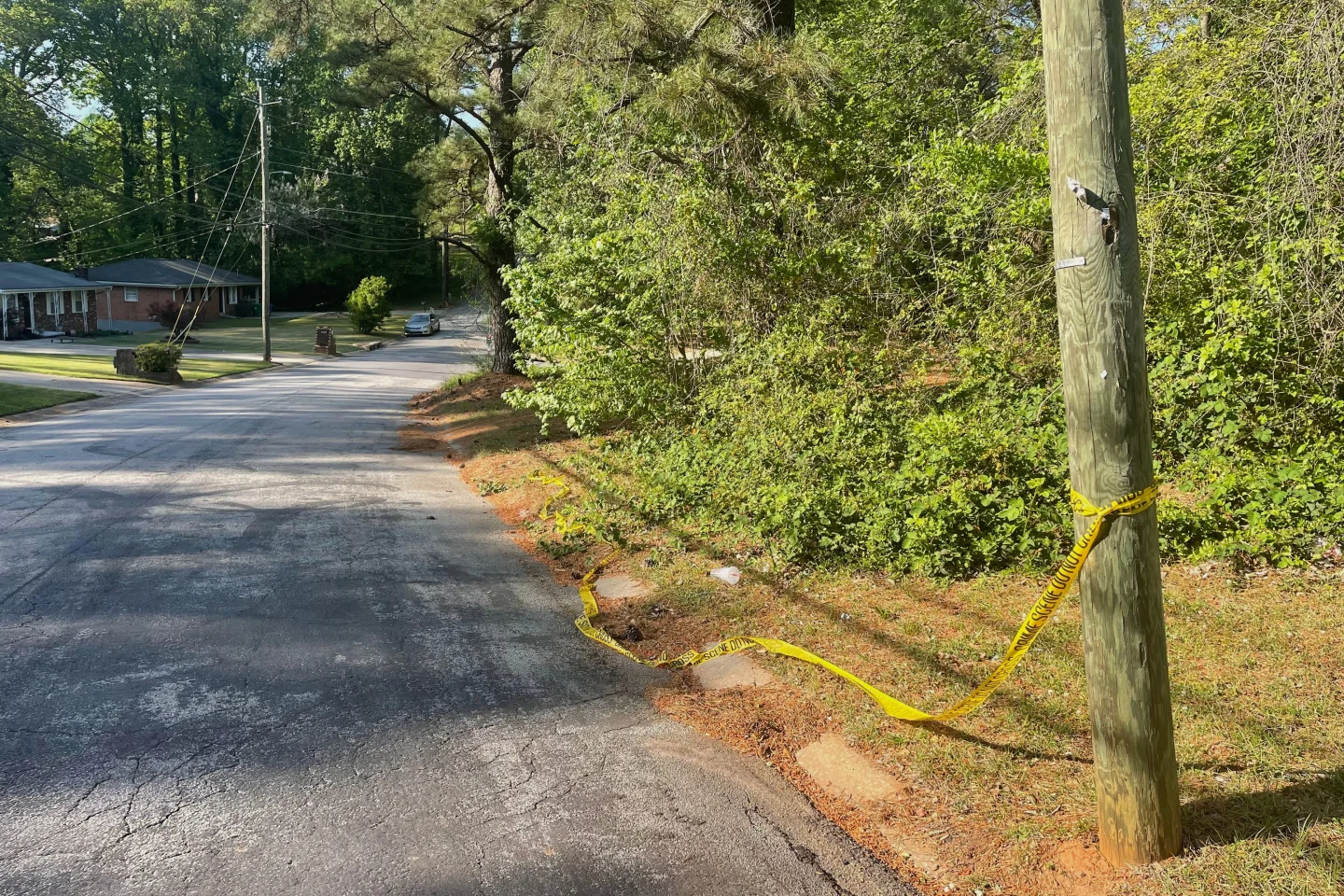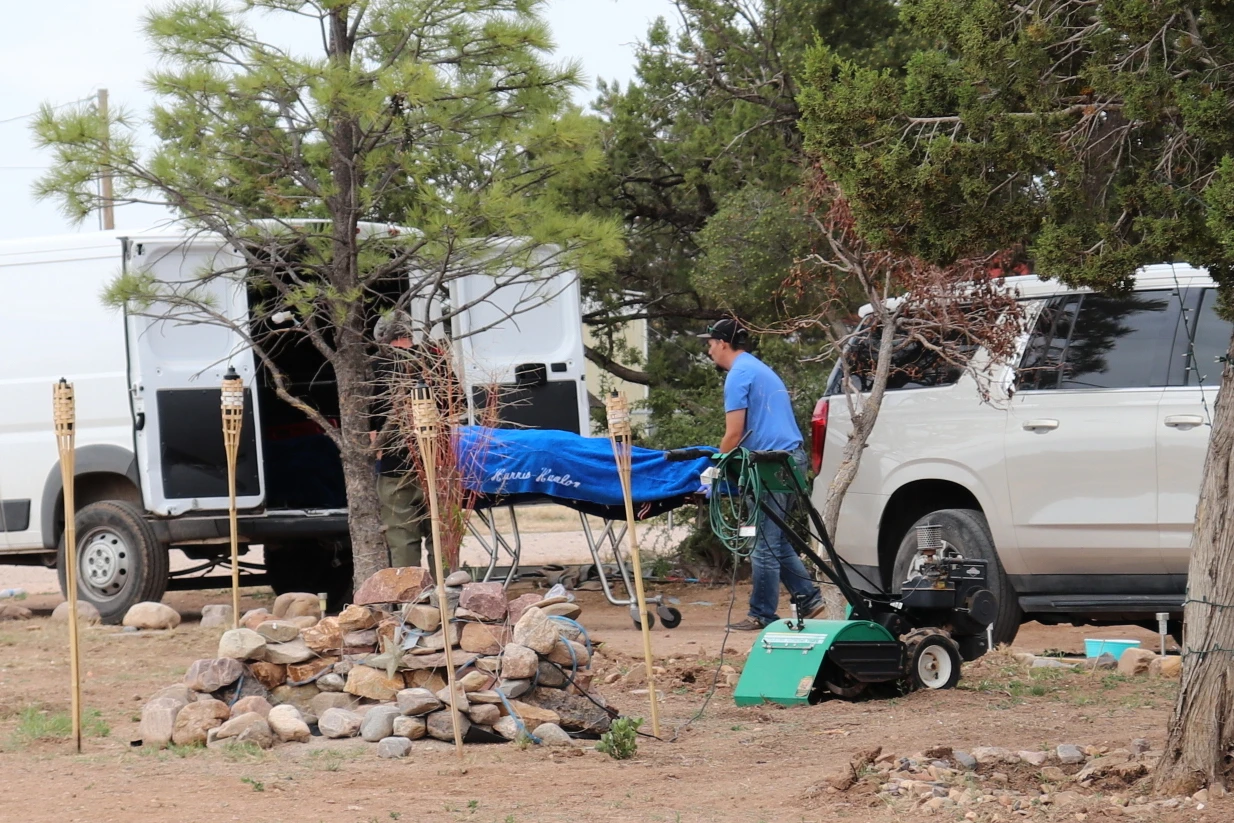
On Wednesday, Mountainair, New Mexico, faced a tragic incident when four individuals were discovered unresponsive in a rural home. Three died at the scene, while a fourth was hospitalized, per New Mexico State Police. Over a dozen first responders—including EMTs and volunteer firefighters—were quarantined for exposure to an unidentified substance, reporting symptoms such as nausea, dizziness, and vomiting. Authorities confirmed the substance is likely transmitted through contact and not airborne, though its origin remains under investigation.
**Political Perspective**: Mayor Peter Nieto cited drugs at the scene as a probable factor, noting New Mexico’s fourth-highest overdose death rate (775 in 2024). While officials emphasize law enforcement responses, critics argue the state’s focus on criminalization over treatment has failed to address systemic issues. State health officials face pressure to expand access to naloxone and addiction treatment in underserved rural areas.
**Cultural Perspective**: In Mountainair—a community of fewer than 1,000 residents described as 'tight-knit' by the mayor—social media erupted with residents expressing frustration over drug use. Cultural stigma surrounding addiction persists in rural settings, where limited healthcare resources hinder intervention. Volunteers like Antonette Alguire described trauma during the incident: 'It’s getting to that point where we just have to live in fear, even saving lives.'
**Social Perspective**: The event exposed first responders to unprecedented occupational risks. Alguire witnessed colleagues suffer symptoms at the helicopter pad, questioning future safety protocols. Mayor Nieto acknowledged the 'emotional toll' on town employees, closing town hall Thursday. Community leaders stress addiction requires holistic solutions: 'Family support, accountability, education, and individuals willing to accept help'—not punitive measures.
As investigations continue, authorities warn the public faces no immediate threat. Meanwhile, the tragedy underscores how rural communities bear disproportionate harm from the opioid epidemic, with first responders becoming collateral victims in a crisis demanding urgent, systemic solutions.}
**Political Perspective**: Mayor Peter Nieto cited drugs at the scene as a probable factor, noting New Mexico’s fourth-highest overdose death rate (775 in 2024). While officials emphasize law enforcement responses, critics argue the state’s focus on criminalization over treatment has failed to address systemic issues. State health officials face pressure to expand access to naloxone and addiction treatment in underserved rural areas.
**Cultural Perspective**: In Mountainair—a community of fewer than 1,000 residents described as 'tight-knit' by the mayor—social media erupted with residents expressing frustration over drug use. Cultural stigma surrounding addiction persists in rural settings, where limited healthcare resources hinder intervention. Volunteers like Antonette Alguire described trauma during the incident: 'It’s getting to that point where we just have to live in fear, even saving lives.'
**Social Perspective**: The event exposed first responders to unprecedented occupational risks. Alguire witnessed colleagues suffer symptoms at the helicopter pad, questioning future safety protocols. Mayor Nieto acknowledged the 'emotional toll' on town employees, closing town hall Thursday. Community leaders stress addiction requires holistic solutions: 'Family support, accountability, education, and individuals willing to accept help'—not punitive measures.
As investigations continue, authorities warn the public faces no immediate threat. Meanwhile, the tragedy underscores how rural communities bear disproportionate harm from the opioid epidemic, with first responders becoming collateral victims in a crisis demanding urgent, systemic solutions.}