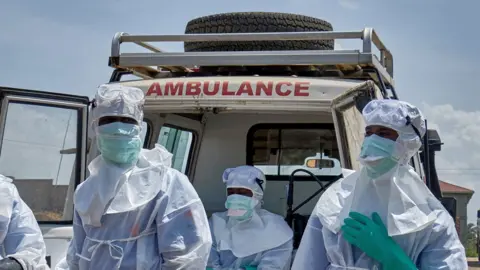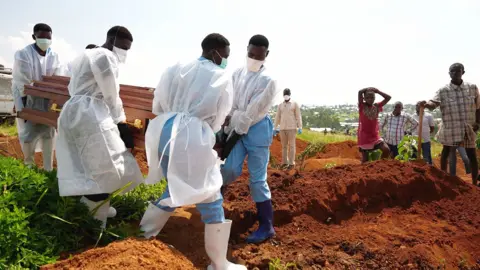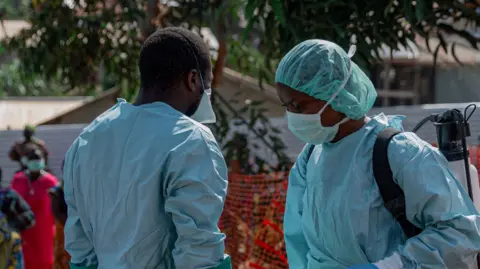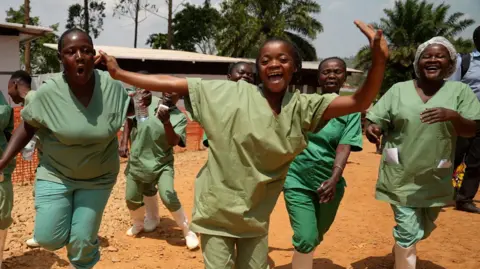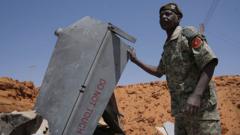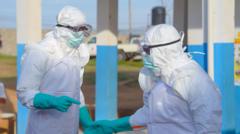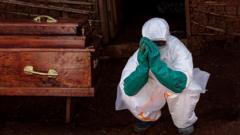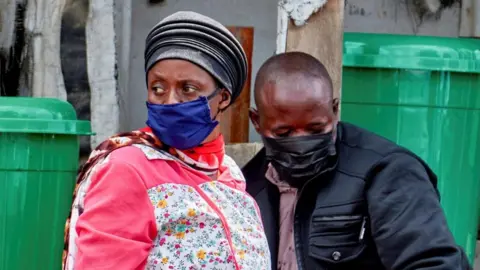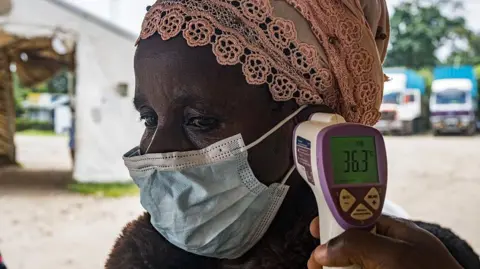
Fear has gripped Ebola-hit areas in eastern Democratic Republic of Congo as the suspected number of deaths continues to rise, with officials admitting they are struggling to catch up to an outbreak that may have previously been spreading undetected. Residents express their fears about the escalating situation, with one taxi rider stating, Ebola has tortured us. He added, I am scared because people are dying very fast... We are really afraid.
Health officials are facing challenges as they analyze and respond to the outbreak. Congolese Health Minister Dr. Samuel Roger Kamba acknowledged the difficulties in tracking the virus, which may have circulated prior to initial detection on April 24. The presumed patient zero is a nurse who passed away and was buried in Mongwalu, a gold-mining town where most of the cases and deaths have been reported. In Rwampara, another affected area, residents have called for better protective measures, with suggestions for masks to mitigate the risk.
As of Tuesday, the outbreak has been associated with 514 suspected cases and at least 136 fatalities, as well as reports of deaths in nearby Uganda. Communities are concerned that many deaths went unreported, complicating response efforts. Dr. Kamba stated, We really need to look within the community to understand what happened - how people became ill and sometimes even died without any report being filed, highlighting the need for greater local health awareness.
A virus hiding in plain sight
The outbreak is attributed to the Bundibugyo strain of Ebola, a type that has only previously caused two outbreaks in the region, in 2007 and 2012. This strain can present less obvious symptoms compared to others, leading to potential misdiagnoses and delays in response. Cultural beliefs, such as attributing deaths to witchcraft or the so-called coffin phenomenon, have further complicated public understanding and acceptance of the health threat. Residents insist that they are struggling against both the virus and their daily survival needs in a conflict-ridden environment.
International organizations like Save the Children have voiced concerns that the outbreak is a significant challenge layered on top of an already dire humanitarian crisis in eastern DRC, which has seen numerous conflicts and displacements. Residents in major urban centers, including Goma, have observed that preventive public health measures are largely ignored.
The US government has stepped in with emergency funding to assist affected areas and is considering further support, as the outbreak continues to unfold. With ongoing uncertainties surrounding the control of the virus, local officials and authorities are left to rely on hard-earned lessons from previous outbreaks as they confront this latest crisis in public health.
}