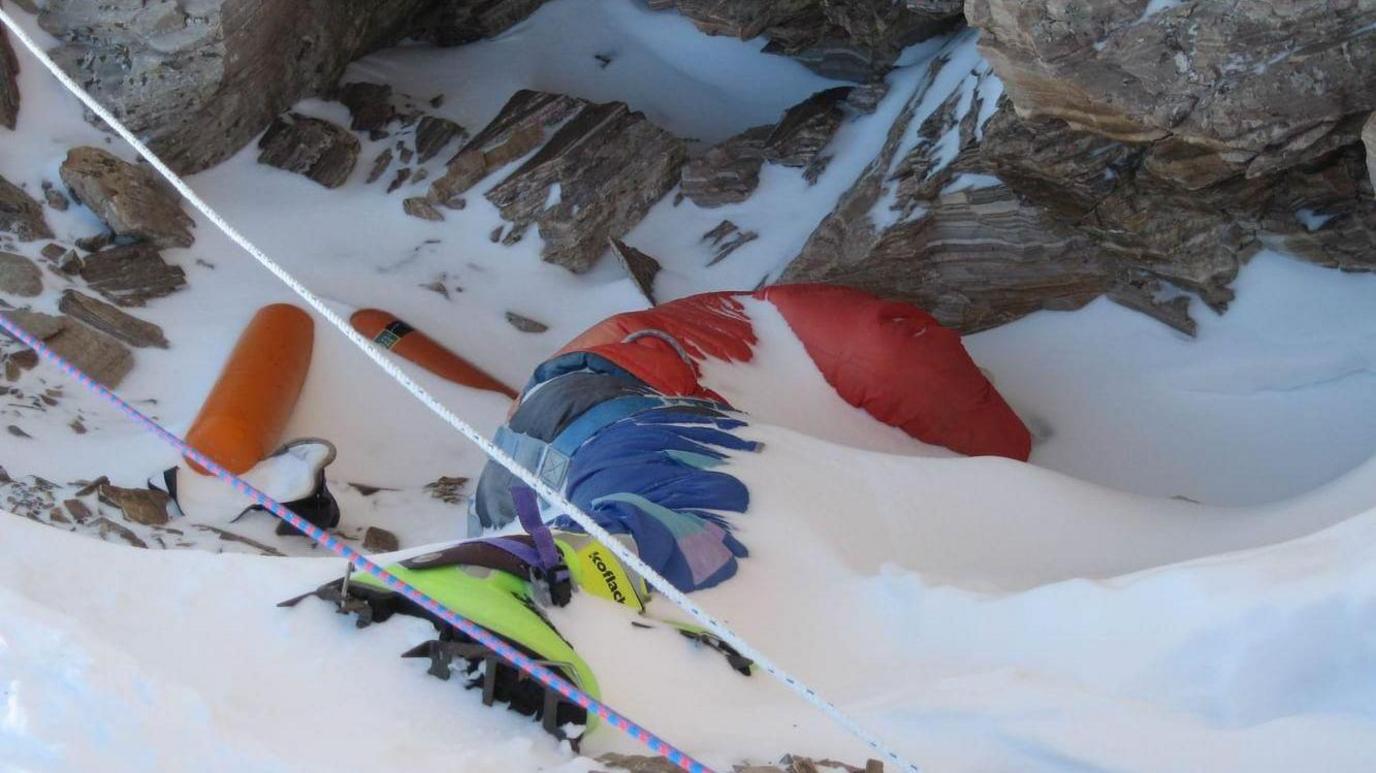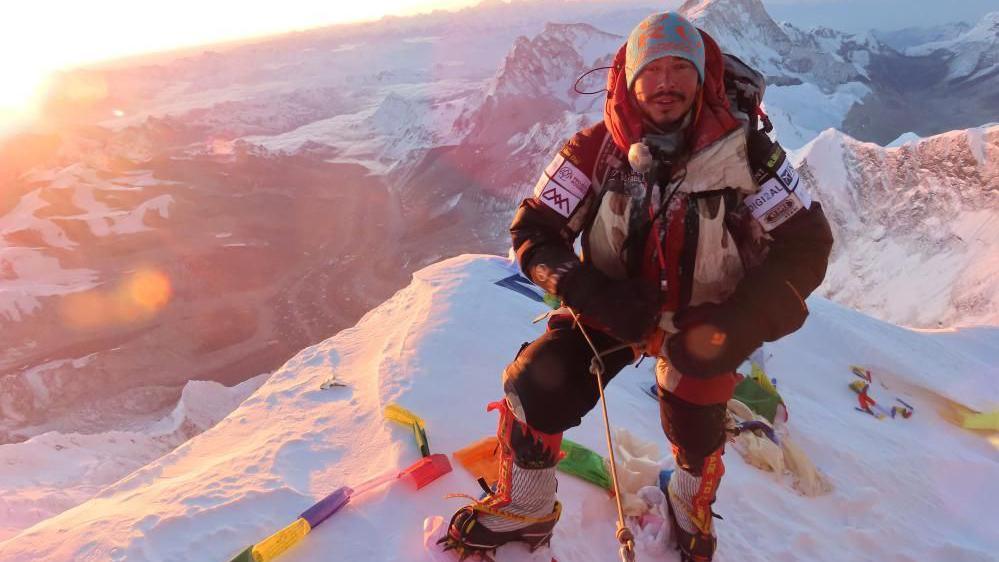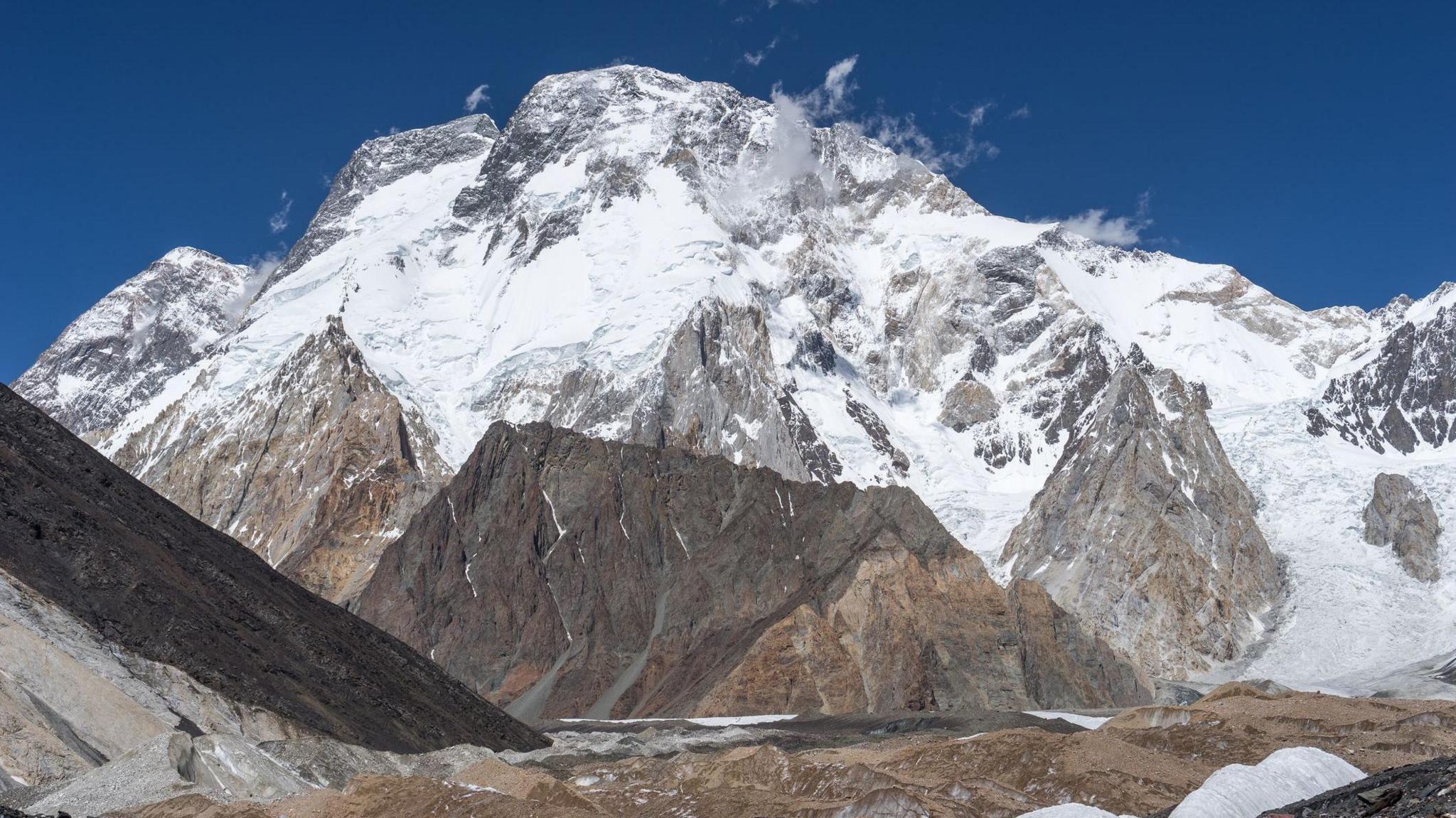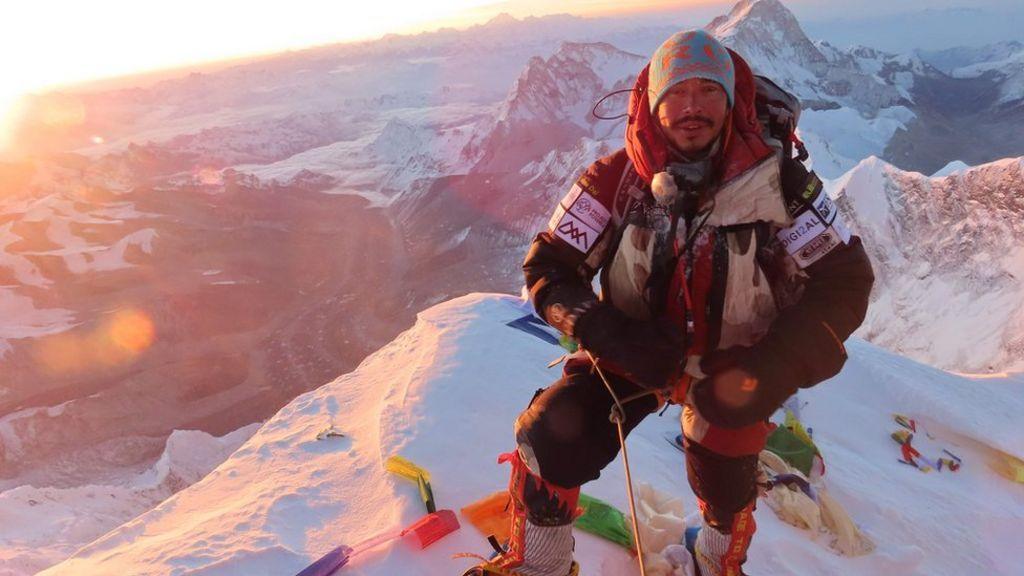
An avalanche on Pakistan’s Broad Peak has claimed the lives of all ten members of an expedition led by mountaineer Nirmal Purja, his company announced Thursday. The tragedy is part of a series of incidents on 8,047m (26,400ft) that continues to terrify the climbing community.
Pakistan’s officials had earlier recovered the bodies of three climbers – American Mallory Geis, Omani Nadhira Ahmed Abdullah Al Harthy, and Nepalese Pur Bahadur Gurung – from the mountaintop. The latest announcement confirms that the remaining seven climbers, all of whom were on the same team, perished in the same avalanche.
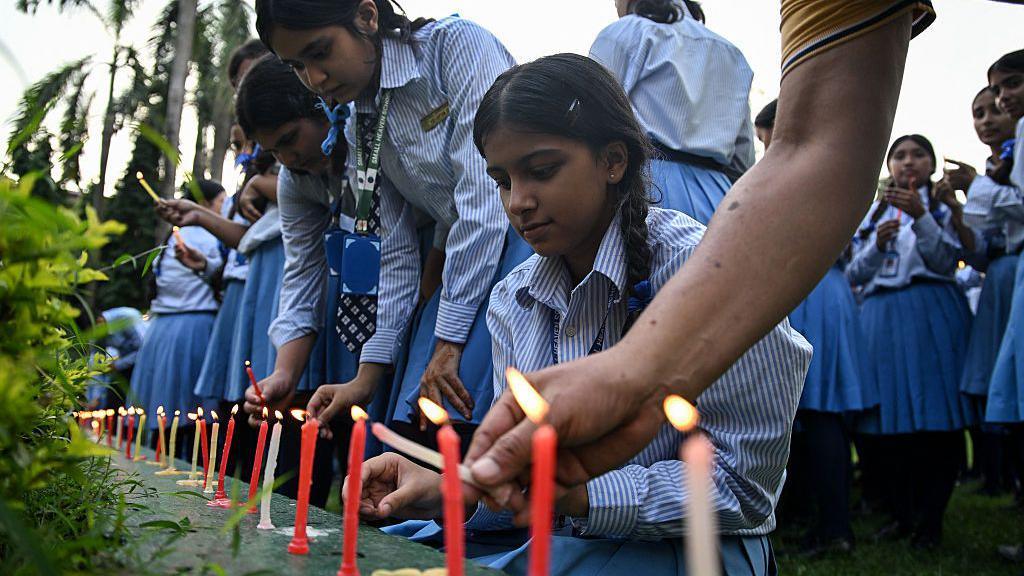
The broad public reaction has been one of profound sadness. Nepal’s prime minister, Balendra Shah, took to social media to express shock at the loss of him and six other Nepalese athletes, noting the end of a historic expedition. He praised the courage and legacy of those who fell for the sport.
From an environmental standpoint, Broad Peak is known as a technically demanding climb. Historically, it has claimed many lives since its first successful ascent in 1957. The 2013 season alone recorded six fatalities, underlining the mountain’s inherent danger.
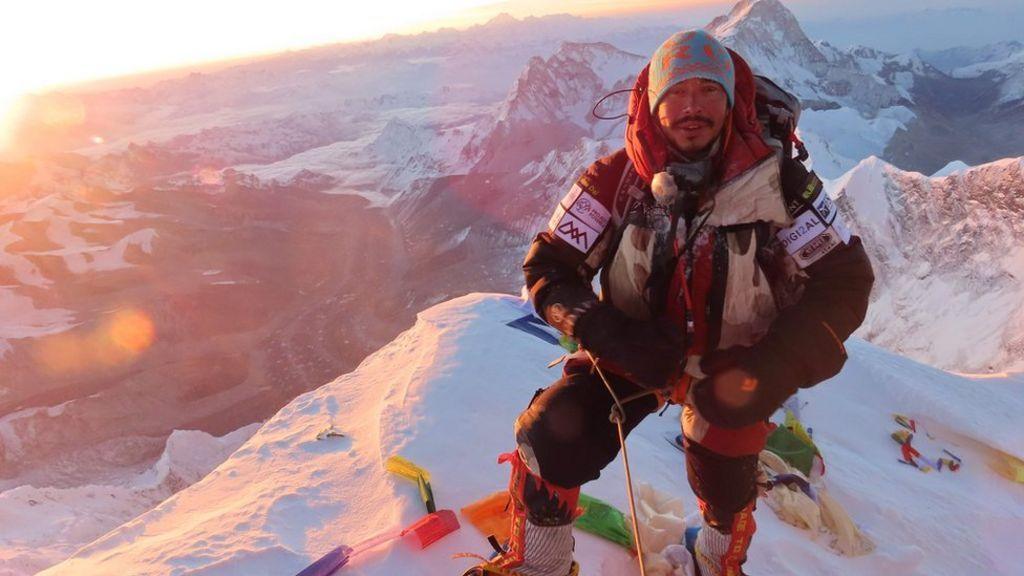
Purja, a former Special Boat Service officer, gained global recognition following his 2019 record of 14 highest peaks in under a year and a 2021 Netflix documentary. His death marks a poignant loss to the mountaineering world and highlights the tangible costs of pushing human limits.
Safety protocols and risk assessment remain key discussion points. With increasing commercial expeditions, experts argue for enhanced avalanche monitoring and stricter weather‑based decision making. Meanwhile, the mountaineering community mourns the loss of a champion while recognizing the brutal realities of high‑altitude adventures.