Nigeria has flown 268 of its nationals back to Lagos after a flight from Johannesburg on Wednesday, the official says. The repatriation is part of a broader effort that sees about 1,000 registered Nigerians in South Africa being sent home.
Other African states—Ghana, Zimbabwe and Malawi—have already carried out similar evacuations ahead of a June 30 deadline announced by some campaigners for undocumented migrants to leave the country.
Historically, many Africans moved to South Africa after apartheid ended in 1994, hoping for better prospects. However, the country now faces an unemployment rate above 30%, and the economic strain has been cited by some as a catalyst for rising anti‑migrant sentiment. Persistent protests, xenophobic attacks and even the killing of two Mozambican men in the Western Cape have brought the issue to the forefront.
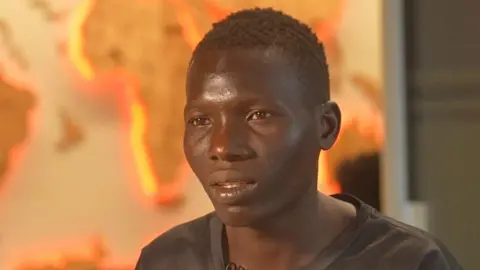
A Nigerian passenger, Justin, who had lived in South Africa since 1998, said he was forced to return because authorities had marked him as an undocumented migrant and threatened to have him removed by June 30. He told the BBC that police had targeted him in a taxi and that he had to abandon his phone and other belongings to escape further hostility.
The Nigerian Consul General in South Africa, Ninikanwa Okey‑Uche, emphasised that migrants make up less than 10% of the South African population and that the country’s problems in education, health care, policing and employment are systemic, not primarily caused by the presence of foreigners. She noted that many of the repatriated passengers were undocumented, and said delays in processing applications had left some at risk of being deported as illegal entrants.
South African authorities have responded by warning that the public should not take the law into their own hands. President Cyril Ramaphosa, in a televised address, announced new measures aimed at curbing illegal migration: jailing employers who hire undocumented workers, setting up dedicated courts to speed deportations, and creating a biometric database to prevent identity theft and monitor arrivals.
The protests have also sparked political debate. While some top South African politicians condemned the violence as “absolutely wrong,” activists argue that more must be done to arrest those responsible for xenophobe attacks, noting that some perpetrators are public figures or run for election positions.
With local government elections scheduled for November, analysts see migration as a key campaign issue, potentially influencing voting patterns in a country still grappling with high unemployment and social tensions.
The repatriation underscores a broader regional trend: several African nations are confronting how to balance openness with security, while also addressing the fallout of xenophobic sentiment that can threaten social cohesion.