In brief
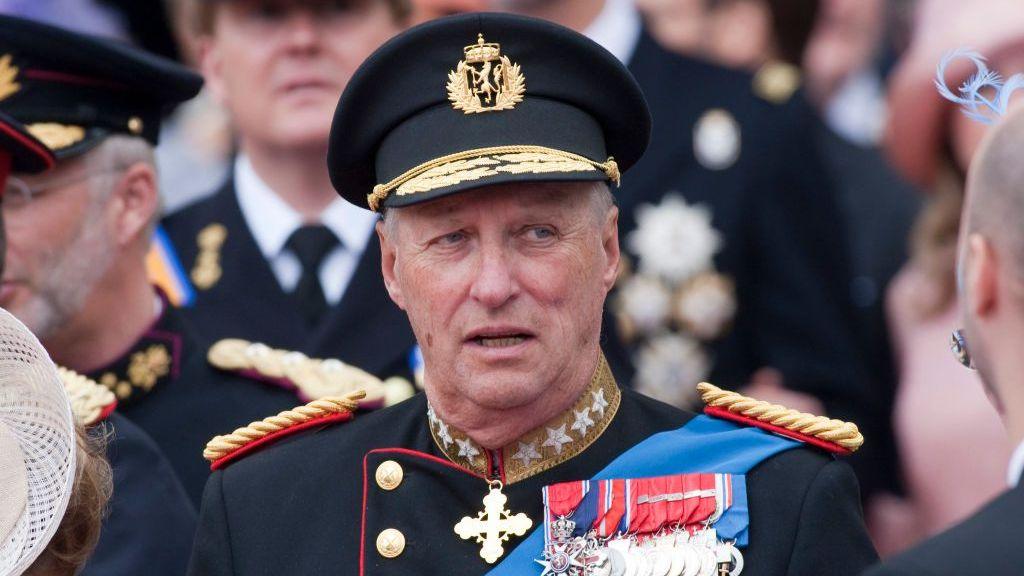
King Harald V of Norway died on 28 August 2026 at Oslo Hospital after treatment for a rare blood condition. The monarch’s flag fell to half‑mast and a solemn gathering commenced at Oslo Castle, with heirs and public crowds paying tribute. Harald’s 35‑year reign was highlighted by modernising the monarchy, marrying a commoner and providing unity during 2011 terrorist attacks. He will be succeeded by his son, Crown Prince Haakon, who has navigated family controversies while preparing for his future role. Despite recent scandals, the late king remains widely beloved in Norway.
The royal palace in Oslo confirmed that King Harald V died at 06:35 local time on Friday, 28 August 2026, after a brief hospital stay following treatment for a rare blood condition. The king’s flag was lowered to half‑mast for the day, and members of the royal family visited him in the 24 hours before his passing.
Harald was 89 years old and had reigned for 35 years, becoming Norway’s first native‑born king since the 14th century. His heirs are his son, King Haakon V, 53, who will soon convene an extraordinary council of state to formalise the succession. The royal family will hold a funeral ceremony later that week.
The former monarch is remembered for modernising the Norwegian monarchy, breaking with tradition by marrying commoner Sonja, and for his calm and empathetic leadership during the 2011 Oslo and Utøya attacks. Widely described as the “People’s king” and a “grandfather” of the nation, Harald’s speeches often reflected a personal, approachable style that resonated with the public.
Royal commentators noted Harald’s life outside court: he served as a long‑time president of the Norwegian chapter of the World Wildlife Fund, represented Norway in sailing at three Olympic Games, and frequently attended sporting events such as the national football team’s 2026 World Cup quarter‑finals.
In addition to his royal duties, the king faced personal and family challenges. His daughter‑in‑law, Mette‑Marit, had a five‑year friendship with the deceased sex offender Jeffrey Epstein, which she publicly apologized for; her son, Marius Borg Høiby, was convicted of rape and a plea deal led to a four‑year sentence. Despite these controversies, national sentiment towards King Harald remained largely positive; polls suggested that criticism mostly targeted the broader royal family rather than the king himself.
As Norway’s public eye turned toward remembrance, the focus will shift to the new monarch, King Haakon, who is preparing to navigate his own reign amid the recent familial and public scrutiny that affected the legacy of his father.