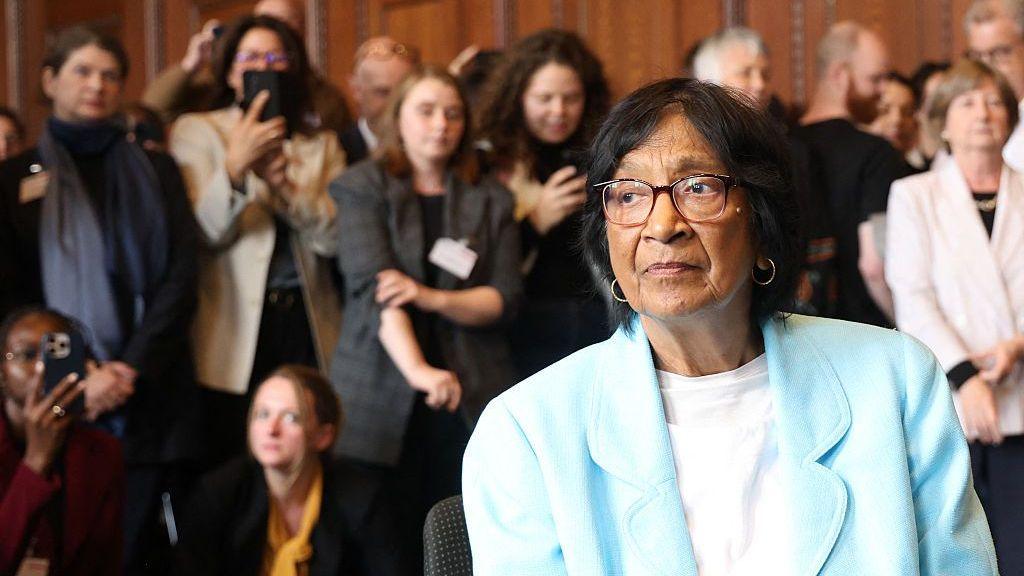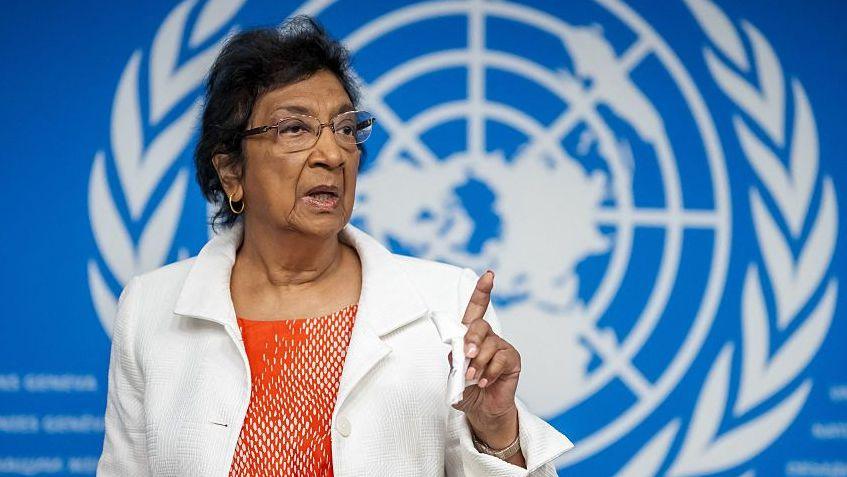
Navi Pillay, the South African former judge of the International Criminal Court, was named the 2026 Nobel Peace Prize laureate this week. She condemned the United States’ new sanctions on the ICC as 'unheard of' and 'unacceptable'.
Pillay’s award comes after a decade of work on the court, including investigations into war crimes in Rwanda, Myanmar and Gaza. Her recognition follows South Africa’s earlier recipients Nelson Mandela and Archbishop Desmond Tutu.
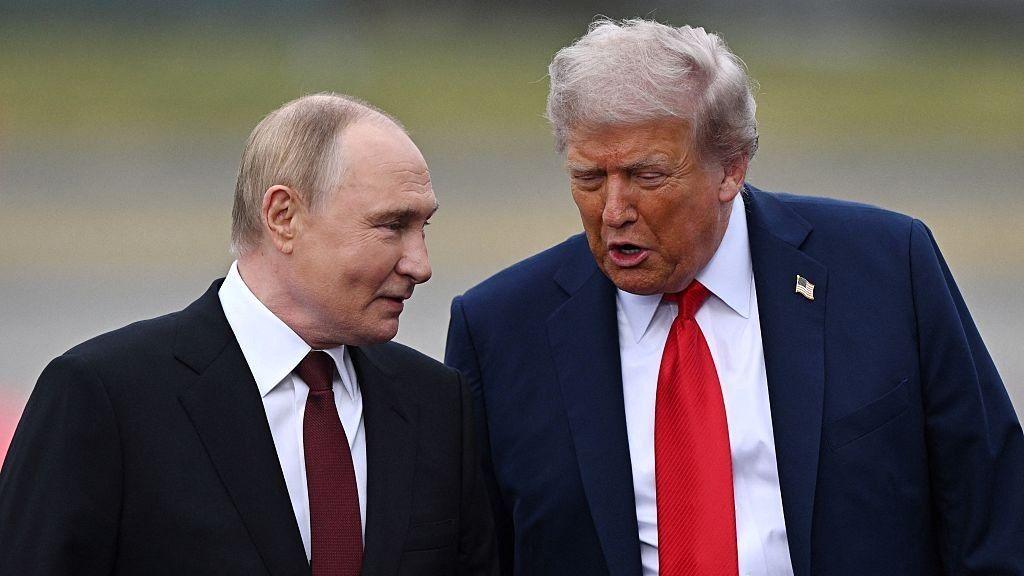
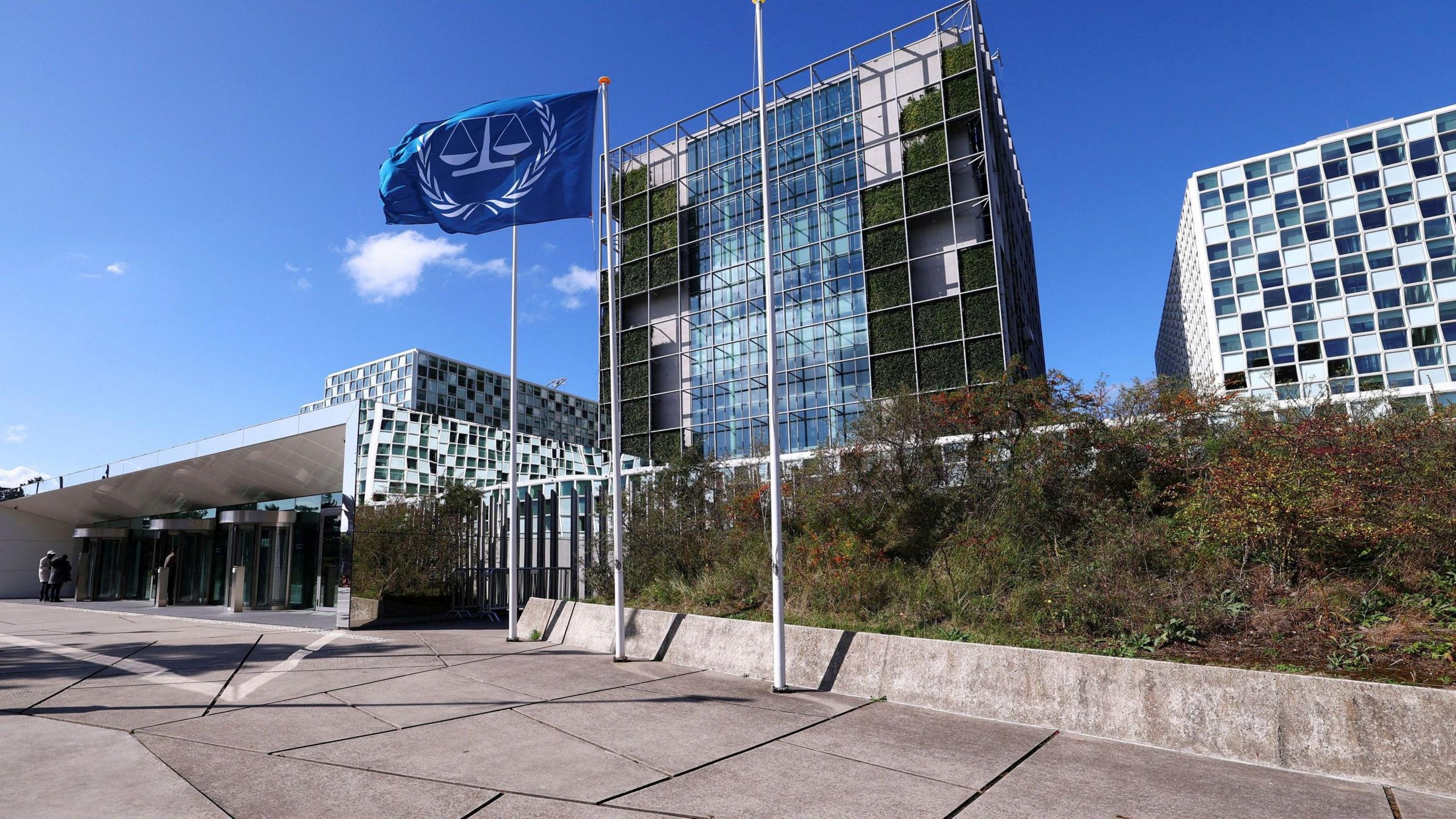
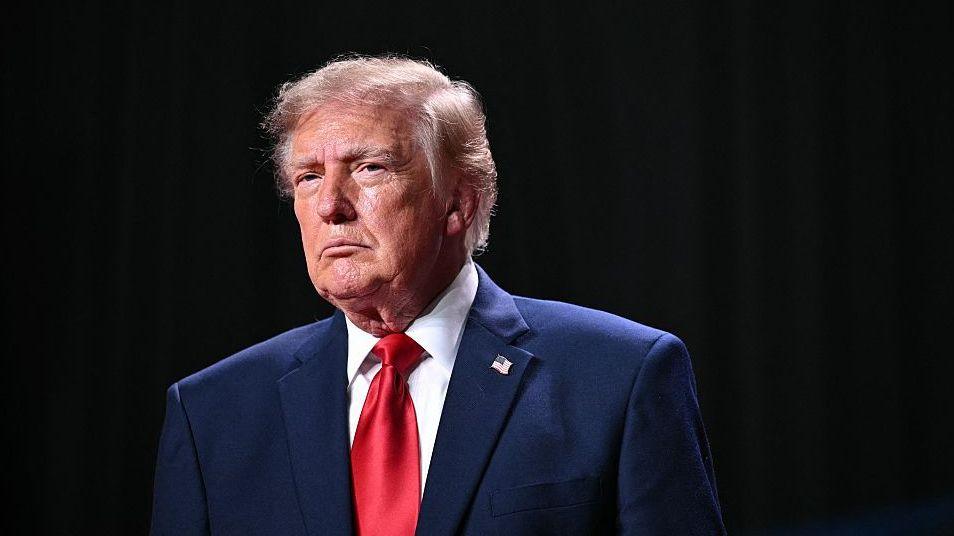
President Donald Trump immediately denounced the decision and, hours later, announced a series of sanctions that, according to the White House, aim to protect American sovereignty. The measures target the ICC institution itself, restricting transactions with U.S. entities and aiming to blunt its financial operations.
State agencies in the U.K., Canada, Germany, France and several other countries have disapproved of the U.S. move, describing it as a threat to international criminal justice. The United Nations, through Secretary‑General António Guterres, called the sanctions a 'serious blow' to collective efforts for global rule of law.
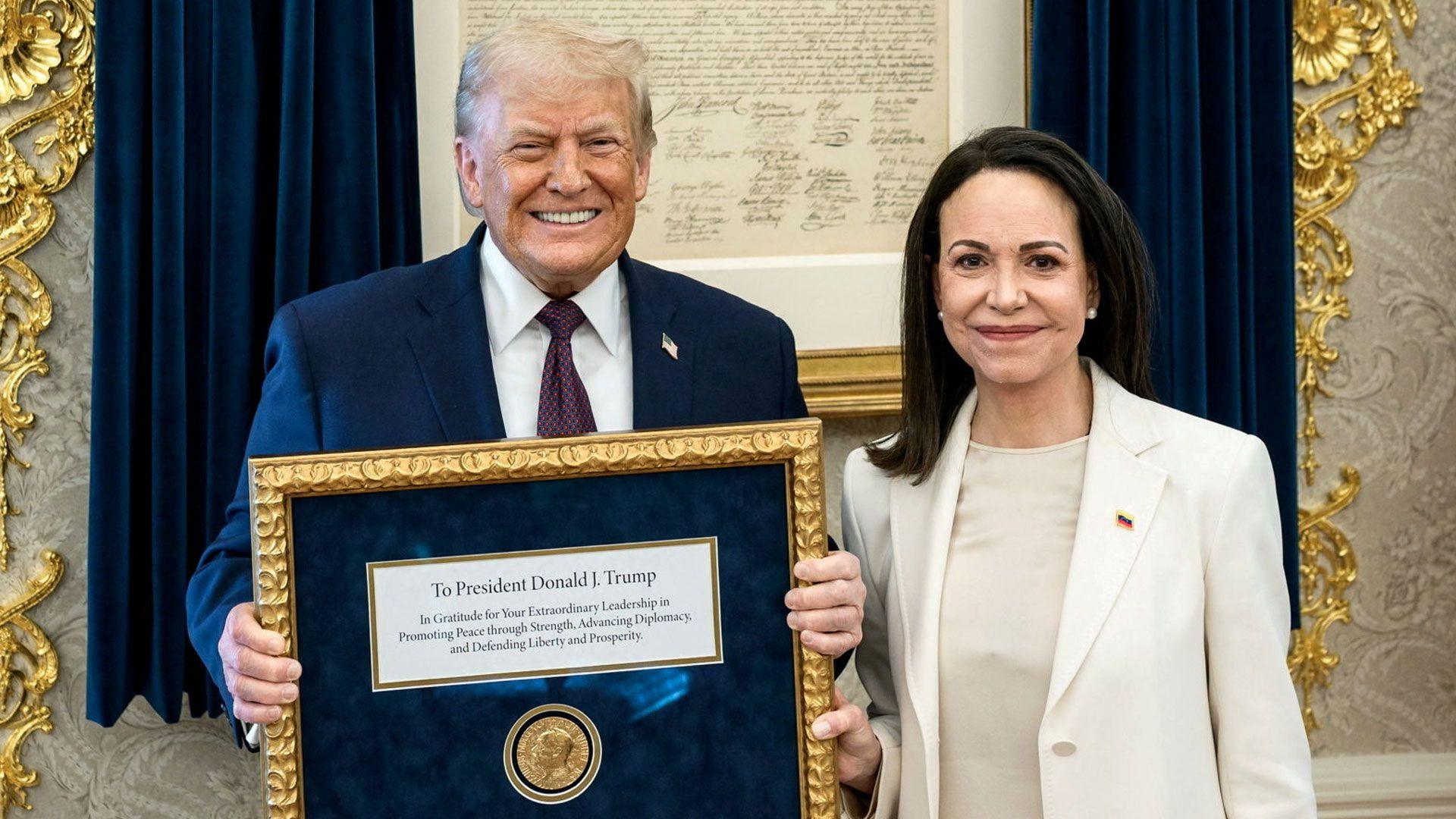
Pillay, who joked that she may share the prize with Trump if the applause is louder, remains a vocal advocate for human‑rights enforcement worldwide. The latest clash underscores the fragile balance between national interests and multilateral institutions willing to hold powerful actors to account.