In brief
Satellite imagery shows crude oil from a tanker struck near the Strait of Hormuz has spread over 35 km along the UAE coastline, forcing beach closures in Umm Al Quwain. The vessel, identified as the Panama‑flagged Gem‑No. 2, was damaged by an unknown projectile on 9 October. UAE authorities launched containment measures, but environmental scientists warn that the spill could affect biodiversity hotspots, including the Key Biodiversity Area around Siniyah and Khor Al Beidah islands. The incident takes place amid a broader escalation in shipping‑lane attacks between Iranian and U.S. interests, highlighting the geopolitical volatility of the region’s oil trade routes.
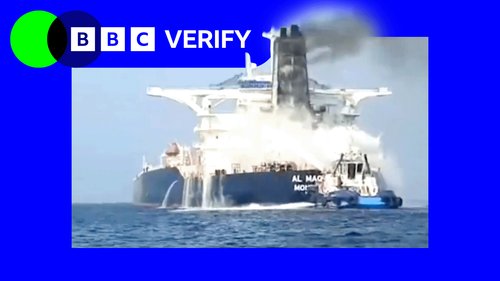
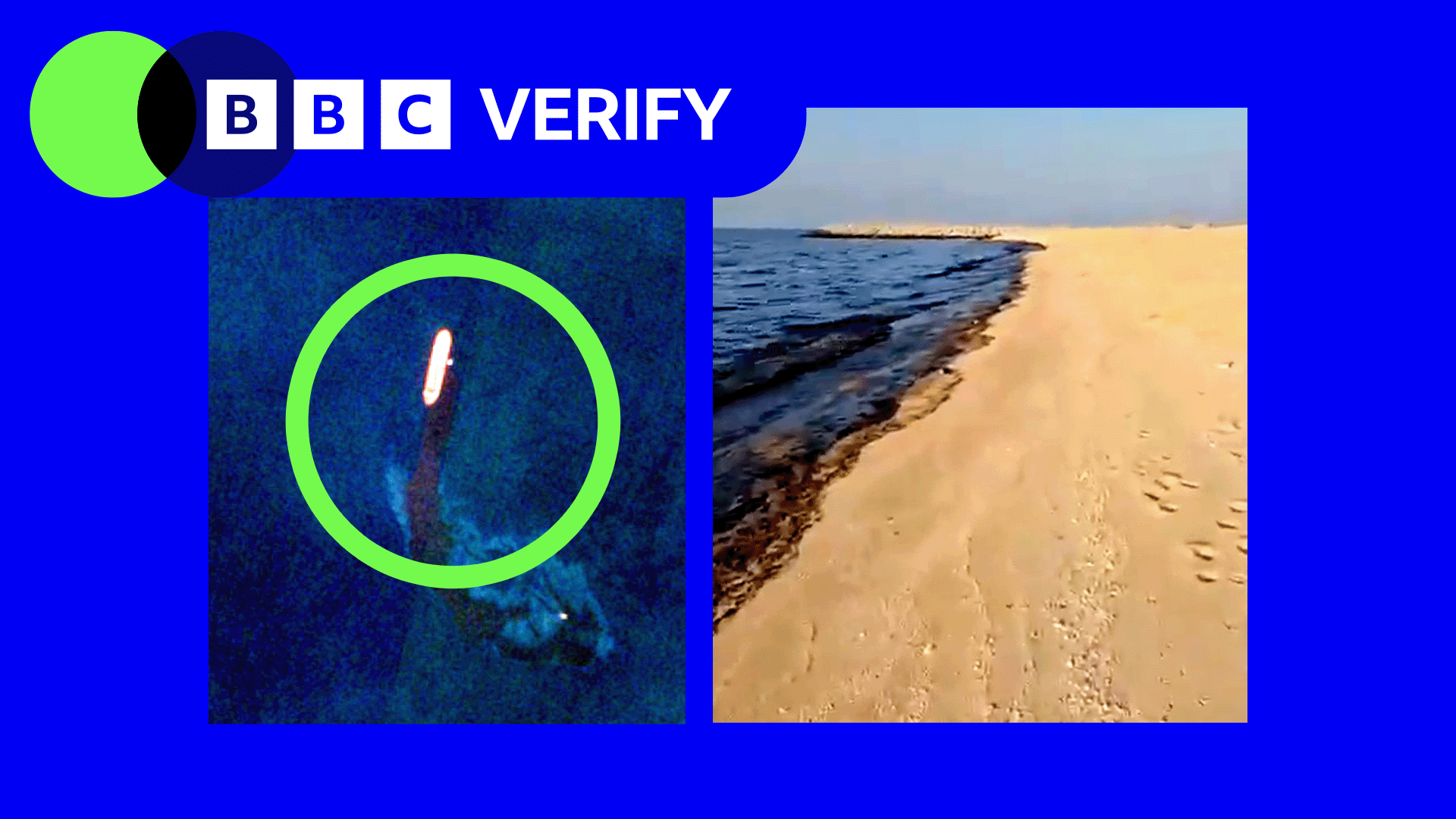
Satellite images released by the European Space Agency show a dark plume of crude oil spreading more than 35 km (22 mi) from a tanker damaged near the Strait of Hormuz on 9 October. The ship, identified by maritime analysts as the Panama‑flagged gem‑No. 2, was hit by an unidentified projectile, caused a fire, and subsequently leaked oil into the Gulf of Oman.
The UAE Ministry of Climate Change and Environment announced on Thursday that containment operations had begun as the slick reached the coast near the northern emirate of Umm Al Quwain, and video footage shows blackened water washing ashore and dark patches forming on the sandy beach.
"Immediate containment is crucial to limit environmental impacts," the ministry said, echoing concerns from marine scientists who note that oil can kill marine life through smothering, trapping and toxic exposure. While the full scale of the damage is still uncertain, the spill reaches key biodiversity areas that host coral reefs, seagrasses, saltmarshes and endangered species such as green turtles and the critically endangered Halavi guitarfish.
Health and environmental officials have warned that the spill’s long‑term effects will depend on the volume and type of oil, how fast it degrades and the effectiveness of clean‑up measures. Prof. Steve Widdicombe of Sharjah Marine Science Research Centre said it is inevitable that the spill will impact marine ecosystems, but it is too early to quantify the damage completely.
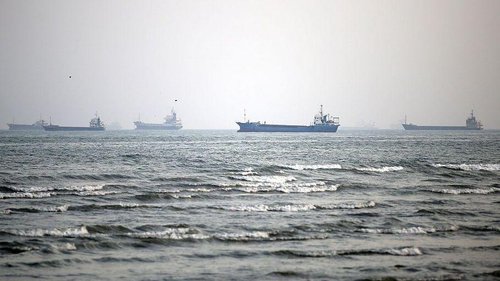
The incident is part of a broader pattern of tanker attacks in the Strait of Hormuz. In early October, Iran’s state media released footage of a burning vessel that matched the description of the gem‑No. 2. The 22‑member Indian crew were rescued and reported safe by the Indian consulate in Dubai. Security experts say Iran is using such attacks to assert control over the strait, countering recent U.S. military escort operations that have allowed more vessels through the corridor.
Earlier in the summer, a large oil slick contaminated the coast of Iran’s Qeshm Island, posing similar threats to wildlife, protected ecosystems and local fishing communities. The current spill adds another layer of concern to a region where maritime commerce and geopolitical tensions intersect.
Environmental NGOs and local authorities are monitoring the spill’s progression via satellite and on‑the‑ground assessments. Meanwhile, UAE beachgoers are advised to avoid affected shorelines until the situation is fully contained and the waters have been tested for safety.