Operation Absolute Resolve: The Controversial US Mission that Captured Maduro
In a covert operation dubbed Operation Absolute Resolve, US military forces meticulously planned the capture of Nicolás Maduro, the Venezuelan President, known for his governance characterized by widespread criticism. For months, US intelligence had closely tracked his activities, including having a source embedded within his government. This meticulous surveillance paved the way for a military intervention that Congress had not been informed about, raised eyebrows regarding legality, and highlighted the intersection of military might with international norms.
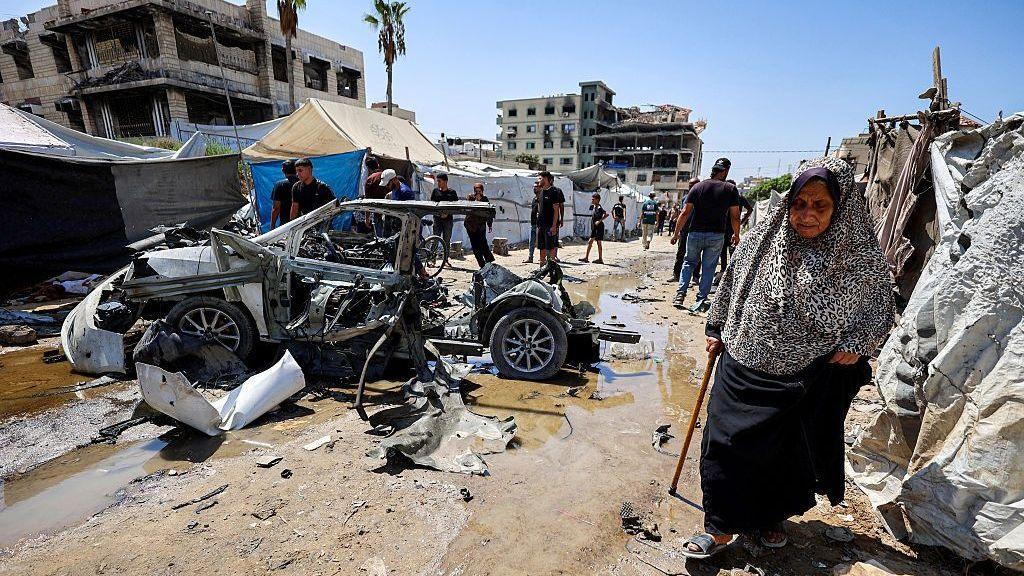
The mission was initiated with an air campaign that involved over 150 aircraft in a display of modern military capabilities. As operations unfolded, explosions rocked Caracas leading to chaotic scenes described by local witnesses. Meanwhile, the operation inside Maduro's compound was quick and decisive, showcasing the capabilities of elite US forces. However, the choice to proceed without congressional oversight has sparked debate across political lines in the US, fueling concerns about the implications for future executive military actions.
General Dan Caine characterized it as an unprecedented military operation, emphasizing the scale and planning involved—a reflection of rising US tensions with Venezuela. While the immediate capture may be seen as a tactical win, the broader repercussions for US-Latin American relations and international law remain to be seen. The case promises to be a defining feature of the ongoing discussion regarding US intervention in foreign sovereign matters.
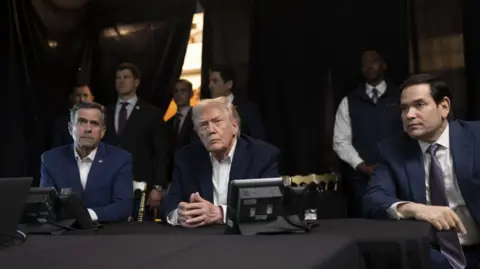
Good luck and godspeed
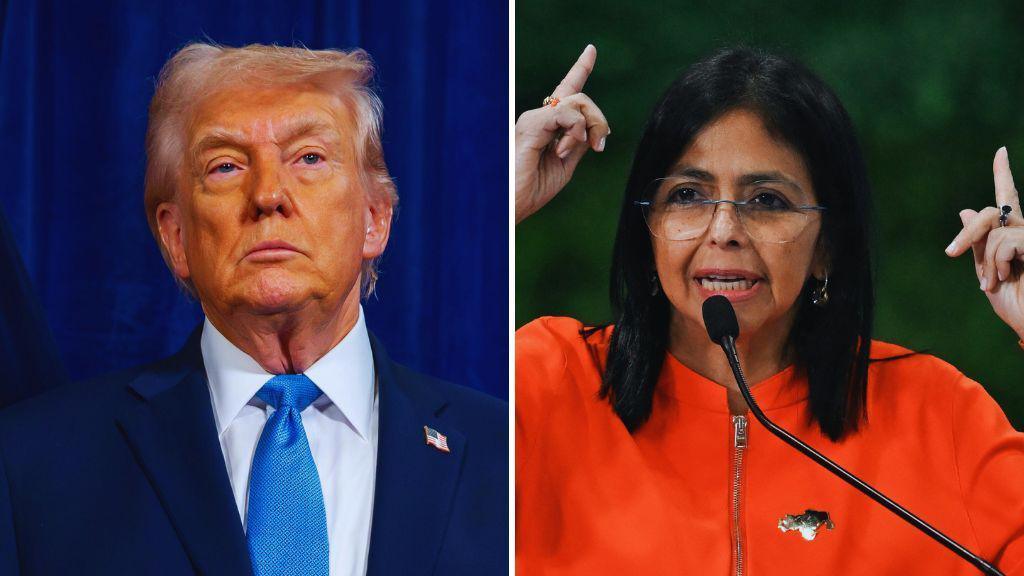
The directive for the mission, exemplified by the phrase good luck and godspeed from President Trump, raises questions about the extent of presidential power in such critical military actions without legislative approval. Critics argue that such acts set a dangerous precedent for unilateral military interventions.
As the world reflects on these events, the ramifications of the operation underscore the ongoing geopolitical wrestle between the US and authoritarian regimes in Latin America, leaving future engagements uncertain as the international community grapples with the implications of this unprecedented military action.