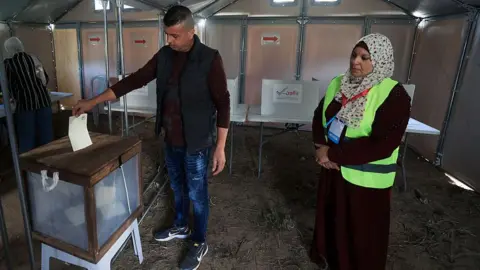
Palestinians are voting in local elections on Saturday, including the first poll of any kind to be held in Gaza since 2006. Elections are occurring across the occupied West Bank and in Deir al-Balah in central Gaza, where Hamas governs.
Hamas was not allowed to stand in the election, and several other factions have boycotted it over a requirement for candidates to recognize the authority of the Palestinian Liberation Organisation (PLO). This organization, dominated by the Fatah party led by President Mahmoud Abbas, governs areas of the West Bank not under Israeli control.
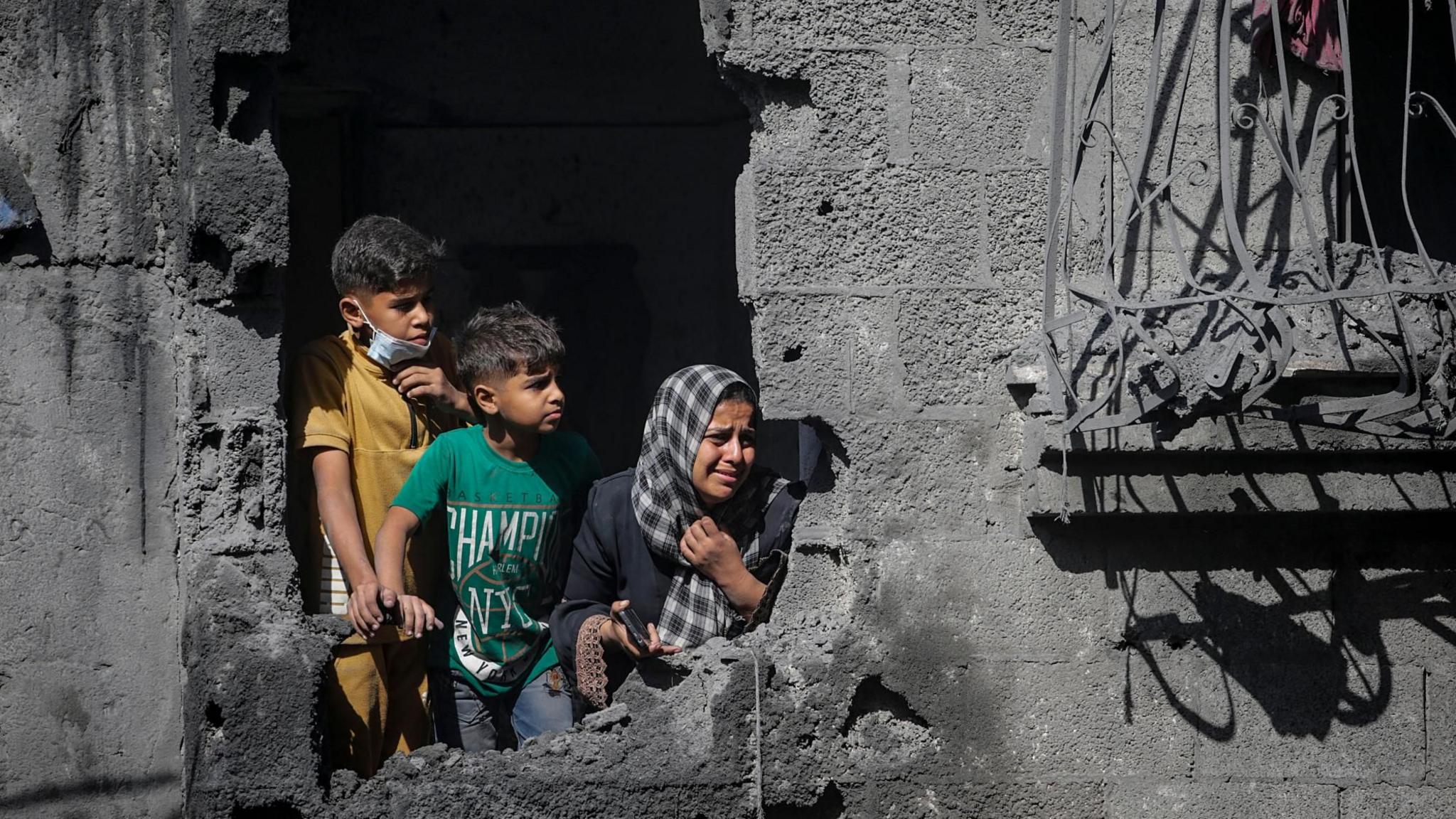
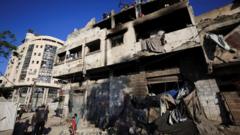
The last elections held in Gaza were interrupted by Hamas's violent takeover from Fatah in 2007. Despite this backdrop, there were reports that one slate of candidates in Deir al-Balah aligned themselves closely with Hamas. The selection of Deir al-Balah for the elections was strategic, as it faced less destruction compared to other areas in the recent conflict.
The ongoing involvement of Hamas forces was noticeable, as their police secured polling stations. More than one million voters are eligible across the Palestinian territories, which includes approximately 70,000 in Deir al-Balah alone, where 12 polling stations were set up. Voting commenced at 07:00 local time and is expected to conclude at 19:00 local time, with results anticipated late Saturday or Sunday.
The election process has revealed a diminished field due to opposition from multiple groups to election laws stipulating that candidates must recognize the PLO as the legitimate representative of Palestinians. This has resulted in the control of multiple councils being decided without a vote.
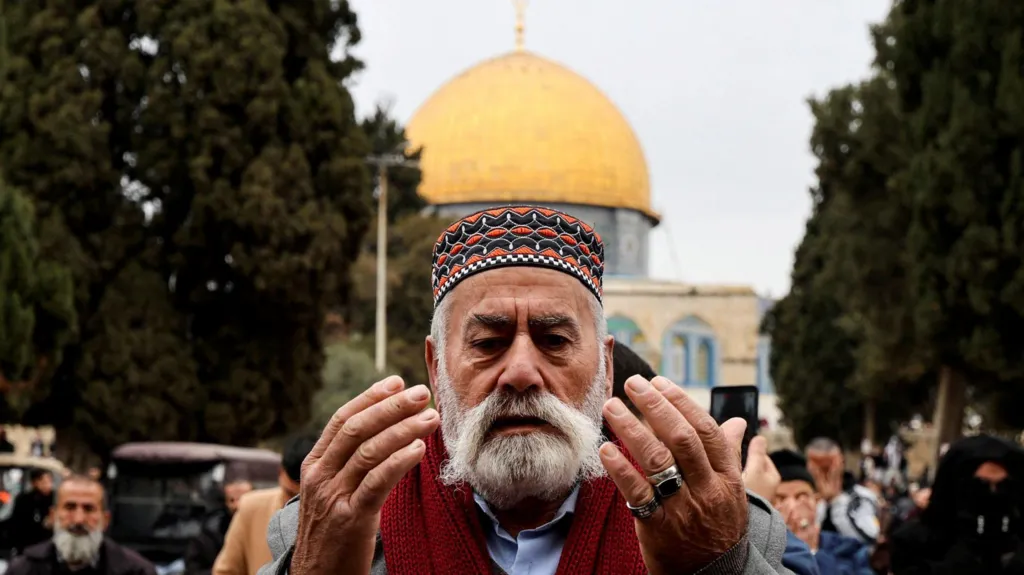
As the political divide between Fatah and Hamas remains deep, the elections present a delicate opportunity for Palestinians to assert their democratic rights at a challenging time. While some view these elections as a sign of resilience, others maintain skepticism over their significance amidst the overarching Israeli occupation.
Statements from citizens highlight a mix of hope and despair. Mohammed al-Hasayna from Deir al-Balah expressed a desire for recovery and rebuilding post-conflict, while Mahmud Bader from Tulkarem doubts the elections will lead to real change under current conditions.