In brief
The Panama Canal Authority announced that the number of ships passing through the canal will drop from 36 to 32 each day, beginning 15 September, to conserve water amid a strong El Niño climate event. The change aims to maintain reliable service while protecting local water supplies. The canal, a critical link between the Atlantic and Pacific oceans, handles about 14,000 vessels annually and generates roughly $3 billion for Panama. Earlier this year the authority already reduced traffic during a drought, and further water‑saving measures will be phased in from 3 September. The adjustment coincides with disruptions in the Strait of Hormuz due to recent tensions in Iran, underscoring the broader ripple effects on international shipping routes.
By Peter Hoskins, Business reporter
21 August 2026, 07:46 BST
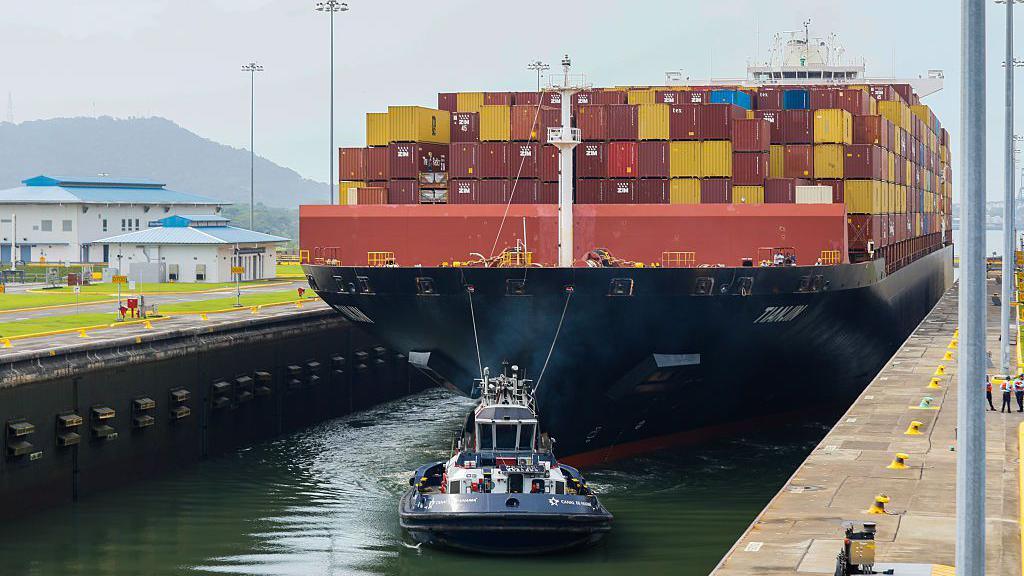
The Panama Canal Authority (ACP) has announced that the number of vessels that can transit the canal will be reduced from 36 to 32 per day, starting 15 September. The move is a response to the current El Niño weather pattern, which has led to unusually low rainfall in Panama and forecasts for a sustained drought.
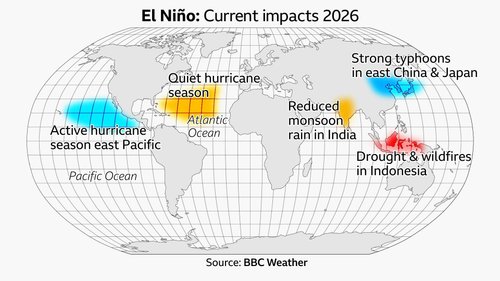
El Niño is a natural sea‑surface temperature cycle that can dramatically alter weather patterns worldwide. 2026 is expected to see one of the strongest cycles recorded, compounded by long‑term climate change. The resulting dryness places pressure on the canal’s water supply—a vital resource for both shipping operations and local communities.
Shipping firms have already been coping with disruptions caused by the ongoing Iran war, which has sharply cut throughput in the Strait of Hormuz. Adding the Panama adjustment highlights how geopolitical and environmental factors are converging to reshape global shipping routes.
The ACP stated that the reduction in vessel traffic is necessary to preserve “service reliability” and safeguard water resources for human consumption. While the rainy season has begun in Central America and some water‑saving measures are already in place, the authority said that further action is required to support the long‑term sustainability of canal operations.
Implementing the new quota will be phased in from 3 September as the canal continues to operate 24 hours a day, 365 days a year. About 14,000 ships use the canal each year, and its efficient route cuts thousands of kilometres of travel between the Atlantic and Pacific oceans.
In addition to the economic impact, the canal is a major source of revenue for Panama, contributing roughly $3 billion (£2.2 bn) annually to the country's economy. The recent reduction in traffic during the last El Niño period in 2023 followed Panama’s driest October on record since 1950.
Earlier this year, the ACP introduced measures to reduce water usage throughout the canal. 2026’s forecasted El Niño is predicted to be one of the strongest on record, potentially disrupting weather, food supplies, and economies worldwide.