In brief
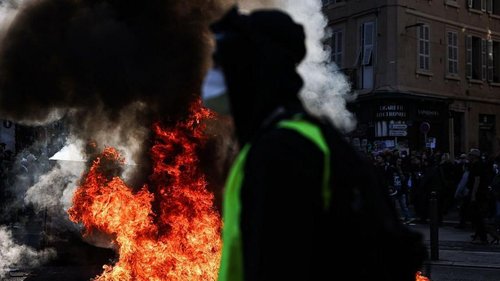
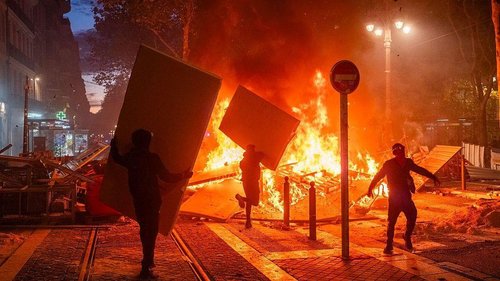
When 550,000 protestors took to the streets of Paris in a nationwide demonstration against rising fuel prices, the cost of living and public services, the day quickly turned into a wave of vandalism and looting. Buildings were set on fire, cars were torched, designer shopfronts shattered and looters scoured retail outlets. Police arrested roughly 1,800 people and suffered 150 injuries, while the Interior Minister called the incidents “targeted acts of violence.” The government has pledged a crackdown and called for an immediate restoration of order, while student groups insist the unrest reflects deeper systemic grievances.
Paris riots turn dark as protesters vandalise streets and businesses
France awoke on Sunday to a scene of shock: traffic stopped by burnt-out cars, shattered glass littering the boulevards, and storefronts left in ruin. The day’s events – sparked by a nationwide protest against fuel price hikes, the high cost of living and deteriorating public services – escalated into a wave of rioting that spilled over from Paris to Marseille and Lille.
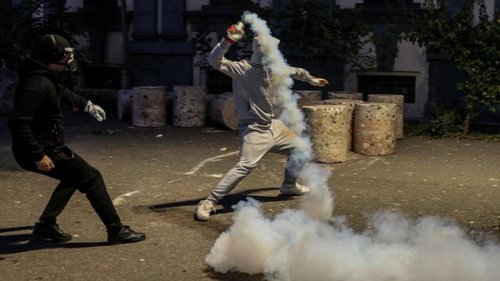
Police arrested around 1,800 people after the 550,000 demonstrators had been largely peaceful for most of the day. The large crowds, while generally peaceful, featured some masked and black‑clad groups who turned to arson and vandalism. The Premier Minister reported 150 officers injured in the chaos.
The motivations cited by protestors were sharply focused: an urgent call for higher wages, better infrastructure, reduced fuel costs and quality public schools. Yet the rioters’ actions were, in many places, a stark departure from the protest’s stated goals.
Armed with gasoline cans, fire‑crackers and homemade explosives, groups in central Paris torched vehicles and set fire to buildings. A McDonald’s front in Lille burned to the ground, while an Apple store was broken into and looted. The interior of a Parisian restaurant was gutted by flames, and polyester displays, furniture and clothing were scattered in the street.
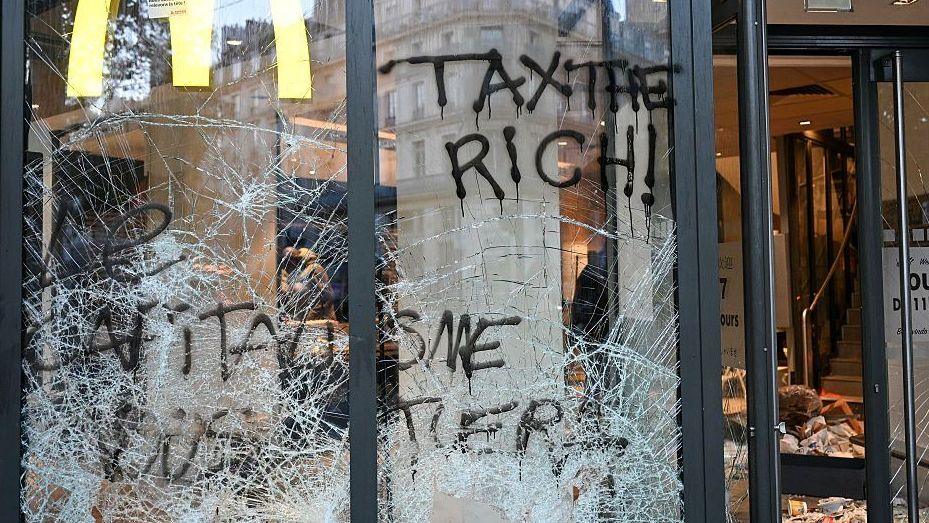
In Marseille, looters breached the city hall, using a metal fence as a battering ram. In Lille, a churro‑shop front was painted with “tax the rich” and “eat the rich.” Many designer stores – including Ralph Lauren, Gucci and Versace – suffered shattered glass and graffiti.
A Paris shopkeeper who endured a 90‑minute raid told national broadcasters that the looters were not “real protesters.” CCTV footage confirmed that masked teenagers in a mobile‑phone shop had taken what they could find and fled before police arrived.
Student protests have added another layer to the national unrest. Since late last month, thousands of students have stageled for more funding for schools amid a shortage of teachers and deteriorating facilities. The burning of Lyon’s tourist office was a stark symbol of the intensity of the fight for education, while a fire at Limoges town hall collapsed a portion of the historic building.
The Interior Ministry described the incidents as “targeted acts of violence” by hooded individuals in several French cities including Toulouse, Rennes, Angers, Grenoble, Avignon, Pau and Valence.
Government Response
Prime Minister Sébastien Lecornu announced a coordinated effort to restore safety, including increased police presence and investigations into the events. He warned that violence “sells a false image of France” to the world and asked the Ministry of Interior to prosecute those who broke the law.
The state has also pledged to address the root causes of the unrest: boosting the public sector wage‑scale, investing in school infrastructure and reviewing fuel taxation policy. However, critics argue that the government’s reply has been too late and that a deeper reform is required.
Meanwhile, the National Assembly has scheduled debates on the cost‑of‑living crisis and school funding in the coming weeks.