In brief
Nine days of relentless downpour turned a Manila river into a ragged dumping ground, forcing workers to wade through litter left by flooding. The storm, a spillover of tropical cyclones, dumped more rain than some areas received in a full month, closing schools and offices across Luzon. At least 16 people died from floods, landslides and accidents in the northern Philippines. Authorities and volunteers combed the water, collecting plastic, metal and other refuse to avert further environmental damage. The incident underscores the growing impact of climate extremes and the pressing need for better waste management.
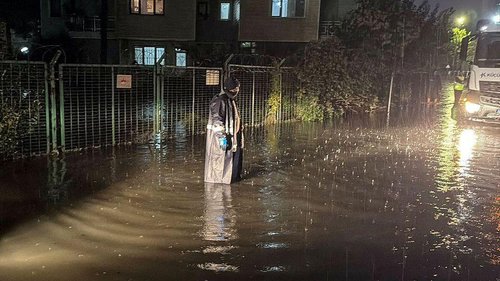
In Manila, workers waded through a tributary of the Pasig River, sweeping up bags of plastic, broken glass, and abandoned metal that had been thrown in during a nine‑day rainstorm that slammed the city with more rainfall than some areas experienced in an entire month.
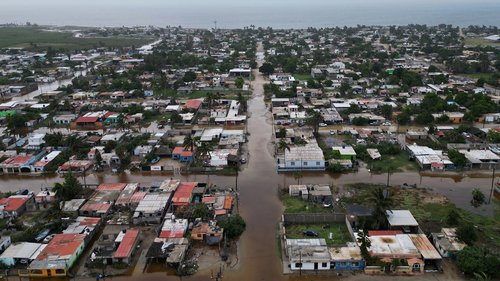
The deluge, amplified by tropical cyclones, spilled into the main island of Luzon, shutting schools and government offices as the waters rose and flooded rooftops and streets. Local officials warned that the river’s capacity was exceeded, turning the waterway into a lethal hazard that would carry debris further downstream.
Rescue teams report at least 16 fatalities across the northern Philippines in the aftermath of the event, citing death by drowning, landslides and traffic accidents triggered by the heavy rainfall.
Amid this crisis, clean‑up crews—many of them volunteers from NGOs and local communities—took to the river in protective gear, hauling litter into trash containers that were then transported to municipal waste sites. The operation spanned several days, aimed at restoring the waterways and preventing further environmental harm.
Experts note that repeated extreme weather events are a growing threat to the country’s infrastructure and ecosystems. “We’re seeing a pattern where climate change drives more frequent, more intense storms, which in turn expose and worsen legacy problems like unsystematic waste disposal,” said Dr. Liza Martinez, a climate scientist at the University of the Philippines.
The incident also spotlights attempts at governmental and civil initiatives aimed at reducing plastic pollution, such as the Philippines’ National Action Plan on Climate Change, which calls for increased public awareness, stricter enforcement of waste segregation laws, and better waste collection systems. Yet enforcement remains patchy, especially outside major urban centres.
As the river waters settle, local residents are urged to stay alert for rising water levels at night and to report any hazardous waste they encounter near waterways. Municipalities are conducting follow‑up surveys to gauge the extent of environmental damage and to strategize flood‑resilient infrastructure upgrades for the future.